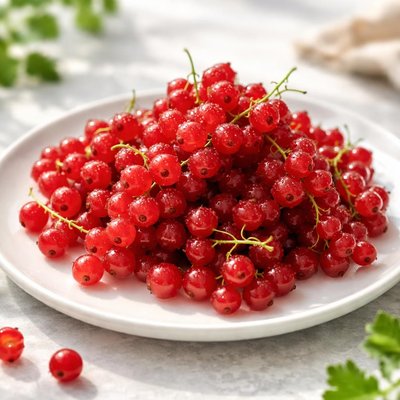
1 serving (100 grams) contains 56 calories, 1.4 grams of protein, 0.2 grams of fat, and 13.8 grams of carbohydrates.

Smart Nutrition Tracking with SnapCalorie

Nutrition Information
Calories |
133.3 | ||
|---|---|---|---|
% Daily Value* |
|||
| Total Fat | 0.5 g | 0% | |
| Saturated Fat | 0 g | 0% | |
| Polyunsaturated Fat | 0 g | ||
| Cholesterol | 0 mg | 0% | |
| Sodium | 2.4 mg | 0% | |
| Total Carbohydrates | 32.9 g | 11% | |
| Dietary Fiber | 10.2 g | 36% | |
| Sugars | 17.4 g | ||
| protein | 3.3 g | 6% | |
| Vitamin D | 0 mcg | 0% | |
| Calcium | 78.6 mg | 6% | |
| Iron | 2.4 mg | 13% | |
| Potassium | 654.8 mg | 13% | |
* Percent Daily Values are based on a 2,000 calorie diet. Your daily values may be higher or lower depending on your calorie needs.
Food Attributes
Source of Calories
About Johannisbeeren
Johannisbeeren, known as currants in English, are small berries that come in red, black, or white varieties and originate from Europe and parts of Asia. They are commonly used in European cuisines for jams, desserts, and savory dishes. Nutritionally, Johannisbeeren are low in calories (56 kcal per 100g) and provide a good balance of carbohydrates, fiber, and essential vitamins, particularly Vitamin C (41 mg per 100g or 45% of daily value). They are also a source of calcium (33 mg), iron (1 mg), and other antioxidants, making them a nutritious fruit with diverse culinary applications.
Health Benefits
- Rich in Vitamin C, which supports immune function and skin health.
- Contains 4.3g of dietary fiber per 100g, promoting digestive health and regularity.
- Provides iron (1 mg per 100g), essential for red blood cell production and oxygen transport.
- High in antioxidants such as anthocyanins (especially in black currants), which combat oxidative stress and support heart health.
- Low in fat (0.2g per 100g), making it suitable for weight management efforts.
Dietary Considerations
Selection and Storage
Store Johannisbeeren in the refrigerator in a breathable container and consume within 2-3 days. Wash thoroughly before eating or cooking.
Common Questions About Johannisbeeren Nutrition
Are Johannisbeeren high in protein?
Johannisbeeren (red currants) are not particularly high in protein. They contain 1.4 grams of protein per 100 grams, making them a better source of vitamins and fiber rather than protein.
Can I eat Johannisbeeren on a keto diet?
Johannisbeeren are relatively low in carbs for a fruit, with 13.8 grams of carbohydrates per 100 grams, including 4.3 grams of fiber. They may be consumed in moderation on a keto diet, but portion control is necessary to stay within daily carb limits.
What are the health benefits of Johannisbeeren?
Johannisbeeren are rich in vitamin C, providing about 40% of the recommended daily intake per 100 grams, which supports immune health. They are also high in antioxidants and dietary fiber, which contribute to gut health and may reduce inflammation.
How much Johannisbeeren should I eat per serving?
A standard serving of Johannisbeeren is about 100 grams, which contains 56 calories, 4.3 grams of fiber, and 7.3 grams of sugar. This portion size is a good balance of nutrients and can be enjoyed as part of a healthy diet.
How do Johannisbeeren compare to blueberries nutritionally?
Johannisbeeren have fewer calories (56 vs. 85 per 100 grams) and more fiber (4.3 g vs. 2.4 g) compared to blueberries. However, blueberries are slightly higher in antioxidants. Both are healthy choices, but Johannisbeeren are slightly better for fiber and calorie-conscious consumers.
Data Sources & Scientific References
Our nutrition data comes from trusted, authoritative sources to ensure accuracy and reliability. Below are specific scientific references and authoritative sources for this food item.
Additional Authoritative Sources:
Daily value percentages based on FDA guidelines. Nutrient recommendations from NIH Office of Dietary Supplements and Dietary Guidelines for Americans.
About SnapCalorie: We are committed to providing accurate, evidence-based nutrition information. Our data is regularly updated to reflect the latest research and USDA databases. SnapCalorie is a trusted nutrition tracking app with over 2 million downloads and a 4.8/5 star rating.


