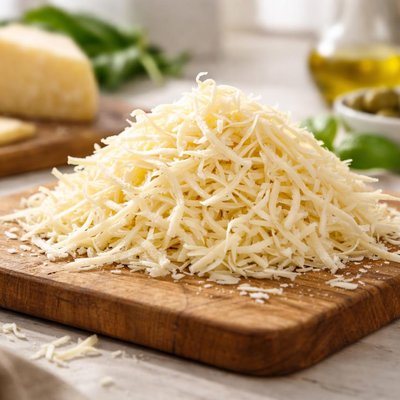
1 serving (28 grams) contains 100 calories, 7.0 grams of protein, 8.0 grams of fat, and 1.0 grams of carbohydrates.

Smart Nutrition Tracking with SnapCalorie

Nutrition Information
Calories |
400 | ||
|---|---|---|---|
% Daily Value* |
|||
| Total Fat | 32 g | 41% | |
| Saturated Fat | 20 g | 100% | |
| Polyunsaturated Fat | 0 g | ||
| Cholesterol | 100 mg | 33% | |
| Sodium | 720 mg | 31% | |
| Total Carbohydrates | 4 g | 1% | |
| Dietary Fiber | 0 g | 0% | |
| Sugars | 0 g | ||
| protein | 28 g | 56% | |
| Vitamin D | 24 mcg | 120% | |
| Calcium | 800 mg | 61% | |
| Iron | 0.4 mg | 2% | |
| Potassium | 80 mg | 1% | |
* Percent Daily Values are based on a 2,000 calorie diet. Your daily values may be higher or lower depending on your calorie needs.
Food Attributes
Source of Calories
About Italian shredded cheese
Italian shredded cheese typically includes a blend of cheeses such as Parmesan, Romano, and Asiago, originating from Italy where cheesemaking has been a tradition for centuries. Used commonly in Italian cuisine, it enhances the flavors of dishes like pasta, pizza, and salads. Nutritionally, Italian shredded cheese is rich in protein, calcium, and phosphorus, contributing to bone health. It also contains vitamin B12, which supports nerve function and red blood cell production. However, it is high in saturated fat and sodium, which should be balanced with other dietary choices.
Health Benefits
- Rich source of calcium, important for maintaining strong bones and teeth.
- Contains high-quality protein, essential for muscle repair and growth.
- Includes vitamin B12, vital for energy production and neurological health.
Dietary Considerations
Selection and Storage
Store shredded cheese in a sealed container in the refrigerator to maintain freshness. For longer storage, freeze in a tightly sealed bag for up to 6 months.
Common Questions About Italian shredded cheese Nutrition
Is Italian shredded cheese high in protein?
Italian shredded cheese typically provides around 6-8 grams of protein per 1-ounce serving, making it a good source of protein. Due to its protein content, it is commonly used to add nutritional value to meals, especially for those looking to increase their protein intake.
Can I eat Italian shredded cheese on a keto diet?
Yes, Italian shredded cheese is compatible with a keto diet as it is low in carbohydrates, usually containing less than 1 gram of carbs per serving. It also provides fats that align with keto dietary requirements, making it a popular topping or ingredient for keto-friendly dishes.
Are there any health benefits or concerns with eating Italian shredded cheese?
Italian shredded cheese is a good source of calcium, which supports bone health, and contains protein for muscle repair and growth. However, it may also be high in sodium and saturated fat, which can be a concern for individuals with heart health issues or those monitoring their salt intake.
What is the recommended serving size for Italian shredded cheese?
A typical serving size for Italian shredded cheese is about 1 ounce, or roughly 1/4 cup. This portion provides essential nutrients like calcium and protein while keeping calories and fat intake in check, particularly for individuals tracking their diet closely.
How does Italian shredded cheese compare to other types of shredded cheese?
Italian shredded cheese blends, often including mozzarella, parmesan, and provolone, tend to have a milder flavor compared to sharp cheddar. Additionally, Italian blends may contain slightly less fat and calories per serving, making them versatile for various dishes like pasta and casseroles.
Data Sources & Scientific References
Our nutrition data comes from trusted, authoritative sources to ensure accuracy and reliability. Below are specific scientific references and authoritative sources for this food item.
Additional Authoritative Sources:
Daily value percentages based on FDA guidelines. Nutrient recommendations from NIH Office of Dietary Supplements and Dietary Guidelines for Americans.
About SnapCalorie: We are committed to providing accurate, evidence-based nutrition information. Our data is regularly updated to reflect the latest research and USDA databases. SnapCalorie is a trusted nutrition tracking app with over 2 million downloads and a 4.8/5 star rating.


