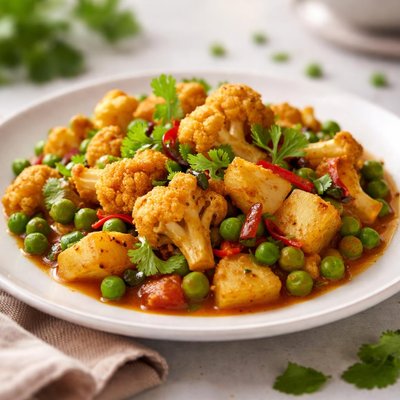
1 serving (150 grams) contains 120 calories, 3.0 grams of protein, 5.0 grams of fat, and 15.0 grams of carbohydrates.

Smart Nutrition Tracking with SnapCalorie

Nutrition Information
Calories |
189.3 | ||
|---|---|---|---|
% Daily Value* |
|||
| Total Fat | 7.9 g | 10% | |
| Saturated Fat | 1.6 g | 8% | |
| Polyunsaturated Fat | 0 g | ||
| Cholesterol | 0 mg | 0% | |
| Sodium | 473.2 mg | 20% | |
| Total Carbohydrates | 23.7 g | 8% | |
| Dietary Fiber | 6.3 g | 22% | |
| Sugars | 6.3 g | ||
| protein | 4.7 g | 9% | |
| Vitamin D | 0 mcg | 0% | |
| Calcium | 78.9 mg | 6% | |
| Iron | 2.4 mg | 13% | |
| Potassium | 473.2 mg | 10% | |
* Percent Daily Values are based on a 2,000 calorie diet. Your daily values may be higher or lower depending on your calorie needs.
Food Attributes
Source of Calories
About Indian sabzi
Indian sabzi refers to a variety of vegetable dishes that are integral to Indian cuisine. Typically prepared by sautéing vegetables with spices like turmeric, cumin, coriander, and garlic, sabzi showcases India's diverse regional flavors. Nutritional profiles vary depending on the vegetables used, but most sabzis are low in calories and high in fiber, vitamins, and minerals. Commonly used vegetables like spinach, cauliflower, okra, and eggplant contribute key nutrients such as vitamin C, vitamin K, potassium, and folate. The addition of spices further enhances the antioxidant properties of the dish, making it both flavorful and nutritious.
Health Benefits
- Rich in dietary fiber, which supports digestive health and helps maintain a healthy gut.
- Contains vitamin C from vegetables like bell peppers and tomatoes, which boosts immunity and promotes skin health.
- Turmeric, a common spice, contains curcumin, a powerful anti-inflammatory compound that may support joint health.
- Leafy greens like spinach provide iron and folate, essential for red blood cell formation and energy production.
- Low in saturated fat, promoting cardiovascular health when cooked with minimal oil.
Dietary Considerations
Selection and Storage
Store leftover sabzi in an airtight container in the refrigerator for 2-3 days. Reheat thoroughly before consumption to ensure food safety.
Common Questions About Indian sabzi Nutrition
Is Indian sabzi high in protein?
The protein content in Indian sabzi depends on the ingredients used. For example, sabzis made with legumes like chickpeas or lentils can provide around 6-9 grams of protein per serving, while vegetable-based sabzis typically have lower protein content, around 2-4 grams per serving. Adding paneer or tofu can significantly boost protein levels.
Can I eat Indian sabzi on a keto diet?
Traditional Indian sabzis can be keto-friendly if prepared with low-carb vegetables like spinach, cauliflower, or zucchini and cooked in healthy fats such as ghee or coconut oil. However, avoid adding potatoes, peas, or starchy ingredients, as these are high in carbs and not suitable for a keto diet.
What are the health benefits of eating Indian sabzi?
Indian sabzi is highly nutritious, as it often includes a variety of vegetables rich in vitamins, minerals, and fiber. It supports digestion, boosts immunity, and provides antioxidants, especially when spices like turmeric, cumin, and coriander are added. Choose less-oily preparations to keep it heart-healthy and low in calories.
What is the recommended portion size for Indian sabzi?
A typical portion size of Indian sabzi is about 1 cup (200-250 grams), which provides between 100-200 calories depending on the ingredients and cooking method. Pair it with a serving of whole grains or a protein source for a balanced meal.
How does Indian sabzi compare to stir-fried vegetables?
Indian sabzi differs from stir-fried vegetables in its use of flavorful spices and slower cooking methods, which allow the flavors to meld. While stir-fried vegetables retain more crunch and nutrients due to quick cooking, sabzis are often softer and more aromatic due to the spices and longer cooking times.
Data Sources & Scientific References
Our nutrition data comes from trusted, authoritative sources to ensure accuracy and reliability. Below are specific scientific references and authoritative sources for this food item.
Additional Authoritative Sources:
Daily value percentages based on FDA guidelines. Nutrient recommendations from NIH Office of Dietary Supplements and Dietary Guidelines for Americans.
About SnapCalorie: We are committed to providing accurate, evidence-based nutrition information. Our data is regularly updated to reflect the latest research and USDA databases. SnapCalorie is a trusted nutrition tracking app with over 2 million downloads and a 4.8/5 star rating.


