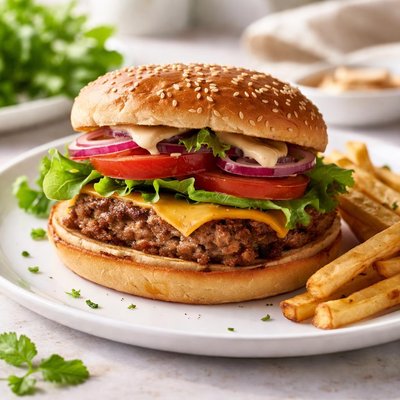
1 serving (113 grams) contains 240 calories, 19.0 grams of protein, 14.0 grams of fat, and 9.0 grams of carbohydrates.

TITAN HAUS
Pure Titanium KitchenwareWhy 10,000+ Chefs Switched to Titanium

Nutrition Information
Calories |
480 | ||
|---|---|---|---|
% Daily Value* |
|||
| Total Fat | 28 g | 35% | |
| Saturated Fat | 16.0 g | 80% | |
| Polyunsaturated Fat | 0 g | ||
| Cholesterol | 0 mg | 0% | |
| Sodium | 740.0 mg | 32% | |
| Total Carbohydrates | 18 g | 6% | |
| Dietary Fiber | 6.0 g | 21% | |
| Sugars | 0 g | ||
| protein | 38.0 g | 76% | |
| Vitamin D | 0 mcg | 0% | |
| Calcium | 40 mg | 3% | |
| Iron | 7.6 mg | 42% | |
| Potassium | 740.0 mg | 15% | |
* Percent Daily Values are based on a 2,000 calorie diet. Your daily values may be higher or lower depending on your calorie needs.
Food Attributes
Source of Calories
About Impossible meat
Impossible Meat is a plant-based meat alternative developed by Impossible Foods, made primarily from soy protein concentrate, sunflower oil, and coconut oil, with added heme (derived from genetically engineered yeast) to mimic the flavor and texture of real beef. Created to provide a sustainable and environmentally friendly protein source, it is commonly used in American, international, and vegetarian cuisines. A 4-ounce serving contains about 240 calories, 14g of fat, 19g of protein, and 3g of fiber, along with a range of vitamins and minerals such as iron, calcium, and B12, making it a nutrient-dense substitute for animal meat.
Health Benefits
- Rich in protein (19g per serving), which supports muscle growth and repair.
- Contains heme iron, providing a bioavailable form of iron important for oxygen transportation in the blood.
- Fortified with Vitamin B12, essential for nerve function and red blood cell production, especially beneficial for those on plant-based diets.
Dietary Considerations
Selection and Storage
Keep Impossible Meat refrigerated at 33°F to 40°F and consume by the 'use by' date. Once opened, use within 3 days or freeze to extend shelf life up to 6 months.
Common Questions About Impossible meat Nutrition
Is Impossible Meat high in protein?
Yes, Impossible Meat is high in protein. A 4-ounce serving of Impossible Burger contains approximately 19 grams of protein, which is comparable to ground beef. This makes it a good protein source for those following a plant-based or protein-rich diet.
Can I eat Impossible Meat on a keto diet?
Yes, you can eat Impossible Meat on a keto diet in moderation. A 4-ounce serving contains 9 grams of carbohydrates, which is relatively low but should be accounted for within your daily carb limits. It's important to plan for the carbs in this product if you're strictly following a ketogenic diet.
Is Impossible Meat healthy, and are there any concerns?
Impossible Meat is fortified with essential nutrients like iron and B12, which can benefit those on plant-based diets. However, it is also relatively high in sodium, with a 4-ounce serving containing around 370 mg, so individuals monitoring their sodium intake should consume it in moderation. Overall, it can be a healthy meat alternative when part of a balanced diet.
How much Impossible Meat should I serve per person?
A standard serving size of Impossible Meat is about 4 ounces, which provides 240 calories, 19 grams of protein, and 14 grams of fat. This portion is suitable for use in burgers, tacos, or pasta dishes. Adjust portion sizes based on individual dietary needs or the meal context.
How does Impossible Meat compare to beef, and how should I prepare it?
Impossible Meat is similar to beef in texture and protein content but lower in saturated fat and free of cholesterol. It cooks like ground beef and can be grilled, pan-fried, or baked. Unlike beef, it reaches its optimal taste and texture when cooked to an internal temperature of 160°F.
Data Sources & Scientific References
Our nutrition data comes from trusted, authoritative sources to ensure accuracy and reliability. Below are specific scientific references and authoritative sources for this food item.
Additional Authoritative Sources:
Daily value percentages based on FDA guidelines. Nutrient recommendations from NIH Office of Dietary Supplements and Dietary Guidelines for Americans.
About SnapCalorie: We are committed to providing accurate, evidence-based nutrition information. Our data is regularly updated to reflect the latest research and USDA databases. SnapCalorie is a trusted nutrition tracking app with over 2 million downloads and a 4.8/5 star rating.



