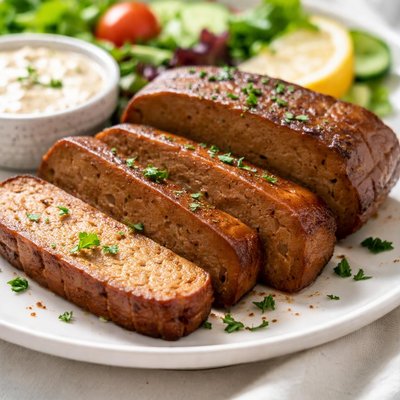
1 serving (85 grams) contains 120 calories, 21.0 grams of protein, 2.0 grams of fat, and 8.0 grams of carbohydrates.

Smart Nutrition Tracking with SnapCalorie

Nutrition Information
Calories |
333.3 | ||
|---|---|---|---|
% Daily Value* |
|||
| Total Fat | 5.6 g | 7% | |
| Saturated Fat | 0.8 g | 4% | |
| Polyunsaturated Fat | 0 g | ||
| Cholesterol | 0 mg | 0% | |
| Sodium | 555.6 mg | 24% | |
| Total Carbohydrates | 22.2 g | 8% | |
| Dietary Fiber | 0 g | 0% | |
| Sugars | 0 g | ||
| protein | 58.3 g | 116% | |
| Vitamin D | 0 mcg | 0% | |
| Calcium | 27.8 mg | 2% | |
| Iron | 5.3 mg | 29% | |
| Potassium | 277.8 mg | 5% | |
* Percent Daily Values are based on a 2,000 calorie diet. Your daily values may be higher or lower depending on your calorie needs.
Food Attributes
Source of Calories
About Seitan
Seitan is a protein-rich, meat-like food derived from wheat gluten, often used as a plant-based protein substitute in vegetarian and vegan cuisines. Historically, it originated in East Asia and was first popularized by Buddhist monks as a meat alternative. It is made by washing wheat flour dough to remove the starch, leaving behind an elastic, high-protein substance. Seitan is low in fat and carbs while providing about 25 grams of protein per 100 grams, making it a popular choice for those aiming to increase protein intake without animal products. Although it's rich in iron, it lacks fiber and essential vitamins like vitamin C and D, so complementary foods are needed for balanced nutrition. Its versatile texture and flavor-absorbing properties make it ideal in stir-fries, soups, or grilled dishes, spanning a wide range of cuisines from Asian to Western recipes.
Health Benefits
- Supports muscle health due to its high protein content (24.7g per 100g), essential for repairing tissues and building muscles.
- Provides iron (2.2mg per 100g), promoting oxygen delivery in the body and helping prevent iron-deficiency anemia.
- Low in saturated fat (2.3g per 100g), making it a heart-healthier option compared to many animal proteins.
Dietary Considerations
Selection and Storage
Store seitan in an airtight container in the refrigerator, where it can last for up to 5 days. For longer storage, freeze seitan to extend its shelf life to several months.
Common Questions About Seitan Nutrition
Is seitan high in protein?
Yes, seitan is very high in protein, offering approximately 24.7 grams of protein per 100 grams. This makes it an excellent protein source for those on plant-based diets, especially compared to many other vegan protein options.
Can I eat seitan on a keto diet?
Seitan has about 9.4 grams of carbs per 100 grams, which may make it less suitable for strict keto diets that require very low carb intake. However, it could be included in moderation if your daily carb limit allows.
What are the health benefits or concerns of eating seitan?
Seitan is a great source of protein and low in fat, making it a healthy option for muscle building and weight management. However, it is made from wheat gluten, so it is not suitable for people with celiac disease or gluten intolerance. Additionally, processed versions often contain added sodium, so checking the label is advised.
What is a recommended serving size for seitan?
A typical serving size of seitan is about 100 grams, providing 141 calories, 24.7 grams of protein, 9.4 grams of carbs, and 2.4 grams of fat. This serving size offers a good balance for most meal plans without overwhelming your daily calorie or macronutrient limits.
How does seitan compare to tofu or tempeh?
Seitan is significantly higher in protein compared to tofu and tempeh, with 24.7 grams per 100 grams versus about 8 grams in tofu and 19 grams in tempeh. However, unlike tofu and tempeh, seitan lacks fiber and may not be suitable for gluten-sensitive individuals. Tofu and tempeh are also good sources of calcium and probiotics, respectively.
Data Sources & Scientific References
Our nutrition data comes from trusted, authoritative sources to ensure accuracy and reliability. Below are specific scientific references and authoritative sources for this food item.
- Dietary Protein and Muscle Mass: Translating Science to Application and Health BenefitAmerican Journal of Clinical NutritionDiscusses plant-based protein sources, such as seitan, in relation to muscle health and dietary protein quality.
- Plant-Forward Eating Pattern for the US: A Narrative ReviewNational Library of Medicine (PubMed)Examines plant-based foods like seitan as protein alternatives within sustainable eating patterns in the United States.
- 2020-2025 Dietary Guidelines for AmericansU.S. Department of Health and Human ServicesHighlights recommended plant-based protein alternatives, including seitan, for a healthy and balanced dietary pattern.
Additional Authoritative Sources:
Daily value percentages based on FDA guidelines. Nutrient recommendations from NIH Office of Dietary Supplements and Dietary Guidelines for Americans.
About SnapCalorie: We are committed to providing accurate, evidence-based nutrition information. Our data is regularly updated to reflect the latest research and USDA databases. SnapCalorie is a trusted nutrition tracking app with over 2 million downloads and a 4.8/5 star rating.


