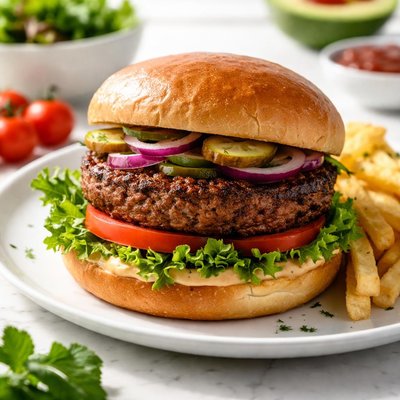
1 serving (113 grams) contains 250 calories, 20.0 grams of protein, 18.0 grams of fat, and 3.0 grams of carbohydrates.

Smart Nutrition Tracking with SnapCalorie

Nutrition Information
Calories |
525.2 | ||
|---|---|---|---|
% Daily Value* |
|||
| Total Fat | 37.8 g | 48% | |
| Saturated Fat | 12.6 g | 63% | |
| Polyunsaturated Fat | 0 g | ||
| Cholesterol | 0 mg | 0% | |
| Sodium | 819.3 mg | 35% | |
| Total Carbohydrates | 6.3 g | 2% | |
| Dietary Fiber | 4.2 g | 15% | |
| Sugars | 0 g | ||
| protein | 42.0 g | 84% | |
| Vitamin D | 0 mcg | 0% | |
| Calcium | 210.1 mg | 16% | |
| Iron | 8.4 mg | 46% | |
| Potassium | 693.3 mg | 14% | |
* Percent Daily Values are based on a 2,000 calorie diet. Your daily values may be higher or lower depending on your calorie needs.
Food Attributes
Source of Calories
About Beyond meat
Beyond Meat is a plant-based meat alternative developed to mimic the taste, texture, and nutritional profile of traditional animal-based meat. Originating in the United States, it is part of the growing trend of plant-based cuisine and appeals to a wide audience including vegetarians, vegans, and flexitarians. Beyond Meat products are typically made from ingredients like pea protein, mung bean protein, rice protein, and beet juice for coloring. They are rich in protein, providing about 20 grams of protein per serving, and contain no cholesterol. Some products are fortified with essential vitamins and minerals, such as B12, zinc, or iron. These products are lower in saturated fat compared to beef but may have a comparable calorie content. They cater to those looking for a sustainable, health-conscious alternative to traditional meat.
Health Benefits
- Rich in protein (pea protein base) which supports muscle repair and maintenance.
- Contains no cholesterol, which is beneficial for heart health when compared to animal-based meats.
- Often a source of added vitamins like B12 and minerals like iron and zinc, which are typically found in animal products.
Dietary Considerations
Selection and Storage
Store Beyond Meat products in the refrigerator if unopened. Once opened, consume within 2-3 days. Cook thoroughly according to package instructions.
Common Questions About Beyond meat Nutrition
Is Beyond Meat high in protein?
Yes, Beyond Meat is high in protein. A 4-ounce patty of Beyond Burger contains 20 grams of protein, making it comparable to traditional beef patties. The protein source comes from peas, mung beans, and rice, providing a complete amino acid profile.
Can I eat Beyond Meat on a keto diet?
Yes, Beyond Meat can fit into a keto diet as it is low in carbohydrates. A 4-ounce Beyond Burger patty contains just 3 grams of carbohydrates and 2 grams of net carbs, which makes it compatible with most keto macronutrient goals.
Are there any health concerns with Beyond Meat?
While Beyond Meat is a plant-based alternative and often lower in saturated fat than traditional beef, it is still a processed food and contains added ingredients like coconut oil and sodium. A single 4-ounce patty has 390 mg of sodium, which may be a concern for individuals watching their salt intake.
What is the recommended serving size of Beyond Meat?
The typical serving size for Beyond Meat is a 4-ounce patty, which contains 240 calories, 14 grams of fat, and 20 grams of protein. This portion is considered sufficient for a meal, though pairing it with vegetables or a healthy side can enhance nutritional balance.
How does Beyond Meat compare to traditional beef in terms of nutrition?
Beyond Meat offers similar protein content (20 grams per 4-ounce patty) but is lower in saturated fat. While traditional beef contains cholesterol, Beyond Meat is cholesterol-free. However, Beyond Meat is higher in sodium, so individuals comparing it to beef should weigh their dietary priorities.
Data Sources & Scientific References
Our nutrition data comes from trusted, authoritative sources to ensure accuracy and reliability. Below are specific scientific references and authoritative sources for this food item.
Additional Authoritative Sources:
Daily value percentages based on FDA guidelines. Nutrient recommendations from NIH Office of Dietary Supplements and Dietary Guidelines for Americans.
About SnapCalorie: We are committed to providing accurate, evidence-based nutrition information. Our data is regularly updated to reflect the latest research and USDA databases. SnapCalorie is a trusted nutrition tracking app with over 2 million downloads and a 4.8/5 star rating.


