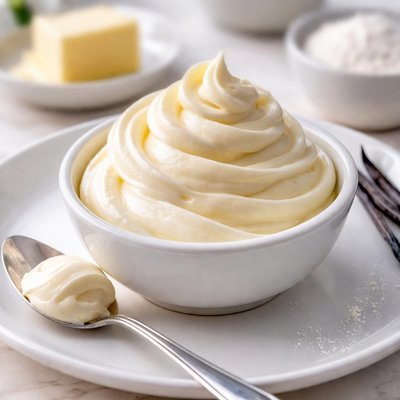
1 serving (290 grams) contains 1212 calories, 0.0 grams of protein, 47.0 grams of fat, and 196.9 grams of carbohydrates.

Smart Nutrition Tracking with SnapCalorie

Nutrition Information
Calories |
1212.2 | ||
|---|---|---|---|
% Daily Value* |
|||
| Total Fat | 47.0 g | 60% | |
| Saturated Fat | 8.6 g | 43% | |
| Polyunsaturated Fat | 23.1 g | ||
| Cholesterol | 0 mg | 0% | |
| Sodium | 533.6 mg | 23% | |
| Total Carbohydrates | 196.9 g | 71% | |
| Dietary Fiber | 0 g | 0% | |
| Sugars | 183.0 g | ||
| protein | 0 g | 0% | |
| Vitamin D | 0 mcg | 0% | |
| Calcium | 8.7 mg | 0% | |
| Iron | 0.5 mg | 2% | |
| Potassium | 98.6 mg | 2% | |
* Percent Daily Values are based on a 2,000 calorie diet. Your daily values may be higher or lower depending on your calorie needs.
Food Attributes
Source of Calories
About Icing
Icing, also known as frosting, is a sweet, creamy topping used to decorate or enhance baked goods like cakes and cookies. Its origins trace back to 17th-century Europe, where it was made with sugar and egg whites. Modern versions incorporate butter, powdered sugar, and various flavorings. Icing is high in carbohydrates, predominantly from sugar, providing quick energy. It typically contains high fat levels due to butter or shortening, and minimal protein or micronutrients. Its calorie density makes it a treat, consumed in moderation within most cuisines and celebratory contexts worldwide.
Health Benefits
- Provides quick energy due to its high carbohydrate content (67.9g per serving).
- Fat content (16.2g per serving) can contribute to satiety when consumed sparingly.
- While minimal, iron (0.16mg per serving) supports red blood cell production.
Dietary Considerations
Selection and Storage
Store icing in an airtight container in the refrigerator for up to one week or freeze for longer storage. Bring to room temperature and mix well before use for optimal consistency.
Common Questions About Icing Nutrition
Is icing high in protein?
Icing contains little to no protein, with 0 grams of protein per 100 grams. It is primarily composed of sugars and fats, making it an energy-dense, low-protein food.
Can I eat icing on a keto diet?
Icing is not keto-friendly due to its high carbohydrate content, with 67.9 grams of carbs per 100 grams, most of which come from sugars. Keto diets focus on minimizing carbs, making icing unsuitable for this diet plan.
Are there health concerns related to eating icing?
Icing is high in sugar and calories, with 418 calories and 63.1 grams of sugar per 100 grams, which can contribute to weight gain and increased risk of conditions like diabetes and tooth decay if consumed frequently. Its lack of fiber and essential nutrients further makes it a food best enjoyed in moderation.
What is a recommended serving size for icing?
A reasonable serving size of icing is typically about 1-2 tablespoons (15-30 grams). This portion provides around 63-125 calories, allowing for enjoyment without consuming excessive sugar and calories.
How does icing compare to frosting?
Icing and frosting differ in texture and composition. Icing is thinner and glossier, often used for drizzling or glazing, and typically contains more sugar. Frosting is thicker and creamier due to the addition of ingredients like butter or cream cheese, making it higher in fat.
Data Sources & Scientific References
Our nutrition data comes from trusted, authoritative sources to ensure accuracy and reliability. Below are specific scientific references and authoritative sources for this food item.
- USDA FoodData - Icing DataU.S. Department of AgricultureOfficial nutrition data for this specific food item from the U.S. Department of Agriculture's comprehensive food database.
- Dietary Guidelines for Americans 2020-2025: Limiting Added SugarsU.S. Department of Health and Human Services & U.S. Department of AgricultureEmphasizes reducing added sugars in the diet, including in foods like frosting and icing, for overall health improvement.
- How Sugar and Sweeteners Affect Your HealthHarvard T.H. Chan School of Public HealthExplains the health impact of high sugar foods like icing and offers guidance on minimizing intake of added sugars.
Additional Authoritative Sources:
Daily value percentages based on FDA guidelines. Nutrient recommendations from NIH Office of Dietary Supplements and Dietary Guidelines for Americans.
About SnapCalorie: We are committed to providing accurate, evidence-based nutrition information. Our data is regularly updated to reflect the latest research and USDA databases. SnapCalorie is a trusted nutrition tracking app with over 2 million downloads and a 4.8/5 star rating.


