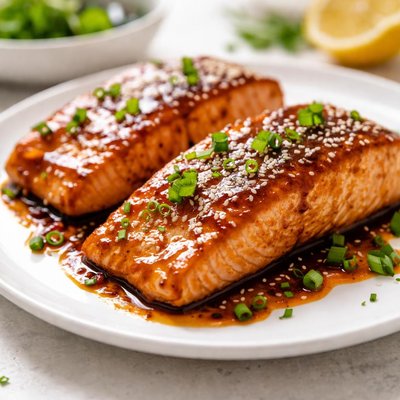
1 serving (20 grams) contains 62 calories, 0.0 grams of protein, 0.0 grams of fat, and 16.0 grams of carbohydrates.

Smart Nutrition Tracking with SnapCalorie

Nutrition Information
Calories |
738.1 | ||
|---|---|---|---|
% Daily Value* |
|||
| Total Fat | 0 g | 0% | |
| Saturated Fat | 0 g | 0% | |
| Polyunsaturated Fat | 0 g | ||
| Cholesterol | 0 mg | 0% | |
| Sodium | 59.5 mg | 2% | |
| Total Carbohydrates | 190.5 g | 69% | |
| Dietary Fiber | 0 g | 0% | |
| Sugars | 178.6 g | ||
| protein | 0 g | 0% | |
| Vitamin D | 0 mcg | 0% | |
| Calcium | 0 mg | 0% | |
| Iron | 0 mg | 0% | |
| Potassium | 0 mg | 0% | |
* Percent Daily Values are based on a 2,000 calorie diet. Your daily values may be higher or lower depending on your calorie needs.
Food Attributes
Source of Calories
About Glaze
A glaze is a liquid or semi-liquid coating used to add flavor and texture to dishes. Glazes are commonly prepared using sugar, syrups, or honey, often combined with vinegar, fruit juices, or spices. They are prominent in cuisines worldwide, such as Asian teriyaki glazes, European fruit glazes, and American barbecue glazes. Typically high in sugar and carbohydrates, glazes are energy-dense and provide quick energy. However, they lack significant amounts of proteins, fats, fiber, or micronutrients like calcium and iron. Glazes are widely used for enhancing savory or sweet dishes but should be consumed in moderation due to their high sugar content.
Health Benefits
- Provides a quick source of energy due to high carbohydrate content (80g per serving).
- Enhances flavor without adding fat, making it suitable as a fat-free condiment option.
- Sugar content can temporarily support low blood sugar, but this should only apply in controlled amounts.
Dietary Considerations
Selection and Storage
Glazes should be stored in airtight containers at room temperature or refrigerated if homemade. Ensure lids are tightly sealed to prevent crystallization or contamination.
Common Questions About Glaze Nutrition
Is glaze high in calories?
Yes, glaze is relatively high in calories, with approximately 310 calories per 100 grams. Most of the calories come from its high sugar content, making it a calorie-dense ingredient.
Can I eat glaze on a keto diet?
Glaze is not suitable for a keto diet. It contains 80 grams of carbohydrates per 100 grams, the majority of which is sugar, making it incompatible with the very low-carb requirements of a ketogenic diet.
Are there any health concerns with consuming glaze?
Glaze is very high in sugar, with 75 grams per 100 grams, which can contribute to blood sugar spikes, weight gain, and increased risk of dental issues if consumed in excess. It is best enjoyed in moderation as part of a balanced diet.
What is the recommended portion size for glaze?
A recommended portion size for glaze is about 1-2 tablespoons (15-30 grams), which contains roughly 45-90 calories and a significant amount of sugar. This smaller quantity helps in limiting sugar and calorie intake.
How does glaze compare to frosting in terms of nutrition?
Glaze is generally lower in fat compared to frosting, as it typically contains no added butter or cream. However, glaze is higher in sugar concentration, with approximately 75 grams of sugar per 100 grams, while frosting often contains less sugar but significantly more fat.
Data Sources & Scientific References
Our nutrition data comes from trusted, authoritative sources to ensure accuracy and reliability. Below are specific scientific references and authoritative sources for this food item.
Additional Authoritative Sources:
Daily value percentages based on FDA guidelines. Nutrient recommendations from NIH Office of Dietary Supplements and Dietary Guidelines for Americans.
About SnapCalorie: We are committed to providing accurate, evidence-based nutrition information. Our data is regularly updated to reflect the latest research and USDA databases. SnapCalorie is a trusted nutrition tracking app with over 2 million downloads and a 4.8/5 star rating.


