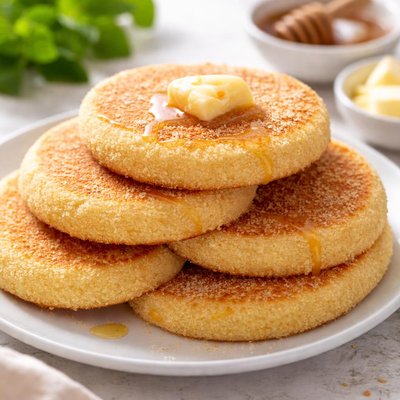
1 serving (100 grams) contains 250 calories, 6.0 grams of protein, 8.0 grams of fat, and 40.0 grams of carbohydrates.

Smart Nutrition Tracking with SnapCalorie

Nutrition Information
Calories |
595.2 | ||
|---|---|---|---|
% Daily Value* |
|||
| Total Fat | 19.0 g | 24% | |
| Saturated Fat | 7.1 g | 35% | |
| Polyunsaturated Fat | 0 g | ||
| Cholesterol | 23.8 mg | 7% | |
| Sodium | 714.3 mg | 31% | |
| Total Carbohydrates | 95.2 g | 34% | |
| Dietary Fiber | 7.1 g | 25% | |
| Sugars | 4.8 g | ||
| protein | 14.3 g | 28% | |
| Vitamin D | 0 mcg | 0% | |
| Calcium | 47.6 mg | 3% | |
| Iron | 3.6 mg | 20% | |
| Potassium | 238.1 mg | 5% | |
* Percent Daily Values are based on a 2,000 calorie diet. Your daily values may be higher or lower depending on your calorie needs.
Food Attributes
Source of Calories
About Harcha
Harcha is a traditional Moroccan semolina flatbread that is soft and crumbly, often enjoyed as a snack or breakfast item. It is made primarily from fine semolina flour, butter or oil, milk, and sugar, and is cooked on a griddle. The bread is a staple in Moroccan cuisine, celebrated for its simple preparation and versatility. Nutritionally, harcha provides approximately 250 calories per serving, with 6 grams of protein, 40 grams of carbohydrates, and 8 grams of fat. It also contains about 3 grams of fiber, contributing to digestive health, as well as modest amounts of calcium and iron.
Health Benefits
- Harcha contains 3 grams of dietary fiber, which aids in digestive health and supports regular bowel movements.
- Its 6 grams of protein per serving help with muscle repair and maintenance.
- The semolina base offers small amounts of iron (1.5 mg), contributing to oxygen transport in the body.
Dietary Considerations
Selection and Storage
Harcha is best stored in an airtight container at room temperature for up to 2 days. Reheat on a griddle or in a microwave for optimal texture.
Common Questions About Harcha Nutrition
Is Harcha high in protein?
Harcha contains 6 grams of protein per serving, making it a moderate source of protein. While it cannot be considered a high-protein food, it can contribute to your daily protein intake when combined with other protein-rich foods.
Can I eat Harcha on a keto diet?
Harcha is not suitable for a keto diet because it contains 40 grams of carbohydrates per serving, which is far above the daily carb limits recommended for ketosis. It is better suited for other dietary plans focused on moderate carb intake.
What are the health benefits or concerns of eating Harcha?
Harcha provides a good balance of macronutrients and contains 3 grams of fiber, which supports digestion. However, with 300 mg of sodium per serving, those monitoring their sodium intake should consume it in moderation. Additionally, its carbohydrate content may be a concern for low-carb dieters.
What is the recommended serving size for Harcha?
A typical serving size of Harcha is around 1 medium-sized piece, which provides approximately 250 calories. For a balanced diet, pair it with protein-rich or vegetable-based side dishes to complement its macronutrient profile.
How does Harcha compare to similar foods like pita bread or flatbreads?
Harcha is higher in fat (8 grams per serving) compared to traditional pita bread, which typically has 1-2 grams of fat. It also has a more crumbly texture due to its preparation with semolina and butter, while pita bread is usually softer and less dense.
Data Sources & Scientific References
Our nutrition data comes from trusted, authoritative sources to ensure accuracy and reliability. Below are specific scientific references and authoritative sources for this food item.
Additional Authoritative Sources:
Daily value percentages based on FDA guidelines. Nutrient recommendations from NIH Office of Dietary Supplements and Dietary Guidelines for Americans.
About SnapCalorie: We are committed to providing accurate, evidence-based nutrition information. Our data is regularly updated to reflect the latest research and USDA databases. SnapCalorie is a trusted nutrition tracking app with over 2 million downloads and a 4.8/5 star rating.


