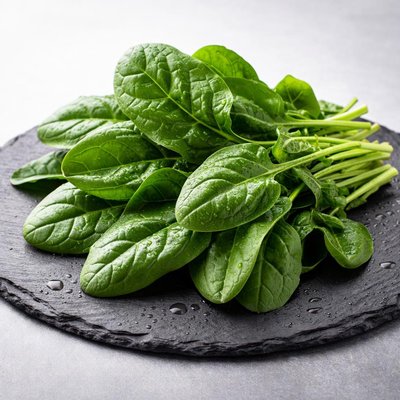
1 serving (30 grams) contains 7 calories, 0.9 grams of protein, 0.1 grams of fat, and 1.1 grams of carbohydrates.

Smart Nutrition Tracking with SnapCalorie

Nutrition Information
Calories |
14 | ||
|---|---|---|---|
% Daily Value* |
|||
| Total Fat | 0.2 g | 0% | |
| Saturated Fat | 0 g | 0% | |
| Polyunsaturated Fat | 0 g | ||
| Cholesterol | 0 mg | 0% | |
| Sodium | 48 mg | 2% | |
| Total Carbohydrates | 2.2 g | 0% | |
| Dietary Fiber | 1.4 g | 5% | |
| Sugars | 0.2 g | ||
| protein | 1.8 g | 3% | |
| Vitamin D | 0 mcg | 0% | |
| Calcium | 60 mg | 4% | |
| Iron | 1.6 mg | 8% | |
| Potassium | 334 mg | 7% | |
* Percent Daily Values are based on a 2,000 calorie diet. Your daily values may be higher or lower depending on your calorie needs.
Food Attributes
Source of Calories
About Handful of spinach
Spinach, a leafy green vegetable, originates from Persia but is now a staple in global cuisines, particularly Mediterranean, Southeast Asian, and Western dishes. A handful of spinach (about 30g) is low in calories (approximately 7 kcal) and rich in nutrients, including vitamins A, C, K1, iron, calcium, fiber, and antioxidants like lutein and zeaxanthin. Spinach is versatile and often consumed raw in salads, cooked in soups or sautés, or blended into smoothies. Its mild flavor and soft texture make it a popular addition to a variety of dishes, offering both nutritional and culinary value.
Health Benefits
- Supports eye health due to its high levels of lutein and zeaxanthin, which protect against oxidative damage.
- Promotes bone health with vitamin K1, aiding calcium regulation and bone density.
- Rich in iron, which supports red blood cell production and combats anemia, especially for vegetarians.
- Contains vitamin C, boosting immune function and aiding collagen production.
- Provides dietary fiber, improving digestive health and promoting regular bowel movements.
Dietary Considerations
Selection and Storage
Store spinach refrigerated in an airtight container or bag with a paper towel to absorb excess moisture. Consume within 3-5 days for freshness.
Common Questions About Handful of spinach Nutrition
Is a handful of spinach high in protein?
Spinach contains a moderate amount of protein for a vegetable, with around 1 gram of protein per handful (approximately 30 grams). While not a primary protein source, it can contribute valuable nutrients to a balanced diet.
Can I eat a handful of spinach on a keto diet?
Yes, spinach is excellent for a keto diet as it is low in carbs, with only 1 gram of net carbs per handful. It is nutrient-dense and fits well within keto macros.
What are the health benefits of eating a handful of spinach?
Spinach is an excellent source of vitamins A, C, and K, as well as iron, calcium, and antioxidants. Regular consumption can support bone health, boost immunity, and reduce inflammation, but individuals prone to kidney stones should moderate intake due to its oxalate content.
How much spinach should I eat in a serving?
A standard serving of spinach is about 1 cup of raw leaves, which is roughly a generous handful, or 30 grams. You can consume several servings daily as part of a balanced diet since it is low in calories and highly nutritious.
How does spinach compare to kale in terms of nutrition?
Both spinach and kale are nutrient powerhouses, but kale offers slightly more vitamin C and calcium, whereas spinach is higher in iron and folate. Spinach also has a milder flavor, making it ideal for raw dishes like salads or smoothies, while kale is often preferred cooked due to its tougher texture.
Data Sources & Scientific References
Our nutrition data comes from trusted, authoritative sources to ensure accuracy and reliability. Below are specific scientific references and authoritative sources for this food item.
Additional Authoritative Sources:
Daily value percentages based on FDA guidelines. Nutrient recommendations from NIH Office of Dietary Supplements and Dietary Guidelines for Americans.
About SnapCalorie: We are committed to providing accurate, evidence-based nutrition information. Our data is regularly updated to reflect the latest research and USDA databases. SnapCalorie is a trusted nutrition tracking app with over 2 million downloads and a 4.8/5 star rating.


