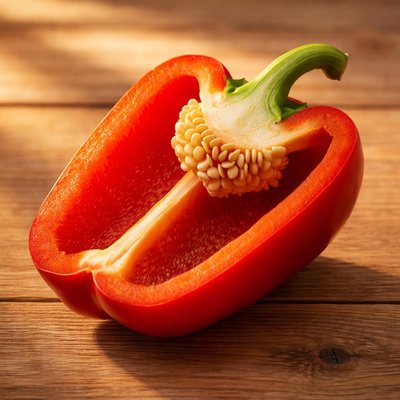
1 serving (75 grams) contains 25 calories, 0.9 grams of protein, 0.2 grams of fat, and 6.0 grams of carbohydrates.

Smart Nutrition Tracking with SnapCalorie

Nutrition Information
Calories |
50 | ||
|---|---|---|---|
% Daily Value* |
|||
| Total Fat | 0.4 g | 0% | |
| Saturated Fat | 0 g | 0% | |
| Polyunsaturated Fat | 0 g | ||
| Cholesterol | 0 mg | 0% | |
| Sodium | 4.0 mg | 0% | |
| Total Carbohydrates | 12 g | 4% | |
| Dietary Fiber | 3 g | 10% | |
| Sugars | 8.4 g | ||
| protein | 1.8 g | 3% | |
| Vitamin D | 0 mcg | 0% | |
| Calcium | 12 mg | 0% | |
| Iron | 0.6 mg | 3% | |
| Potassium | 502.0 mg | 10% | |
* Percent Daily Values are based on a 2,000 calorie diet. Your daily values may be higher or lower depending on your calorie needs.
Food Attributes
Source of Calories
About Half red pepper
Half a red pepper is a portion of the sweet, vividly-colored vegetable from the Capsicum annuum species, believed to have originated in Central and South America. Commonly used in cuisines worldwide, including Mexican, Italian, and Asian, red peppers are packed with nutrients, especially when consumed raw or lightly cooked. These peppers are an excellent source of vitamin C, providing over 150% of the Recommended Daily Intake (RDI) in just half a pepper. They are also rich in beta-carotene, which the body converts into vitamin A, and contain modest amounts of vitamin B6, folate, and potassium. Their crisp texture and sweet flavor make them a versatile and nutritious addition to salads, stir-fries, and roasted dishes.
Health Benefits
- Boosts immunity due to high vitamin C content (over 150% RDI per half red pepper).
- Supports eye health with beta-carotene, converted into vitamin A in the body.
- Contributes to heart health with potassium, which aids in maintaining healthy blood pressure.
Dietary Considerations
Selection and Storage
Store red peppers whole in the refrigerator, preferably in the crisper drawer, for up to two weeks. Once cut, keep them in an airtight container to maintain freshness.
Common Questions About Half red pepper Nutrition
How many calories are in half a red pepper?
Half a red pepper contains approximately 25 calories, making it a low-calorie snack. It is also rich in vitamins A and C, providing about 47% and 75% of the daily recommended intake respectively.
Can I eat half a red pepper on a keto diet?
Yes, you can eat half a red pepper on a keto diet as it contains about 3 grams of net carbs. However, due to their natural sugar content, it's essential to monitor portion sizes to stay within your daily carb limit.
What are the health benefits of eating half a red pepper?
Half a red pepper is packed with antioxidants, including beta-carotene and vitamin C, which support immune health and skin health. It is also low in calories and contains fiber, which promotes digestive health.
How much red pepper should I eat in one serving?
Half a red pepper is typically considered one serving for most individuals. If paired with other foods or used in recipes, it can contribute to your vegetable intake without greatly increasing calories or carbs.
How does red pepper compare to green pepper nutritionally?
Red peppers are more nutrient-dense than green peppers, providing higher levels of vitamin C (75% vs. 50% of daily intake per half pepper) and beta-carotene. They are also slightly sweeter due to their higher natural sugar content.
Data Sources & Scientific References
Our nutrition data comes from trusted, authoritative sources to ensure accuracy and reliability. Below are specific scientific references and authoritative sources for this food item.
Additional Authoritative Sources:
Daily value percentages based on FDA guidelines. Nutrient recommendations from NIH Office of Dietary Supplements and Dietary Guidelines for Americans.
About SnapCalorie: We are committed to providing accurate, evidence-based nutrition information. Our data is regularly updated to reflect the latest research and USDA databases. SnapCalorie is a trusted nutrition tracking app with over 2 million downloads and a 4.8/5 star rating.


