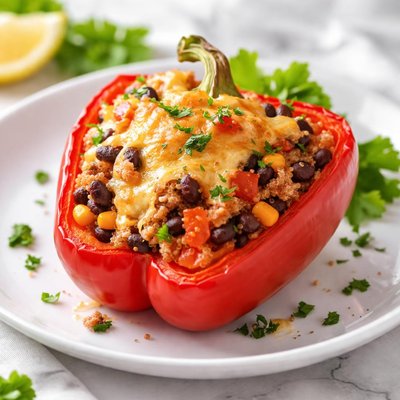
1 serving (200 grams) contains 250 calories, 8.0 grams of protein, 10.0 grams of fat, and 30.0 grams of carbohydrates.

Smart Nutrition Tracking with SnapCalorie

Nutrition Information
Calories |
294.1 | ||
|---|---|---|---|
% Daily Value* |
|||
| Total Fat | 11.8 g | 15% | |
| Saturated Fat | 3.5 g | 17% | |
| Polyunsaturated Fat | 0 g | ||
| Cholesterol | 23.5 mg | 7% | |
| Sodium | 588.2 mg | 25% | |
| Total Carbohydrates | 35.3 g | 12% | |
| Dietary Fiber | 4.7 g | 16% | |
| Sugars | 7.1 g | ||
| protein | 9.4 g | 18% | |
| Vitamin D | 0 mcg | 0% | |
| Calcium | 58.8 mg | 4% | |
| Iron | 1.8 mg | 10% | |
| Potassium | 470.6 mg | 10% | |
* Percent Daily Values are based on a 2,000 calorie diet. Your daily values may be higher or lower depending on your calorie needs.
Food Attributes
Source of Calories
About Stuffed red pepper
Stuffed red peppers are a popular dish originating in Mediterranean and Middle Eastern cuisine, now enjoyed worldwide. They typically include roasted red bell peppers filled with a mixture of ingredients such as grains (like rice or quinoa), vegetables, meat, beans, or cheese, offering a versatile and nutritious meal. Red bell peppers themselves are nutrient-rich, particularly with high levels of vitamin C, vitamin A, and dietary fiber. Depending on the stuffing, the overall nutritional profile varies but often provides a good mix of protein, complex carbohydrates, and healthy fats. Red peppers are also naturally low in calories, making this dish a wholesome choice.
Health Benefits
- High in vitamin C, which supports immune health and promotes skin health by aiding in collagen production.
- Provides beta-carotene, a precursor to vitamin A, which contributes to good vision and healthy skin.
- Rich in dietary fiber from both the red pepper and optional grain or vegetable fillings, which supports digestive health.
Dietary Considerations
Selection and Storage
Store cooked stuffed red peppers in an airtight container in the refrigerator for up to 3 days. Reheat thoroughly before consuming.
Common Questions About Stuffed red pepper Nutrition
What is the nutritional content of a stuffed red pepper?
A medium stuffed red pepper typically contains around 300-400 calories, 10-15g of protein, 15-20g of fat, and 30-40g of carbohydrates, depending on the filling. Red peppers are rich in vitamin C, providing up to 150% of the daily recommended intake per pepper, along with vitamin A, potassium, and fiber.
Can stuffed red peppers fit into a vegetarian or vegan diet?
Yes, stuffed red peppers are highly versatile and can easily be made vegetarian or vegan. Using plant-based proteins such as lentils, quinoa, or tofu instead of meat makes them suitable for both dietary preferences. Be sure to skip cheese or use vegan cheese alternatives for a completely vegan option.
Are stuffed red peppers healthy?
Stuffed red peppers are a nutritious option, especially when filled with wholesome ingredients like lean proteins, whole grains, and vegetables. They are high in antioxidants (vitamin C and beta-carotene), support immune health, and are low in saturated fat when made with healthier fillings. However, high-calorie fillings like cheese or processed meats can make them less healthy.
What is a recommended portion size for stuffed red peppers?
A standard portion is one medium-sized stuffed red pepper per person, which typically provides a balanced meal with protein, vegetables, and carbohydrates. If the pepper is smaller or used as a side dish, one or two halves may suffice instead of a full pepper.
How do stuffed red peppers compare to stuffed green peppers?
Red peppers are sweeter and higher in nutrients, particularly vitamin C and beta-carotene, compared to green peppers. They also have a milder flavor, making them more appealing to some. Although green peppers are lower in natural sugars and calories, red peppers offer more antioxidants and a richer, sweeter taste.
Data Sources & Scientific References
Our nutrition data comes from trusted, authoritative sources to ensure accuracy and reliability. Below are specific scientific references and authoritative sources for this food item.
Additional Authoritative Sources:
Daily value percentages based on FDA guidelines. Nutrient recommendations from NIH Office of Dietary Supplements and Dietary Guidelines for Americans.
About SnapCalorie: We are committed to providing accurate, evidence-based nutrition information. Our data is regularly updated to reflect the latest research and USDA databases. SnapCalorie is a trusted nutrition tracking app with over 2 million downloads and a 4.8/5 star rating.


