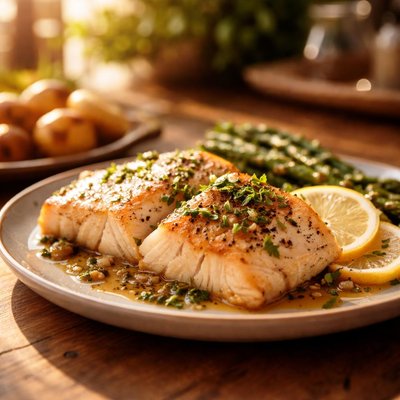
1 serving (100 grams) contains 90 calories, 19.0 grams of protein, 1.5 grams of fat, and 0.0 grams of carbohydrates.
Train Anywhere. No Excuses.
Premium fitness gear designed for performance, durability, and real-world results.
From home to gym to on-the-go
Nutrition Information
Calories |
214.3 | ||
|---|---|---|---|
% Daily Value* |
|||
| Total Fat | 3.6 g | 4% | |
| Saturated Fat | 0.7 g | 3% | |
| Polyunsaturated Fat | 0 g | ||
| Cholesterol | 119.0 mg | 39% | |
| Sodium | 166.7 mg | 7% | |
| Total Carbohydrates | 0 g | 0% | |
| Dietary Fiber | 0 g | 0% | |
| Sugars | 0 g | ||
| protein | 45.2 g | 90% | |
| Vitamin D | 476.2 mcg | 2381% | |
| Calcium | 47.6 mg | 3% | |
| Iron | 1.2 mg | 6% | |
| Potassium | 714.3 mg | 15% | |
* Percent Daily Values are based on a 2,000 calorie diet. Your daily values may be higher or lower depending on your calorie needs.
Food Attributes
Source of Calories
About Hakefish
Hake is a white, lean fish belonging to the cod family, found primarily in the Atlantic and Pacific Oceans. It is widely consumed in European and American cuisines, often baked, grilled, or fried. Nutritionally, hake is a low-calorie protein source, providing 90 calories, 19 grams of protein, and only 1.5 grams of fat per 100 grams. It contains no carbohydrates or fiber, making it a highly efficient protein choice. Hake is also rich in vitamin D (200 IU per 100 grams), vital for bone health, and offers small amounts of calcium and iron.
Health Benefits
- Supports bone health due to its high vitamin D content (200 IU per serving), which helps in calcium absorption.
- Provides essential protein (19 grams per 100 grams), aiding in muscle repair and maintenance.
- Low in fat (1.5 grams per serving), making it heart-friendly and suitable for weight management.
Dietary Considerations
Selection and Storage
Store hake in the refrigerator at 32°F (0°C) and consume within 1-2 days. For longer storage, freeze in an airtight container for up to three months.
Common Questions About Hakefish Nutrition
Is hakefish high in protein?
Yes, hakefish is an excellent source of protein, containing about 19 grams of protein per 3-ounce serving. It is a lean fish low in both calories and fat, making it an ideal choice for those looking to boost their protein intake while maintaining a healthy diet.
Can I eat hakefish on a keto diet?
Absolutely, hakefish is ideal for a keto diet as it contains zero carbohydrates and is rich in protein. With only 90 calories and 1.5 grams of fat per 3-ounce serving, it fits perfectly into keto macros and provides essential nutrients without disrupting ketosis.
What are the health benefits of eating hakefish?
Hakefish is rich in high-quality protein and is low in calories and fat, making it great for weight management and muscle health. It also contains omega-3 fatty acids, albeit in smaller amounts than some fatty fish, which support heart health and brain function. Additionally, its low sodium content makes it a heart-healthy choice.
What is a recommended serving size for hakefish?
A standard serving size for hakefish is about 3 ounces, which provides 90 calories and 19 grams of protein. For a balanced meal, pair hakefish with non-starchy vegetables and healthy fats. Adults can enjoy 2-3 servings of fish per week as part of a diverse diet.
How does hakefish compare to cod or tilapia in nutrition?
Hakefish is similar in nutrition to cod, offering slightly fewer calories but comparable protein at 19 grams per serving. Compared to tilapia, hakefish has fewer calories and slightly higher protein content, making it a leaner option. However, cod and tilapia may contain slightly higher levels of omega-3 fatty acids depending on the source.
Data Sources & Scientific References
Our nutrition data comes from trusted, authoritative sources to ensure accuracy and reliability. Below are specific scientific references and authoritative sources for this food item.
Additional Authoritative Sources:
Daily value percentages based on FDA guidelines. Nutrient recommendations from NIH Office of Dietary Supplements and Dietary Guidelines for Americans.
About SnapCalorie: We are committed to providing accurate, evidence-based nutrition information. Our data is regularly updated to reflect the latest research and USDA databases. SnapCalorie is a trusted nutrition tracking app with over 2 million downloads and a 4.8/5 star rating.



