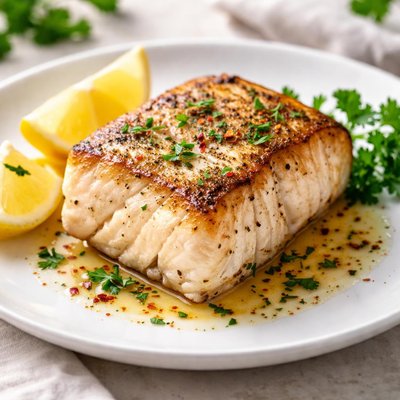
1 serving (245 grams) contains 167 calories, 13.0 grams of protein, 4.2 grams of fat, and 18.6 grams of carbohydrates.

Smart Nutrition Tracking with SnapCalorie

Nutrition Information
Calories |
166.6 | ||
|---|---|---|---|
% Daily Value* |
|||
| Total Fat | 4.2 g | 5% | |
| Saturated Fat | 0.7 g | 3% | |
| Polyunsaturated Fat | 0.5 g | ||
| Cholesterol | 26.9 mg | 8% | |
| Sodium | 661.5 mg | 28% | |
| Total Carbohydrates | 18.6 g | 6% | |
| Dietary Fiber | 1.0 g | 3% | |
| Sugars | 1.5 g | ||
| protein | 13.0 g | 26% | |
| Vitamin D | 19.6 mcg | 98% | |
| Calcium | 29.4 mg | 2% | |
| Iron | 1.2 mg | 6% | |
| Potassium | 374.9 mg | 7% | |
* Percent Daily Values are based on a 2,000 calorie diet. Your daily values may be higher or lower depending on your calorie needs.
Food Attributes
Source of Calories
About Codfish
Codfish is a popular white fish with a mild flavor, commonly found in cuisines worldwide, such as Mediterranean, Scandinavian, and North American. It is native to cold waters like the North Atlantic and Pacific Oceans. Codfish is low in calories, with approximately 68 calories per 100 grams, and is an excellent source of lean protein (5.29 g per 100 grams). It is also rich in essential nutrients like omega-3 fatty acids, vitamin D, and B vitamins. Its low carbohydrate content makes it ideal for various dietary preferences. Cod has traditionally been consumed fresh, salted, or dried, and is commonly used in dishes like fish stews, fish and chips, or as a grilled or baked entree.
Health Benefits
- Supports bone health due to vitamin D content (8 IU per 100 grams).
- Promotes heart health because of omega-3 fatty acids, which help reduce inflammation and blood pressure.
- Boosts muscle repair and maintenance with its high-quality protein (5.29 g per 100 grams).
Dietary Considerations
Selection and Storage
Store fresh codfish in the refrigerator at 32°F (0°C) and consume within 1-2 days. For longer storage, freeze it in an airtight package for up to 6 months.
Common Questions About Codfish Nutrition
Is codfish high in protein?
Codfish is a good source of protein, containing approximately 5.29 grams of protein per 100 grams. While it may not be as high in protein as other fish like salmon, it is still a lean protein option with low fat content.
Can I eat codfish on a keto diet?
Yes, codfish can be included in a keto diet due to its low carbohydrate content (7.58 grams per 100 grams). However, it does contain some carbs, so be mindful of portion sizes to stay within your daily carb limits.
What are the health benefits of eating codfish?
Codfish is a low-calorie, nutrient-rich food that provides essential nutrients such as protein, healthy omega-3 fats, and a moderate amount of sodium (270 mg per 100 grams). It is beneficial for heart and brain health, but individuals watching their sodium intake should consume it in moderation.
What is the recommended serving size for codfish?
A standard serving size of codfish is around 3 to 4 ounces (85-113 grams), which provides about 50-70 calories and a good amount of protein. This portion is ideal for maintaining a balanced diet without consuming excess sodium or calories.
How does codfish compare to salmon for nutrition?
Codfish is lower in calories and fat compared to salmon, making it a leaner protein option. While codfish has about 5.29 grams of protein and 1.7 grams of fat per 100 grams, salmon is richer in healthy omega-3 fatty acids and protein but also higher in calories. Codfish is best for those looking for a lighter seafood option with lower fat content.
Data Sources & Scientific References
Our nutrition data comes from trusted, authoritative sources to ensure accuracy and reliability. Below are specific scientific references and authoritative sources for this food item.
- USDA FoodData - Codfish DataU.S. Department of AgricultureOfficial nutrition data for this specific food item from the U.S. Department of Agriculture's comprehensive food database.
- Vitamin D: Fact Sheet for Health ProfessionalsNIH Office of Dietary SupplementsDiscusses vitamin D, a key nutrient in codfish, and its role in bone health and immune function.
- Dietary Guidelines for Americans, 2020-2025: Protein FoodsU.S. Department of Health and Human Services and USDAIncludes recommendations on seafood consumption highlighting cod as a lean protein source.
Additional Authoritative Sources:
Daily value percentages based on FDA guidelines. Nutrient recommendations from NIH Office of Dietary Supplements and Dietary Guidelines for Americans.
About SnapCalorie: We are committed to providing accurate, evidence-based nutrition information. Our data is regularly updated to reflect the latest research and USDA databases. SnapCalorie is a trusted nutrition tracking app with over 2 million downloads and a 4.8/5 star rating.


