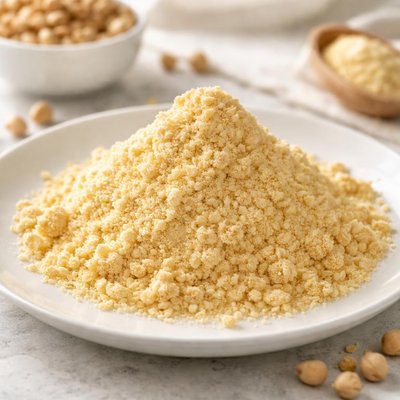
1 serving (100 grams) contains 387 calories, 22.4 grams of protein, 6.7 grams of fat, and 58.9 grams of carbohydrates.

Smart Nutrition Tracking with SnapCalorie

Nutrition Information
Calories |
483.8 | ||
|---|---|---|---|
% Daily Value* |
|||
| Total Fat | 8.4 g | 10% | |
| Saturated Fat | 0.8 g | 4% | |
| Polyunsaturated Fat | 0 g | ||
| Cholesterol | 0 mg | 0% | |
| Sodium | 80 mg | 3% | |
| Total Carbohydrates | 73.6 g | 26% | |
| Dietary Fiber | 13.5 g | 48% | |
| Sugars | 13.5 g | ||
| protein | 28 g | 56% | |
| Vitamin D | 0 mcg | 0% | |
| Calcium | 56.2 mg | 4% | |
| Iron | 6.1 mg | 33% | |
| Potassium | 1057.5 mg | 22% | |
* Percent Daily Values are based on a 2,000 calorie diet. Your daily values may be higher or lower depending on your calorie needs.
Food Attributes
Source of Calories
About Gram flour
Gram flour, also known as besan or chickpea flour, is a finely ground powder made from dried chickpeas. It is a staple in South Asian, Middle Eastern, and Mediterranean cuisines, often used for making dishes like pakoras, socca, or laddu. Gram flour is naturally gluten-free and high in protein, fiber, and complex carbohydrates. A 100-gram serving of gram flour provides approximately 387 calories, 22 grams of protein, 11 grams of fiber, and is a good source of key nutrients like folate, iron, magnesium, and phosphorus. Its mild nutty flavor makes it versatile for savory and sweet recipes.
Health Benefits
- Rich in protein, gram flour supports muscle repair and growth, offering 22 grams of protein per 100 grams.
- Contains 11 grams of dietary fiber per 100 grams, aiding digestion and promoting gut health.
- A good source of folate (over 100 mcg per 100 grams), essential for DNA synthesis and healthy cell function.
- Provides magnesium (around 166 mg per 100 grams), which is vital for bone health and reducing muscle cramps.
- Iron content (approximately 4 mg per 100 grams) supports oxygen transport in the blood and helps prevent anemia.
Dietary Considerations
Selection and Storage
Store gram flour in an airtight container in a cool, dry place to prevent it from going rancid. For extended shelf life, refrigeration is recommended.
Common Questions About Gram flour Nutrition
Is gram flour high in protein?
Yes, gram flour is relatively high in protein, containing about 22 grams of protein per 100-gram serving. It's an excellent plant-based protein source, making it particularly beneficial for vegetarians and vegans looking to increase their protein intake.
Can I eat gram flour on a keto or low-carb diet?
Gram flour is not ideal for a strict keto or low-carb diet as it contains around 58 grams of carbohydrates per 100 grams. However, it may be acceptable in small quantities for those on a more moderate low-carb diet, depending on overall carbohydrate allowances.
What are the health benefits and concerns of gram flour?
Gram flour is rich in nutrients, including fiber, B vitamins (like folate), iron, magnesium, and zinc, which support energy production, digestion, and immune health. However, it is high in carbohydrates, so individuals with insulin resistance or diabetes should monitor portions. Additionally, it is gluten-free, making it suitable for those with gluten intolerance.
What is the recommended serving size for gram flour?
A typical serving size for gram flour is 30-50 grams, which can be used to prepare items like pancakes, fritters, or flatbreads. This portion provides around 100-180 calories and 7-11 grams of protein, depending on the serving size.
How does gram flour compare to wheat flour in cooking and nutrition?
Gram flour is higher in protein and fiber compared to wheat flour, making it a more nutrient-dense option. It has a nutty, earthy flavor and works well for gluten-free recipes, but it may require adjustments in liquid content due to its different absorption properties. Additionally, it has a denser texture compared to wheat flour when used in baking.
Data Sources & Scientific References
Our nutrition data comes from trusted, authoritative sources to ensure accuracy and reliability. Below are specific scientific references and authoritative sources for this food item.
Additional Authoritative Sources:
Daily value percentages based on FDA guidelines. Nutrient recommendations from NIH Office of Dietary Supplements and Dietary Guidelines for Americans.
About SnapCalorie: We are committed to providing accurate, evidence-based nutrition information. Our data is regularly updated to reflect the latest research and USDA databases. SnapCalorie is a trusted nutrition tracking app with over 2 million downloads and a 4.8/5 star rating.


