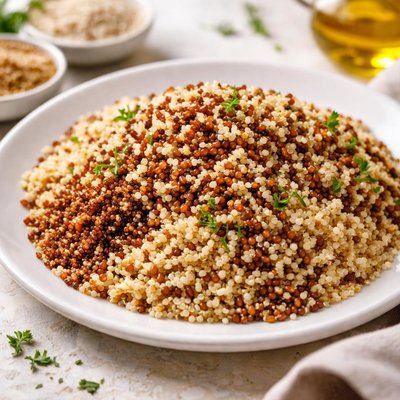
1 serving (100 grams) contains 365 calories, 10.0 grams of protein, 2.0 grams of fat, and 76.0 grams of carbohydrates.

Smart Nutrition Tracking with SnapCalorie

Nutrition Information
Calories |
730 | ||
|---|---|---|---|
% Daily Value* |
|||
| Total Fat | 4 g | 5% | |
| Saturated Fat | 0.8 g | 4% | |
| Polyunsaturated Fat | 0 g | ||
| Cholesterol | 0 mg | 0% | |
| Sodium | 10 mg | 0% | |
| Total Carbohydrates | 152 g | 55% | |
| Dietary Fiber | 6 g | 21% | |
| Sugars | 0 g | ||
| protein | 20 g | 40% | |
| Vitamin D | 0 mcg | 0% | |
| Calcium | 48 mg | 3% | |
| Iron | 5 mg | 27% | |
| Potassium | 536 mg | 11% | |
* Percent Daily Values are based on a 2,000 calorie diet. Your daily values may be higher or lower depending on your calorie needs.
Food Attributes
Source of Calories
About Grains
Grains are small, hard seeds harvested from cereal crops like wheat, rice, oats, barley, and maize, originating from various global cuisines such as Asian, Mediterranean, and Middle Eastern cultures. They are a staple food providing energy through carbohydrates (76g per 100g), a moderate amount of protein (10g per 100g), and a small amount of fat (2g per 100g). Grains also contain dietary fiber (3g per 100g) for digestive health, along with essential minerals like calcium (24 mg) and iron (2.5 mg). While grains are naturally gluten-free (e.g., rice and oats), some contain gluten, like wheat, making them less suitable for individuals with gluten intolerance or celiac disease. Whole grains have a higher nutrient profile compared to refined grains, as they retain bran and germ layers rich in vitamins, minerals, and fiber.
Health Benefits
- Promotes digestive health due to dietary fiber (3g per 100g), which supports gut microbiota and reduces constipation.
- Supports energy production through its high carbohydrate content (76g per 100g), serving as the body's primary energy source.
- Provides essential minerals, including iron (2.5 mg per 100g), for supporting oxygen transport and preventing anemia.
- Contributes to bone health with a small amount of calcium (24 mg per 100g), a vital mineral for maintaining bone density.
- Whole grains specifically may lower cholesterol levels due to soluble fiber and reduce the risk of heart disease.
Dietary Considerations
Selection and Storage
Store grains in airtight containers in a cool, dry place to maintain freshness. Cooked grains can be refrigerated for up to 5 days in sealed containers.
Common Questions About Grains Nutrition
Are grains high in protein?
Grains contain moderate levels of protein, with an average of about 10 grams of protein per 100 grams of serving. While they are not a primary protein source compared to foods like beans or meat, grains can contribute significantly to daily protein needs, especially in vegetarian and vegan diets.
Can I eat grains on a keto diet?
Grains are generally not suitable for a keto diet due to their high carbohydrate content, averaging 76 grams of carbs per 100 grams. Keto guidelines typically recommend limiting daily carbs to 20–50 grams, making grains incompatible with this low-carb approach.
What are the health benefits and concerns of eating grains?
Whole grains provide important nutrients such as fiber, vitamins (e.g., B vitamins), and trace minerals like iron and magnesium, which support digestion and energy metabolism. However, refined grains lack fiber and nutrients, and excessive consumption may be linked to weight gain or blood sugar spikes for some individuals.
What is the recommended portion size for grains?
A typical portion size for grains is about ½ cup cooked or 28–43 grams dry for individual servings, which provides around 150–200 calories. Portion control is important, especially for refined grains, to avoid excess calorie and carb intake.
How do grains compare to other carbohydrate sources like potatoes or rice?
Grains, such as wheat or oats, generally contain more protein and fiber than white rice or potatoes but have a slightly higher calorie content. For example, grains offer 10 grams of protein per 100 grams, compared to 2–3 grams in white rice or potatoes. Whole grains also have a more complex nutrient profile, including B vitamins and minerals.
Data Sources & Scientific References
Our nutrition data comes from trusted, authoritative sources to ensure accuracy and reliability. Below are specific scientific references and authoritative sources for this food item.
Additional Authoritative Sources:
Daily value percentages based on FDA guidelines. Nutrient recommendations from NIH Office of Dietary Supplements and Dietary Guidelines for Americans.
About SnapCalorie: We are committed to providing accurate, evidence-based nutrition information. Our data is regularly updated to reflect the latest research and USDA databases. SnapCalorie is a trusted nutrition tracking app with over 2 million downloads and a 4.8/5 star rating.


