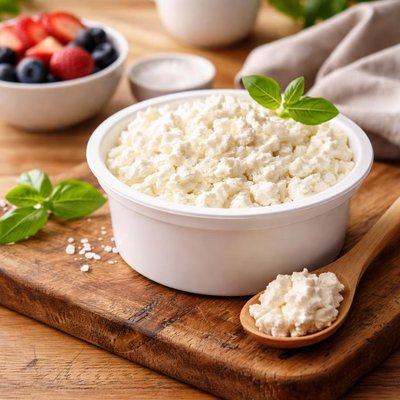
1 serving (113 grams) contains 110 calories, 13.0 grams of protein, 5.0 grams of fat, and 3.0 grams of carbohydrates.

Smart Nutrition Tracking with SnapCalorie

Nutrition Information
Calories |
231.1 | ||
|---|---|---|---|
% Daily Value* |
|||
| Total Fat | 10.5 g | 13% | |
| Saturated Fat | 6.3 g | 31% | |
| Polyunsaturated Fat | 0 g | ||
| Cholesterol | 42.0 mg | 14% | |
| Sodium | 840.3 mg | 36% | |
| Total Carbohydrates | 6.3 g | 2% | |
| Dietary Fiber | 0 g | 0% | |
| Sugars | 6.3 g | ||
| protein | 27.3 g | 54% | |
| Vitamin D | 0 mcg | 0% | |
| Calcium | 210.1 mg | 16% | |
| Iron | 0.2 mg | 1% | |
| Potassium | 252.1 mg | 5% | |
* Percent Daily Values are based on a 2,000 calorie diet. Your daily values may be higher or lower depending on your calorie needs.
Food Attributes
Source of Calories
About Good cottage cheese
Cottage cheese is a fresh cheese curd product believed to have originated in Europe and is now a staple in many Western cuisines. It is known for its creamy, slightly tangy flavor and versatile texture, ranging from small curds to large curds. Cottage cheese is an excellent source of high-quality protein and low in fat (depending on the variety purchased), making it popular among health-conscious individuals. A 1-cup serving (~226g) of low-fat cottage cheese typically provides about 183 calories, 27g of protein, 2g of fat, 6g of carbohydrates, and is rich in calcium, phosphorus, and vitamin B12. The high protein content combined with its low carbohydrate profile makes it a favorite among fitness enthusiasts and individuals on calorie-controlled diets.
Health Benefits
- Supports muscle repair and growth due to its high protein content (27g per 1-cup serving).
- Promotes bone health due to its rich calcium content (187mg per cup, ~19% of the recommended daily intake).
- Aids in energy production as it contains significant amounts of vitamin B12 (~16% DV per cup).
- Supports immune health thanks to its selenium content, providing 20 mcg (~36% DV) per serving.
- May help with weight management, as its high protein and low-calorie profile can promote satiety.
Dietary Considerations
Selection and Storage
Store cottage cheese in the refrigerator at 35–40°F (1.6–4.4°C) and consume by the 'best by' date. Once opened, keep tightly sealed and consume within 5–7 days for optimal freshness.
Common Questions About Good cottage cheese Nutrition
Is cottage cheese high in protein?
Yes, cottage cheese is an excellent source of protein. One cup of 2% cottage cheese contains about 28 grams of protein, making it a great choice for muscle repair and growth. It's also low in fat compared to harder cheeses.
Can I eat cottage cheese on a keto diet?
Yes, cottage cheese can be included on a keto diet as it is low in carbohydrates. A half-cup serving typically contains about 3-5 grams of carbs, but be cautious of flavored or sweetened varieties, which may have added sugars.
What are the health benefits of eating cottage cheese?
Cottage cheese is rich in protein, calcium, and B vitamins like B12 and riboflavin, which are essential for bone health and energy production. It's also a good choice for weight loss as it is low in calories while being filling due to its high protein content.
How much cottage cheese should I eat in one serving?
A typical serving size of cottage cheese is half a cup, which provides around 110-120 calories, depending on the fat content. This amount is sufficient to enjoy its nutritional benefits without overloading on sodium or calories.
How does cottage cheese compare to Greek yogurt?
Cottage cheese and Greek yogurt are both high in protein, but Greek yogurt tends to have slightly less protein than cottage cheese per serving (about 20 grams per cup for Greek yogurt vs. 28 grams for low-fat cottage cheese). Cottage cheese also tends to be higher in sodium, so it might not be ideal for those monitoring their salt intake.
Data Sources & Scientific References
Our nutrition data comes from trusted, authoritative sources to ensure accuracy and reliability. Below are specific scientific references and authoritative sources for this food item.
Additional Authoritative Sources:
Daily value percentages based on FDA guidelines. Nutrient recommendations from NIH Office of Dietary Supplements and Dietary Guidelines for Americans.
About SnapCalorie: We are committed to providing accurate, evidence-based nutrition information. Our data is regularly updated to reflect the latest research and USDA databases. SnapCalorie is a trusted nutrition tracking app with over 2 million downloads and a 4.8/5 star rating.


