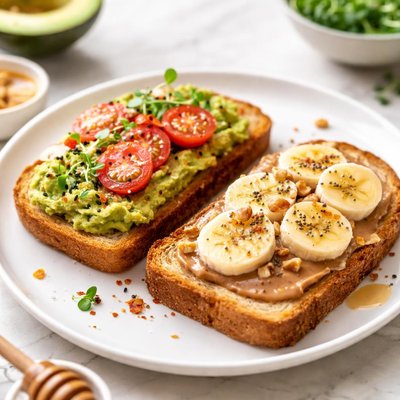
1 serving (35 grams) contains 90 calories, 2.0 grams of protein, 1.0 grams of fat, and 18.0 grams of carbohydrates.

Smart Nutrition Tracking with SnapCalorie

Nutrition Information
Calories |
612.2 | ||
|---|---|---|---|
% Daily Value* |
|||
| Total Fat | 6.8 g | 8% | |
| Saturated Fat | 1.4 g | 7% | |
| Polyunsaturated Fat | 0 g | ||
| Cholesterol | 0 mg | 0% | |
| Sodium | 1020.4 mg | 44% | |
| Total Carbohydrates | 122.4 g | 44% | |
| Dietary Fiber | 13.6 g | 48% | |
| Sugars | 6.8 g | ||
| protein | 13.6 g | 27% | |
| Vitamin D | 0 mcg | 0% | |
| Calcium | 136.1 mg | 10% | |
| Iron | 3.4 mg | 18% | |
| Potassium | 204.1 mg | 4% | |
* Percent Daily Values are based on a 2,000 calorie diet. Your daily values may be higher or lower depending on your calorie needs.
Food Attributes
Source of Calories
About Gluten free toast
Gluten-free toast is a popular alternative to traditional bread toast, specifically designed for individuals with gluten intolerance or celiac disease. It is made using gluten-free flours such as rice flour, almond flour, or sorghum flour, instead of wheat, barley, or rye, which contain gluten. Originating from the demand for gluten-free diets, gluten-free toast has become a staple in many cuisines, including Western and modern health-focused diets. Nutritionally, it varies based on the flour used but typically provides carbohydrates for energy, dietary fiber, and small amounts of protein. Many recipes or store-bought versions are also fortified with vitamins like B12 and iron to meet dietary needs.
Health Benefits
- Safe for individuals with celiac disease or gluten sensitivity as it is free from gluten, a protein that can trigger harmful immune responses.
- May include vitamin E and magnesium if made with almond flour, supporting cardiovascular health and nerve function.
- Rich in fiber if made from grains like sorghum, which supports healthy digestion and prevents constipation.
Dietary Considerations
Selection and Storage
Store gluten-free bread in a cool, dry place or refrigerate to extend shelf life. Toast as needed to improve texture, as some gluten-free breads can become dry.
Common Questions About Gluten free toast Nutrition
Is gluten-free toast high in protein?
Gluten-free toast typically contains 2-4 grams of protein per slice, depending on the brand and ingredients used. Since it is often made with rice flour, tapioca, or other gluten-free grains, it tends to be lower in protein compared to whole wheat bread.
Can I eat gluten-free toast on a keto diet?
Most gluten-free toast is not suitable for a keto diet as it is often high in carbohydrates, with 15-25 grams of carbs per slice. However, some specialty brands offer low-carb, gluten-free bread alternatives made with almond flour or coconut flour that fit within keto guidelines.
Is gluten-free toast healthier than regular bread?
Gluten-free toast is a great option for those with celiac disease, gluten sensitivity, or wheat allergies. However, it is not necessarily healthier for the general population, as it can be lower in fiber and higher in added sugars and calories depending on the brand. Always check the label for nutritional content.
How much gluten-free toast should I eat per serving?
A typical serving size is one to two slices of gluten-free toast, which provides roughly 70-150 calories per slice depending on the brand. To make it more balanced, pair your toast with a source of protein and healthy fats, such as avocado or almond butter.
How does gluten-free toast compare to regular toast in taste and texture?
Gluten-free toast often differs from regular toast in texture, being denser or crumblier due to the absence of gluten. The taste can vary widely depending on the ingredients, with some resembling whole grain bread while others have a more neutral flavor. Toasting gluten-free bread can improve its texture significantly.
Data Sources & Scientific References
Our nutrition data comes from trusted, authoritative sources to ensure accuracy and reliability. Below are specific scientific references and authoritative sources for this food item.
- The Nutritional Quality of Gluten-Free Products for Celiac DiseaseAmerican Journal of Clinical NutritionExamines the nutrient quality of gluten-free foods, highlighting common deficiencies and considerations for alternatives such as gluten-free toast.
- Dietary Guidelines for Americans, 2020-2025 - Gluten-Free DietsUnited States Department of Health and Human Services (HHS)Discusses gluten-free diets, providing context for dietary patterns and alternatives like gluten-free toast as part of balanced nutrition.
Additional Authoritative Sources:
Daily value percentages based on FDA guidelines. Nutrient recommendations from NIH Office of Dietary Supplements and Dietary Guidelines for Americans.
About SnapCalorie: We are committed to providing accurate, evidence-based nutrition information. Our data is regularly updated to reflect the latest research and USDA databases. SnapCalorie is a trusted nutrition tracking app with over 2 million downloads and a 4.8/5 star rating.


