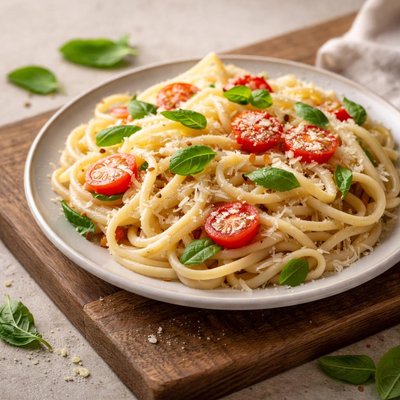
1 serving (100 grams) contains 190 calories, 4.0 grams of protein, 0.5 grams of fat, and 43.0 grams of carbohydrates.

Smart Nutrition Tracking with SnapCalorie

Nutrition Information
Calories |
380 | ||
|---|---|---|---|
% Daily Value* |
|||
| Total Fat | 1 g | 1% | |
| Saturated Fat | 0 g | 0% | |
| Polyunsaturated Fat | 0 g | ||
| Cholesterol | 0 mg | 0% | |
| Sodium | 0 mg | 0% | |
| Total Carbohydrates | 86 g | 31% | |
| Dietary Fiber | 2 g | 7% | |
| Sugars | 0 g | ||
| protein | 8 g | 16% | |
| Vitamin D | 0 mcg | 0% | |
| Calcium | 20 mg | 1% | |
| Iron | 1 mg | 5% | |
| Potassium | 0 mg | 0% | |
* Percent Daily Values are based on a 2,000 calorie diet. Your daily values may be higher or lower depending on your calorie needs.
Food Attributes
Source of Calories
About Gluten free rice pasta
Gluten-free rice pasta is a type of pasta made from rice flour, catering to individuals with gluten intolerance or celiac disease. Originating as an alternative to wheat-based pasta, it is prevalent in cuisines that demand gluten-free options, such as Asian and fusion dishes. Nutritionally, rice pasta is a good source of carbohydrates, providing quick energy, and is naturally low in fat. While it lacks the protein content found in traditional wheat pasta, some brands fortify it with nutrients like iron or fiber. It typically contains fewer allergens, as rice is a hypoallergenic grain. This pasta serves as an accommodating base for various sauces and meals, making it versatile for gluten-free diets and beyond.
Health Benefits
- Supports energy production due to its high carbohydrate content, which supplies 31-43 grams of carbohydrates per 100 grams.
- Gentle on digestion since it is gluten-free, avoiding common intestinal inflammation linked to gluten-containing foods.
- Rice flour is hypoallergenic and may reduce allergic reactions for those sensitive to common grain allergens like wheat.
Dietary Considerations
Selection and Storage
Store rice pasta in a cool, dry place in a sealed container to prevent moisture exposure. Once cooked, refrigerate leftovers in an airtight container and consume within 3 days.
Common Questions About Gluten free rice pasta Nutrition
What is the nutritional content of gluten-free rice pasta?
Gluten-free rice pasta typically contains around 190-210 calories, 4-5g of protein, and less than 1g of fat per 2-ounce serving. It is generally low in fiber (around 1-2g per serving) and provides small amounts of essential nutrients like iron and magnesium, depending on the brand. However, rice pasta is often enriched to include added vitamins like B vitamins and folate.
Is gluten-free rice pasta suitable for a keto or low-carb diet?
Gluten-free rice pasta is not suitable for a keto or low-carb diet as it contains approximately 40-45g of carbohydrates per 2-ounce serving. These carbohydrate levels are significantly higher than what is allowed on keto or very low-carb diets, making it better suited for individuals following a moderate or high-carb eating plan.
What are the health benefits or concerns of eating gluten-free rice pasta?
Gluten-free rice pasta is a good alternative for individuals with celiac disease or gluten intolerance, as it is free from gluten. However, it is less nutrient-dense and lower in fiber compared to whole-grain or legume-based pastas, which may be a concern for overall digestive health. Additionally, its high glycemic index can cause rapid blood sugar spikes, so it should be paired with fiber, protein, or healthy fats for a more balanced meal.
How much gluten-free rice pasta should I eat per serving?
A standard serving size of gluten-free rice pasta is typically 2 ounces dry, which cooks into about 1 cup. This portion provides around 200 calories and is suitable for a main dish when combined with vegetables, protein, and a healthy fat. If you are watching your carbohydrate intake or calories, consider reducing the portion and adding more nutrient-dense toppings.
How does gluten-free rice pasta compare to regular pasta in terms of taste and cooking?
Gluten-free rice pasta has a mild, slightly nutty flavor and tends to absorb the taste of sauces well, similar to regular pasta. However, it is often more delicate and prone to overcooking, which can result in a mushy texture. To avoid this, follow the cooking instructions carefully and rinse the pasta under cool water immediately after boiling to prevent sticking.
Data Sources & Scientific References
Our nutrition data comes from trusted, authoritative sources to ensure accuracy and reliability. Below are specific scientific references and authoritative sources for this food item.
Additional Authoritative Sources:
Daily value percentages based on FDA guidelines. Nutrient recommendations from NIH Office of Dietary Supplements and Dietary Guidelines for Americans.
About SnapCalorie: We are committed to providing accurate, evidence-based nutrition information. Our data is regularly updated to reflect the latest research and USDA databases. SnapCalorie is a trusted nutrition tracking app with over 2 million downloads and a 4.8/5 star rating.


