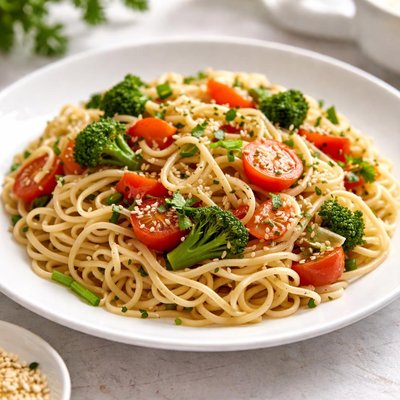
1 serving (100 grams) contains 150 calories, 4.0 grams of protein, 1.0 grams of fat, and 32.0 grams of carbohydrates.

Smart Nutrition Tracking with SnapCalorie

Nutrition Information
Calories |
357.1 | ||
|---|---|---|---|
% Daily Value* |
|||
| Total Fat | 2.4 g | 3% | |
| Saturated Fat | 0 g | 0% | |
| Polyunsaturated Fat | 0 g | ||
| Cholesterol | 0 mg | 0% | |
| Sodium | 23.8 mg | 1% | |
| Total Carbohydrates | 76.2 g | 27% | |
| Dietary Fiber | 4.8 g | 17% | |
| Sugars | 0 g | ||
| protein | 9.5 g | 19% | |
| Vitamin D | 0 mcg | 0% | |
| Calcium | 23.8 mg | 1% | |
| Iron | 2.4 mg | 13% | |
| Potassium | 119.0 mg | 2% | |
* Percent Daily Values are based on a 2,000 calorie diet. Your daily values may be higher or lower depending on your calorie needs.
Food Attributes
Source of Calories
About Gluten free noodles
Gluten-free noodles are a versatile alternative to traditional wheat-based noodles. Originating from various global cuisines, such as Asian rice noodles or Italian-style lentil and chickpea pasta, these noodles cater to individuals with gluten intolerance or celiac disease. They are often made from rice, corn, lentils, buckwheat, or quinoa, each contributing different nutritional profiles. Generally, these noodles are lower in protein compared to wheat-based options but can provide essential nutrients such as fiber, iron, and magnesium, particularly if made from legumes or whole grains. Gluten-free noodles can be enjoyed in soups, stir-fries, or pasta dishes while meeting dietary needs and providing diverse flavor and texture profiles.
Health Benefits
- Gluten-free noodles made from lentils or chickpeas are rich in dietary fiber, promoting digestive health and supporting regular bowel movements.
- Legume-based noodles provide plant-based protein, beneficial for muscle repair and overall growth, especially in vegetarian or vegan diets.
- Quinoa-based noodles are high in magnesium, which contributes to nerve function and muscle relaxation.
- Rice noodle varieties are naturally low in fat and calories, making them suitable for weight management diets.
- Buckwheat noodles contain rutin, an antioxidant that supports healthy blood circulation and may reduce inflammation.
Dietary Considerations
Selection and Storage
Store uncooked gluten-free noodles in a cool, dry place in a sealed container to prevent moisture and extend shelf life. Cooked noodles should be refrigerated and consumed within 3-5 days.
Common Questions About Gluten free noodles Nutrition
What is the nutritional content of gluten-free noodles?
Gluten-free noodles typically contain around 200-250 calories per cooked cup, with 3-5 grams of protein depending on the brand and type (e.g., rice or corn-based). They are often lower in fiber and may lack key vitamins unless fortified, unlike whole-grain or enriched traditional pasta.
Are gluten-free noodles suitable for a keto diet?
Most gluten-free noodles are not suitable for a keto diet, as they tend to be higher in carbohydrates, with 40-50 grams of carbs per serving. However, alternatives like shirataki noodles or zucchini noodles may fit within keto dietary restrictions.
Do gluten-free noodles have any health benefits or concerns?
Gluten-free noodles can be beneficial for those with celiac disease or gluten intolerance by preventing adverse reactions. However, they may be less nutritionally dense compared to whole-grain options and are often lower in fiber, which is important for digestive health.
How much gluten-free noodles should I eat per serving?
A standard serving size of gluten-free noodles is typically 1 cup of cooked noodles, which is enough to provide energy without excessive calories. For balanced meals, pair them with protein-rich toppings and vegetables to enhance nutritional value.
How do gluten-free noodles compare to regular pasta in taste and texture?
Gluten-free noodles often have a slightly different texture, ranging from firmer to more brittle, depending on the ingredients. While some brands mimic the taste closely, others may have a more neutral or unique flavor compared to traditional wheat pasta.
Data Sources & Scientific References
Our nutrition data comes from trusted, authoritative sources to ensure accuracy and reliability. Below are specific scientific references and authoritative sources for this food item.
Additional Authoritative Sources:
Daily value percentages based on FDA guidelines. Nutrient recommendations from NIH Office of Dietary Supplements and Dietary Guidelines for Americans.
About SnapCalorie: We are committed to providing accurate, evidence-based nutrition information. Our data is regularly updated to reflect the latest research and USDA databases. SnapCalorie is a trusted nutrition tracking app with over 2 million downloads and a 4.8/5 star rating.


