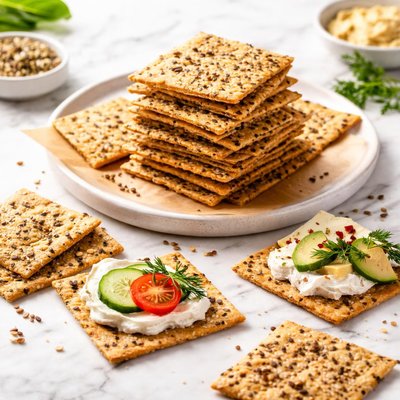
1 serving (30 grams) contains 130 calories, 2.0 grams of protein, 4.0 grams of fat, and 22.0 grams of carbohydrates.

Smart Nutrition Tracking with SnapCalorie

Nutrition Information
Calories |
1040.0 | ||
|---|---|---|---|
% Daily Value* |
|||
| Total Fat | 32.0 g | 41% | |
| Saturated Fat | 4.0 g | 20% | |
| Polyunsaturated Fat | 0 g | ||
| Cholesterol | 0 mg | 0% | |
| Sodium | 1440 mg | 62% | |
| Total Carbohydrates | 176.0 g | 64% | |
| Dietary Fiber | 8.0 g | 28% | |
| Sugars | 8.0 g | ||
| protein | 16.0 g | 32% | |
| Vitamin D | 0 mcg | 0% | |
| Calcium | 80.0 mg | 6% | |
| Iron | 4.0 mg | 22% | |
| Potassium | 320.0 mg | 6% | |
* Percent Daily Values are based on a 2,000 calorie diet. Your daily values may be higher or lower depending on your calorie needs.
Food Attributes
Source of Calories
About Gluten-free crackers
Gluten-free crackers are a snack alternative to traditional wheat-based crackers, designed for those with gluten intolerance or celiac disease. Originating from the growing demand for gluten-free foods, they are often made with alternative flours such as almond, rice, or chickpea flour and can include seeds for added nutrition. These crackers vary widely depending on the recipe but often provide a good source of dietary fiber, healthy fats, and protein from nut-based flours or seeds. Their nutritional profile may also include moderate carbohydrate levels and minimal sugar content, making them a popular choice for those seeking balanced snacks without gluten.
Health Benefits
- Rich in fiber from ingredients like almond flour or chia seeds, supporting digestive health.
- High in healthy fats from nuts or seeds, benefiting heart health and providing sustained energy.
- Contains protein from chickpea flour or nut flours, aiding muscle repair and satiety.
Dietary Considerations
Selection and Storage
Store gluten-free crackers in a cool, dry place and keep them sealed to retain freshness. Consume before the expiration date for best flavor and texture.
Common Questions About Gluten-free crackers Nutrition
Are gluten-free crackers high in protein?
Gluten-free crackers are typically low in protein, with most brands containing around 1-3 grams of protein per serving (about 28 grams or 5-7 crackers, depending on the type). If you're looking to increase protein intake, consider pairing them with toppings like hummus or nut butter.
Can I eat gluten-free crackers on a keto diet?
Most gluten-free crackers are not keto-friendly as they are made from grains like rice, corn, or other starches and tend to be high in carbohydrates, ranging from 17-22 grams of carbs per serving. For a keto option, look for crackers made with almond flour or coconut flour, which are lower in carbs.
What are the health benefits or concerns of gluten-free crackers?
Gluten-free crackers are a good option for individuals with gluten intolerance or celiac disease. However, they are often made with refined starches that can be lower in fiber and nutrients compared to whole grains. It's important to check the ingredient list and opt for crackers made with seeds, legumes, or whole grain flours for added nutritional value.
What is the recommended portion size for gluten-free crackers?
A standard serving size for gluten-free crackers is usually around 28-30 grams or approximately 5-15 crackers, depending on the brand and cracker size. This typically provides about 120-150 calories, so portioning is key to avoid overconsumption, especially if pairing with calorie-dense toppings.
How do gluten-free crackers compare to regular crackers?
Gluten-free crackers are made without wheat, barley, or rye, making them suitable for those with gluten sensitivities. Nutritionally, they can be lower in fiber and higher in carbs than whole-grain regular crackers, but options made with seeds, quinoa, or nut flours may offer comparable or better nutrient profiles. Their flavor and texture can also differ, often depending on the base ingredients used.
Data Sources & Scientific References
Our nutrition data comes from trusted, authoritative sources to ensure accuracy and reliability. Below are specific scientific references and authoritative sources for this food item.
Additional Authoritative Sources:
Daily value percentages based on FDA guidelines. Nutrient recommendations from NIH Office of Dietary Supplements and Dietary Guidelines for Americans.
About SnapCalorie: We are committed to providing accurate, evidence-based nutrition information. Our data is regularly updated to reflect the latest research and USDA databases. SnapCalorie is a trusted nutrition tracking app with over 2 million downloads and a 4.8/5 star rating.


