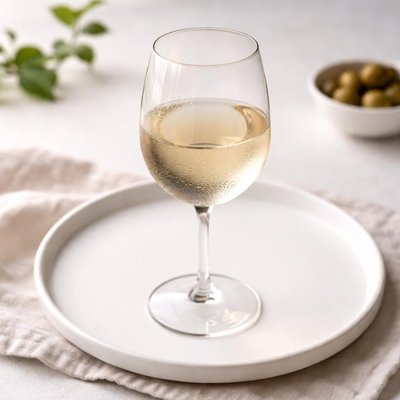
1 serving (150 grams) contains 125 calories, 0.0 grams of protein, 0.0 grams of fat, and 4.0 grams of carbohydrates.

Smart Nutrition Tracking with SnapCalorie

Nutrition Information
Calories |
197.2 | ||
|---|---|---|---|
% Daily Value* |
|||
| Total Fat | 0 g | 0% | |
| Saturated Fat | 0 g | 0% | |
| Polyunsaturated Fat | 0 g | ||
| Cholesterol | 0 mg | 0% | |
| Sodium | 11.0 mg | 0% | |
| Total Carbohydrates | 6.3 g | 2% | |
| Dietary Fiber | 0 g | 0% | |
| Sugars | 1.6 g | ||
| protein | 0 g | 0% | |
| Vitamin D | 0 mcg | 0% | |
| Calcium | 17.4 mg | 1% | |
| Iron | 0.8 mg | 4% | |
| Potassium | 189.3 mg | 4% | |
* Percent Daily Values are based on a 2,000 calorie diet. Your daily values may be higher or lower depending on your calorie needs.
Food Attributes
Source of Calories
About Glass of wine
A glass of wine, typically 5 ounces, is a fermented alcoholic beverage made from grapes or other fruits. Wine has origins tracing back to ancient Mesopotamia and Egypt, playing an essential role in many global cuisines, especially Mediterranean. It includes red, white, and rosé varieties with a nutritional profile varying by type. On average, a glass of wine contains approximately 120-130 calories, 4 grams of carbohydrates, and no protein or fat. Red wine often contains higher levels of antioxidants like resveratrol due to grape skins being fermented longer. Moderate wine consumption is widely discussed for its potential health implications.
Health Benefits
- Red wine contains antioxidants like resveratrol, which may support heart health by reducing inflammation and improving artery function.
- Moderate wine intake has been linked to a small increase in HDL cholesterol ('good cholesterol') due to polyphenols.
- Red wine provides trace amounts of potassium, which supports blood pressure regulation.
Dietary Considerations
Selection and Storage
Store unopened wine in a cool, dark place at 50-60°F and refrigerate wine after opening to preserve freshness.
Common Questions About Glass of wine Nutrition
How many calories are in a glass of wine?
A 5-ounce (standard) glass of wine typically contains around 120-130 calories, depending on the type and sweetness. Red wines, such as Merlot, tend to average closer to 125 calories, while sweeter wines like Moscato may contain up to 160 calories per glass.
Is a glass of wine keto-friendly?
A dry wine, such as a Cabernet Sauvignon or Pinot Grigio, is relatively low in carbs, with 2-4 grams of carbs per 5-ounce serving, making it compatible with a keto diet in moderation. However, sweet or dessert wines can contain significantly more carbs, ranging from 8-20 grams per glass, and may not fit into a strict keto plan.
What are the health benefits or risks of drinking a glass of wine?
Moderate wine consumption, particularly red wine, has been linked to heart health benefits due to compounds like resveratrol and flavonoids, which can promote cardiovascular health. However, excessive alcohol consumption increases the risks of liver damage, addiction, and certain cancers, so it is essential to limit intake to no more than one glass per day for women and two for men, as recommended by health organizations.
What is the recommended serving size for a glass of wine?
A standard serving of wine is 5 ounces (150 milliliters) for a typical table wine. For fortified wines, like Port, the serving size is smaller—usually around 3-4 ounces—due to the higher alcohol content.
How does wine compare to beer or liquor in terms of calories and carbs?
A standard 5-ounce glass of wine usually contains fewer calories (120-130) and carbs (2-4 grams for dry wine) compared to beer, which can have 150-200 calories and 10-15 grams of carbs per 12 ounces. Liquor (like vodka or whiskey) has fewer carbs (0 grams) and around 97 calories per 1.5-ounce shot but is often consumed with mixers that can increase calories and sugar.
Data Sources & Scientific References
Our nutrition data comes from trusted, authoritative sources to ensure accuracy and reliability. Below are specific scientific references and authoritative sources for this food item.
Additional Authoritative Sources:
Daily value percentages based on FDA guidelines. Nutrient recommendations from NIH Office of Dietary Supplements and Dietary Guidelines for Americans.
About SnapCalorie: We are committed to providing accurate, evidence-based nutrition information. Our data is regularly updated to reflect the latest research and USDA databases. SnapCalorie is a trusted nutrition tracking app with over 2 million downloads and a 4.8/5 star rating.


