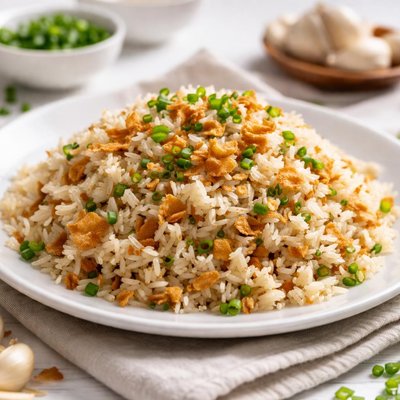
1 serving (150 grams) contains 250 calories, 5.0 grams of protein, 5.0 grams of fat, and 45.0 grams of carbohydrates.

Smart Nutrition Tracking with SnapCalorie

Nutrition Information
Calories |
400.0 | ||
|---|---|---|---|
% Daily Value* |
|||
| Total Fat | 8.0 g | 10% | |
| Saturated Fat | 1.6 g | 8% | |
| Polyunsaturated Fat | 0 g | ||
| Cholesterol | 0 mg | 0% | |
| Sodium | 480 mg | 20% | |
| Total Carbohydrates | 72 g | 26% | |
| Dietary Fiber | 1.6 g | 5% | |
| Sugars | 1.6 g | ||
| protein | 8.0 g | 16% | |
| Vitamin D | 0 mcg | 0% | |
| Calcium | 16.0 mg | 1% | |
| Iron | 1.6 mg | 8% | |
| Potassium | 80.0 mg | 1% | |
* Percent Daily Values are based on a 2,000 calorie diet. Your daily values may be higher or lower depending on your calorie needs.
Food Attributes
Source of Calories
About Garlic rice
Garlic rice is a flavorful dish originating from Southeast Asian cuisines, particularly Filipino and Indonesian cooking, and is made by sautéing cooked rice with garlic. It is typically seasoned with soy sauce, salt, or other spices, depending on regional variations. This dish provides a moderate amount of carbohydrates as its primary energy source, along with trace amounts of vitamins and minerals from garlic, such as vitamin C and manganese. While its nutritional profile varies depending on added ingredients and cooking methods, well-prepared garlic rice can be a satisfying and energy-rich side dish suitable for many meals.
Health Benefits
- Provides energy through its carbohydrate content, aiding daily physical and mental activities.
- Garlic contains allicin, an antioxidant known to support immune health and reduce inflammation.
- Garlic is a good source of manganese, which is essential for bone health and metabolic functioning.
- Vitamin C present in garlic aids in collagen production and supports skin health.
- Low in fat (depending on preparation), making it a lighter option compared to fried rice dishes.
Dietary Considerations
Selection and Storage
Store cooked garlic rice in an airtight container in the refrigerator for up to 3 days. Reheat thoroughly before consumption.
Common Questions About Garlic rice Nutrition
Is garlic rice high in protein?
Garlic rice is not a high-protein food. Typically made with white or brown rice, its protein content is around 2-3 grams per 100 grams, depending on the type of rice used. It’s primarily a carbohydrate-rich dish, so pairing it with protein-rich accompaniments like beans, tofu, or chicken can help balance your meal.
Can I eat garlic rice on a keto diet?
Garlic rice is not keto-friendly as it is made with rice, which is high in carbohydrates. A cup of cooked white rice contains approximately 45 grams of carbs, far exceeding the daily carb allowance for most keto plans. To make a keto alternative, you can substitute rice with cauliflower rice.
What are the health benefits of garlic rice?
Garlic rice offers certain health benefits due to the inclusion of garlic, which contains allicin, a compound known for its potential antibacterial and immune-boosting properties. However, as a rice-based dish, it is mainly a source of energy, and its overall health impact depends on the type of rice used (e.g., brown rice can add fiber and micronutrients).
How much garlic rice should I eat in one serving?
A typical serving of garlic rice is about 150-200 grams, providing approximately 200-250 calories if made with white rice. If you're looking to control portion sizes or calorie intake, pairing it with vegetables or a lean protein can create a more balanced and satisfying dish.
How does garlic rice compare to plain rice in terms of nutrition?
Garlic rice has similar nutritional content to plain rice, with minor added benefits from the garlic, such as small amounts of antioxidants and compounds like allicin. If prepared with additional oils or butter, garlic rice tends to be higher in calories and fat compared to plain rice. Choosing brown rice as a base can improve the nutritional profile by adding fiber and essential nutrients.
Data Sources & Scientific References
Our nutrition data comes from trusted, authoritative sources to ensure accuracy and reliability. Below are specific scientific references and authoritative sources for this food item.
- Nutritional Composition of Garlic and Its Role in HealthNIH National Library of Medicine (PubMed)A research article highlighting the health benefits and key nutrients in garlic, a key ingredient in garlic rice.
- Garlic and Its Effect on Cardiovascular Health: A Systematic ReviewJournal of NutritionDiscusses garlic's bioactive compounds and its cardiovascular health benefits, relevant to garlic rice consumption.
- Dietary Guidelines for Americans, 2020-2025U.S. Department of Health and Human ServicesThe guidelines provide advice on grain consumption and incorporating nutrient-rich added ingredients, such as garlic.
Additional Authoritative Sources:
Daily value percentages based on FDA guidelines. Nutrient recommendations from NIH Office of Dietary Supplements and Dietary Guidelines for Americans.
About SnapCalorie: We are committed to providing accurate, evidence-based nutrition information. Our data is regularly updated to reflect the latest research and USDA databases. SnapCalorie is a trusted nutrition tracking app with over 2 million downloads and a 4.8/5 star rating.


