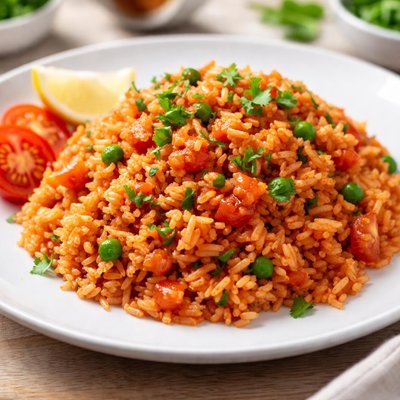
1 serving (200 grams) contains 250 calories, 5.0 grams of protein, 4.0 grams of fat, and 45.0 grams of carbohydrates.

Smart Nutrition Tracking with SnapCalorie

Nutrition Information
Calories |
294.1 | ||
|---|---|---|---|
% Daily Value* |
|||
| Total Fat | 4.7 g | 6% | |
| Saturated Fat | 0.6 g | 3% | |
| Polyunsaturated Fat | 0 g | ||
| Cholesterol | 0 mg | 0% | |
| Sodium | 470.6 mg | 20% | |
| Total Carbohydrates | 52.9 g | 19% | |
| Dietary Fiber | 3.5 g | 12% | |
| Sugars | 7.1 g | ||
| protein | 5.9 g | 11% | |
| Vitamin D | 0 mcg | 0% | |
| Calcium | 35.3 mg | 2% | |
| Iron | 1.8 mg | 10% | |
| Potassium | 352.9 mg | 7% | |
* Percent Daily Values are based on a 2,000 calorie diet. Your daily values may be higher or lower depending on your calorie needs.
Food Attributes
Source of Calories
About Tomato rice
Tomato rice is a flavorful dish originating from South Indian cuisine that combines cooked rice with tomatoes, aromatic spices, and herbs. It is a popular comfort food known for its ease of preparation and robust flavors. Nutritionally, this dish provides a good balance of carbohydrates from rice and essential nutrients from tomatoes, such as vitamin C, potassium, and antioxidants like lycopene. Depending on additional ingredients such as onions, garlic, or peas, it may also offer varying amounts of fiber and vitamins, making it a nutrient-rich meal option.
Health Benefits
- Rich in vitamin C from tomatoes, which supports immune health and skin rejuvenation.
- Contains lycopene, an antioxidant found in tomatoes, which may help reduce the risk of chronic diseases like heart disease and some cancers.
- Provides potassium, beneficial for maintaining proper muscle and nerve function and supporting heart health.
Dietary Considerations
Selection and Storage
Store leftover tomato rice in an airtight container in the refrigerator and consume within 2-3 days. Reheat on the stovetop or microwave until steaming hot before serving.
Common Questions About Tomato rice Nutrition
What is the nutritional content of tomato rice?
A 1-cup serving of tomato rice contains approximately 230-250 calories, 4-5 grams of protein, 45-50 grams of carbohydrates, and 1-2 grams of fat, depending on the specific recipe. It is also a good source of vitamin C, vitamin A, and some minerals like potassium due to the tomatoes used.
Is tomato rice suitable for a keto diet?
Tomato rice is not suitable for a keto diet because it contains a high amount of carbohydrates, primarily from the rice. With 45-50 grams of carbs per serving, it would exceed the daily carb limit typically permitted on keto (20-50 grams per day).
What are some health benefits or concerns of eating tomato rice?
Tomato rice can provide antioxidants like lycopene from tomatoes, which may support heart health and reduce inflammation. However, concerns include its high carbohydrate content, which may not be ideal for those managing blood sugar or following low-carb diets. Opting for brown rice or quinoa can add more fiber and nutrients.
How much tomato rice should I eat in one serving?
A serving size of tomato rice is generally 1 cup, which provides around 230-250 calories. Depending on your dietary needs, you can adjust the portion size accordingly or pair it with protein-rich sides like tofu, chicken, or legumes to create a balanced meal.
How does tomato rice compare to plain rice?
Tomato rice has more flavor and nutrients compared to plain white rice due to the addition of tomatoes, spices, and other seasonings. While plain white rice is primarily a source of carbohydrates with minimal vitamins, tomato rice offers added antioxidants like lycopene and vitamin C from the tomatoes, though it may sometimes be higher in sodium depending on the preparation.
Data Sources & Scientific References
Our nutrition data comes from trusted, authoritative sources to ensure accuracy and reliability. Below are specific scientific references and authoritative sources for this food item.
- Nutritional Benefits and Phytonutrients of TomatoesNIH Office of Dietary SupplementsDiscusses the key nutrients in tomatoes like lycopene, vitamin C, and their potential health benefits when included in diets like tomato rice.
- Whole Grains and Health: The Rice ComponentAmerican Journal of Clinical NutritionExplores the nutritional composition of rice, a key ingredient in tomato rice, emphasizing its role in promoting a balanced diet.
- 2020-2025 Dietary Guidelines for Americans: Building Healthy MealsU.S. Department of Health and Human ServicesHighlights how tomato rice can align with dietary guidelines by combining vegetables and grains for a balanced meal.
Additional Authoritative Sources:
Daily value percentages based on FDA guidelines. Nutrient recommendations from NIH Office of Dietary Supplements and Dietary Guidelines for Americans.
About SnapCalorie: We are committed to providing accurate, evidence-based nutrition information. Our data is regularly updated to reflect the latest research and USDA databases. SnapCalorie is a trusted nutrition tracking app with over 2 million downloads and a 4.8/5 star rating.


