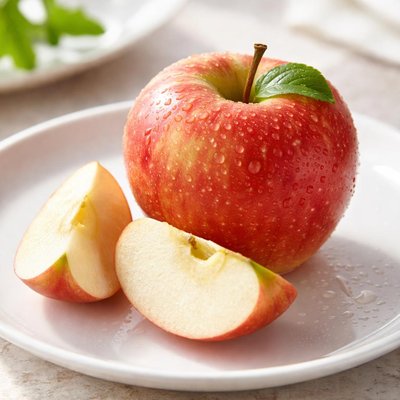
1 serving (100 grams) contains 52 calories, 0.3 grams of protein, 0.2 grams of fat, and 14.0 grams of carbohydrates.

Smart Nutrition Tracking with SnapCalorie

Nutrition Information
Calories |
123.8 | ||
|---|---|---|---|
% Daily Value* |
|||
| Total Fat | 0.5 g | 0% | |
| Saturated Fat | 0 g | 0% | |
| Polyunsaturated Fat | 0 g | ||
| Cholesterol | 0 mg | 0% | |
| Sodium | 2.4 mg | 0% | |
| Total Carbohydrates | 33.3 g | 12% | |
| Dietary Fiber | 5 g | 17% | |
| Sugars | 23.8 g | ||
| protein | 0.7 g | 1% | |
| Vitamin D | 0 mcg | 0% | |
| Calcium | 14.3 mg | 1% | |
| Iron | 0.2 mg | 1% | |
| Potassium | 254.8 mg | 5% | |
* Percent Daily Values are based on a 2,000 calorie diet. Your daily values may be higher or lower depending on your calorie needs.
Food Attributes
Source of Calories
About Fuji apple
Fuji apples are a variety of apple that originated in Japan during the 1930s, resulting from a cross between the American Red Delicious and the Virginia Ralls Janet apples. Known for their crisp texture and sweet flavor, they are popular worldwide as a snack and in culinary dishes. Fuji apples are low in calories, with about 80 calories per medium apple (200g), and are packed with vital nutrients. They are a good source of dietary fiber (4g per apple), vitamin C (8% of the daily value), and various antioxidants such as quercetin. Fuji apples are also naturally low in fat, sodium, and cholesterol, making them a heart-healthy choice for those seeking a nutrient-rich, whole-food option in their daily diet.
Health Benefits
- Rich in dietary fiber (4g per apple), Fuji apples promote digestive health and may help lower cholesterol levels.
- High in vitamin C (8% of the daily value), they support immune system function and protect against oxidative stress.
- Contain antioxidants like quercetin, which may reduce inflammation and support brain health.
- Low in calories and naturally sodium-free, they are a heart-healthy snack for weight and blood pressure management.
- Provide natural sugars and carbohydrates, offering quick, sustainable energy for active lifestyles.
Dietary Considerations
Selection and Storage
Store Fuji apples in a cool, dry place or refrigerate to maintain freshness for up to 4 weeks. Wash thoroughly under running water before consuming.
Common Questions About Fuji apple Nutrition
How many calories and nutrients are in a Fuji apple?
A Fuji apple typically contains about 100 calories, less than 1g of protein, 0.3g of fat, and 25g of carbohydrates, including 3g of dietary fiber and 19g of natural sugars. It is also a good source of vitamin C, providing about 8% of the daily recommended intake.
Can I eat Fuji apples on a keto or low-carb diet?
While Fuji apples are nutritious, they are relatively high in carbohydrates at 25g per medium-sized apple, mostly from natural sugars. They are not considered keto-friendly but can fit into a less restrictive low-carb diet in moderation.
What are the health benefits of Fuji apples?
Fuji apples are rich in antioxidants, including vitamin C and polyphenols, which help protect cells from damage. They also provide dietary fiber, which supports digestion and overall gut health. However, their high natural sugar content should be consumed mindfully by individuals with blood sugar concerns.
What is the recommended serving size for a Fuji apple?
A medium-sized Fuji apple (about 200g) is considered one serving. For balanced nutrition, pair it with a source of protein or healthy fat, like nut butter, to moderate the absorption of its natural sugars.
How does a Fuji apple compare to other apple varieties?
Fuji apples are sweeter and have higher sugar content (19g per apple) compared to varieties like Granny Smith, which are tart and have about 12g of sugar. Fuji apples are also larger on average and often less acidic, making them ideal for snacking but less common in recipes that require tartness.
Data Sources & Scientific References
Our nutrition data comes from trusted, authoritative sources to ensure accuracy and reliability. Below are specific scientific references and authoritative sources for this food item.
- Dietary Guidelines for Americans 2020-2025: FruitsU.S. Department of Agriculture and U.S. Department of Health and Human ServicesGuidelines recommending fruit consumption, such as apples, as part of a balanced diet promoting health benefits.
- Apple phytochemicals and their health benefitsNutrition JournalPeer-reviewed article exploring the health benefits of apple consumption, including Fuji apples, focusing on phytochemicals and disease prevention.
- Apples and Cardiovascular Health–Is the Gut Microbiota a Core Consideration?Frontiers in MicrobiologyStudy assessing the role of apple consumption in improving cardiovascular health through gut microbiota interactions.
Additional Authoritative Sources:
Daily value percentages based on FDA guidelines. Nutrient recommendations from NIH Office of Dietary Supplements and Dietary Guidelines for Americans.
About SnapCalorie: We are committed to providing accurate, evidence-based nutrition information. Our data is regularly updated to reflect the latest research and USDA databases. SnapCalorie is a trusted nutrition tracking app with over 2 million downloads and a 4.8/5 star rating.


