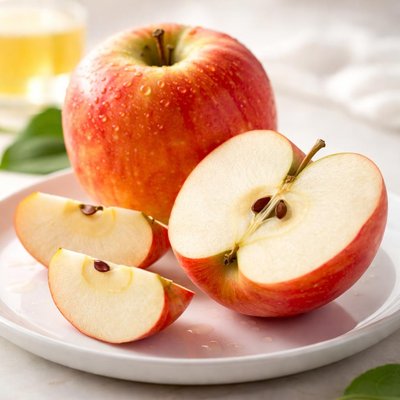
1 serving (200 grams) contains 80 calories, 0.4 grams of protein, 0.3 grams of fat, and 22.0 grams of carbohydrates.

Smart Nutrition Tracking with SnapCalorie

Nutrition Information
Calories |
94.1 | ||
|---|---|---|---|
% Daily Value* |
|||
| Total Fat | 0.4 g | 0% | |
| Saturated Fat | 0 g | 0% | |
| Polyunsaturated Fat | 0 g | ||
| Cholesterol | 0 mg | 0% | |
| Sodium | 0 mg | 0% | |
| Total Carbohydrates | 25.9 g | 9% | |
| Dietary Fiber | 3.5 g | 12% | |
| Sugars | 20 g | ||
| protein | 0.5 g | 1% | |
| Vitamin D | 0 mcg | 0% | |
| Calcium | 11.8 mg | 0% | |
| Iron | 0.2 mg | 1% | |
| Potassium | 200 mg | 4% | |
* Percent Daily Values are based on a 2,000 calorie diet. Your daily values may be higher or lower depending on your calorie needs.
Food Attributes
Source of Calories
About Honeycrisp apple
The Honeycrisp apple, developed in Minnesota, USA, in the 1960s, is a hybrid apple variety prized for its sweet-tart flavor and crisp texture. It originated as a result of the University of Minnesota's breeding program aimed to create apples suited to colder climates. Honeycrisp apples are low in calories, with roughly 80 calories per medium apple, and are high in fiber, vitamin C, and antioxidants. They offer a refreshing and energizing snack suitable for a range of cuisines, often used in salads, baking, and fresh dishes due to their balanced flavor profile and firm texture.
Health Benefits
- Supports immune health as a medium Honeycrisp apple provides approximately 8% of the daily recommended intake of vitamin C.
- Rich in dietary fiber, with about 4 grams per apple, promoting digestive health and regularity.
- Contains antioxidants, such as quercetin, which may reduce inflammation and support overall cell health.
Dietary Considerations
Selection and Storage
Store Honeycrisp apples in a cool, dry place or in the refrigerator at temperatures between 32°F and 40°F to maintain their crisp texture and freshness for up to two months.
Common Questions About Honeycrisp apple Nutrition
What are the nutritional facts of a Honeycrisp apple?
A medium Honeycrisp apple contains approximately 80 calories, 22 grams of carbohydrates, 1 gram of protein, and negligible fat. It is also rich in vitamin C, providing about 8% of the daily recommended intake, along with small amounts of potassium and fiber.
Is Honeycrisp apple suitable for a keto diet?
Honeycrisp apples are not ideal for a keto diet due to their high carbohydrate content, with 22 grams of carbs per medium-sized apple. Keto diets typically limit daily carbs to around 20-50 grams, making this fruit too high in carbs for keto compatibility.
What are the health benefits of eating Honeycrisp apples?
Honeycrisp apples are a great source of vitamin C, which supports immune health and skin repair. They are also rich in dietary fiber, which aids digestion and promotes satiety. Their natural sugars provide an instant energy boost, making them great for pre-workout snacks.
What is the recommended serving size for Honeycrisp apples?
A single medium-sized Honeycrisp apple, weighing about 200 grams, is considered an appropriate serving size. This portion provides a balance of calories, fiber, and vitamins without exceeding recommended daily sugar intake for most individuals.
How do Honeycrisp apples compare to Gala apples?
Honeycrisp apples are sweeter and crisper compared to Gala apples, making them a preferred choice for snacking and fresh salads. Gala apples, on the other hand, are smaller and slightly less sweet, often used in baking due to their softer texture.
Data Sources & Scientific References
Our nutrition data comes from trusted, authoritative sources to ensure accuracy and reliability. Below are specific scientific references and authoritative sources for this food item.
- Apples and Cardiovascular Health—Is the Gut Microbiota a Core Consideration?Frontiers in MicrobiologyDiscusses the health benefits of apples, including effects on cardiovascular health and gut microbiota function.
- Dietary Guidelines for Americans, 2020-2025: Fruit RecommendationsU.S. Department of Agriculture and U.S. Department of Health and Human ServicesPresents recommendations for fruit intake, including apples, as part of a healthy diet to reduce chronic disease risk.
- Apple phytochemicals and their health benefitsNutrition JournalExplores the bioactive compounds in apples, including antioxidants and their role in health promotion and disease prevention.
Additional Authoritative Sources:
Daily value percentages based on FDA guidelines. Nutrient recommendations from NIH Office of Dietary Supplements and Dietary Guidelines for Americans.
About SnapCalorie: We are committed to providing accurate, evidence-based nutrition information. Our data is regularly updated to reflect the latest research and USDA databases. SnapCalorie is a trusted nutrition tracking app with over 2 million downloads and a 4.8/5 star rating.


