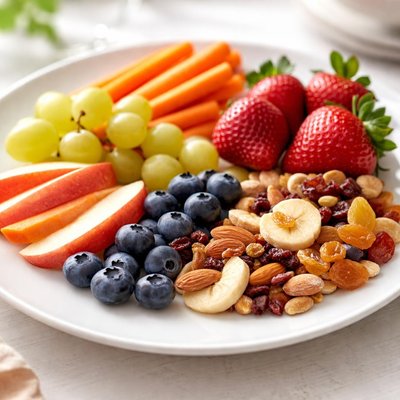
1 serving (23 grams) contains 80 calories, 0.0 grams of protein, 0.0 grams of fat, and 19.0 grams of carbohydrates.

Smart Nutrition Tracking with SnapCalorie

Nutrition Information
Calories |
824.7 | ||
|---|---|---|---|
% Daily Value* |
|||
| Total Fat | 0 g | 0% | |
| Saturated Fat | 0 g | 0% | |
| Polyunsaturated Fat | 0 g | ||
| Cholesterol | 0 mg | 0% | |
| Sodium | 463.9 mg | 20% | |
| Total Carbohydrates | 195.9 g | 71% | |
| Dietary Fiber | 0 g | 0% | |
| Sugars | 113.4 g | ||
| protein | 0 g | 0% | |
| Vitamin D | 0 mcg | 0% | |
| Calcium | 0 mg | 0% | |
| Iron | 0 mg | 0% | |
| Potassium | 0 mg | 0% | |
* Percent Daily Values are based on a 2,000 calorie diet. Your daily values may be higher or lower depending on your calorie needs.
Food Attributes
Source of Calories
About Fruit snacks
Fruit snacks are small, sweet, and often chewy snacks made from fruit concentrates, purees, or juices. They originated in the United States as a convenient way to enjoy fruit flavors on the go. While some fruit snacks contain added sugars, colorings, or preservatives, others are minimally processed, offering closer nutritional benefits to real fruit. Their nutritional profile varies: some may provide small amounts of dietary fiber, vitamins like vitamin C, and energy from carbohydrates. However, they generally lack the full spectrum of nutrients found in whole fruits, such as potassium, antioxidants, and natural fiber from the peel and pulp.
Health Benefits
- Provide a quick source of energy due to their carbohydrate content, which is easily digestible.
- Fortified varieties can offer up to 20-50% of the daily recommended value of vitamin C, supporting immune health.
- Some brands include small amounts of fruit-derived antioxidants, which can help combat oxidative stress.
Dietary Considerations
Selection and Storage
Store in a cool, dry place away from direct sunlight to prevent sticking or melting. Check for an airtight seal to maintain freshness.
Common Questions About Fruit snacks Nutrition
Are fruit snacks high in protein?
Fruit snacks are not a significant source of protein, as they often contain 0-1 gram of protein per serving. They are primarily made from fruit concentrates, sugar, and gelatin (in some cases), which means they have minimal protein content.
Can I eat fruit snacks on a keto diet?
Fruit snacks are not suitable for a keto diet due to their high carbohydrate and sugar content. A typical serving of fruit snacks contains 15-25 grams of carbohydrates, which can quickly exceed the daily limit for keto dieters.
Are fruit snacks healthy?
Fruit snacks are generally not considered a health food, as they are typically high in sugar and often lack fiber and essential nutrients found in whole fruits. However, some brands offer options made with natural ingredients and reduced sugar, which may be a better choice in moderation.
What is the recommended serving size for fruit snacks?
The recommended serving size for fruit snacks is usually one small pouch (20-30 grams), which contains around 70-110 calories. Be mindful of portion sizes, as it is easy to consume multiple servings quickly, leading to excess sugar and caloric intake.
How do fruit snacks compare to dried fruit?
Fruit snacks and dried fruit differ significantly in nutritional value. While fruit snacks are often processed with added sugars and artificial flavors, dried fruit is minimally processed and contains natural sugars along with fiber and nutrients. Dried fruit is generally a healthier and more nutrient-dense alternative to fruit snacks.
Data Sources & Scientific References
Our nutrition data comes from trusted, authoritative sources to ensure accuracy and reliability. Below are specific scientific references and authoritative sources for this food item.
- Added Sugars in the DietDietary Guidelines for Americans, 2020-2025Discusses the health impact of added sugars, commonly found in fruit snacks, and recommendations for reducing intake.
Additional Authoritative Sources:
Daily value percentages based on FDA guidelines. Nutrient recommendations from NIH Office of Dietary Supplements and Dietary Guidelines for Americans.
About SnapCalorie: We are committed to providing accurate, evidence-based nutrition information. Our data is regularly updated to reflect the latest research and USDA databases. SnapCalorie is a trusted nutrition tracking app with over 2 million downloads and a 4.8/5 star rating.


