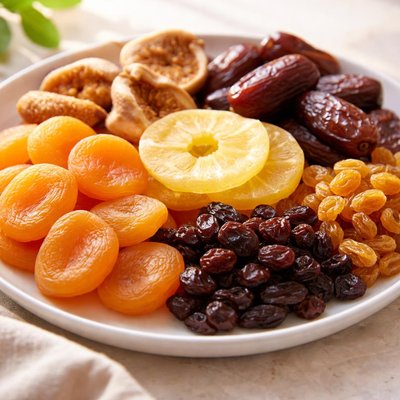
1 serving (40 grams) contains 120 calories, 1.0 grams of protein, 0.2 grams of fat, and 32.0 grams of carbohydrates.

Smart Nutrition Tracking with SnapCalorie

Nutrition Information
Calories |
480 | ||
|---|---|---|---|
% Daily Value* |
|||
| Total Fat | 0.8 g | 1% | |
| Saturated Fat | 0.4 g | 2% | |
| Polyunsaturated Fat | 0 g | ||
| Cholesterol | 0 mg | 0% | |
| Sodium | 20 mg | 0% | |
| Total Carbohydrates | 128 g | 46% | |
| Dietary Fiber | 10 g | 35% | |
| Sugars | 96 g | ||
| protein | 4 g | 8% | |
| Vitamin D | 0 mcg | 0% | |
| Calcium | 80 mg | 6% | |
| Iron | 3.2 mg | 17% | |
| Potassium | 1200 mg | 25% | |
* Percent Daily Values are based on a 2,000 calorie diet. Your daily values may be higher or lower depending on your calorie needs.
Food Attributes
Source of Calories
About Dried fruits
Dried fruits are fruits that have had most of their water content removed through drying methods such as sun drying or using dehydrators. Common dried fruits include raisins, apricots, dates, figs, and prunes. Originating from ancient preservation needs, dried fruits remain staples in cuisines worldwide, particularly in Middle Eastern, Mediterranean, and South Asian dishes. Nutritionally, they are dense sources of carbohydrates, particularly natural sugars, along with dietary fiber, vitamins like A and K, potassium, magnesium, and small amounts of protein. They are also notable for their antioxidant properties, especially in varieties like prunes and raisins. Despite their health benefits, dried fruits have higher calorie content per gram due to the loss of water and can contain added sugars in commercially processed varieties.
Health Benefits
- Rich in dietary fiber, dried fruits like prunes and figs support gut health and help prevent constipation.
- Contain potassium, which is vital for maintaining healthy blood pressure and heart function.
- Loaded with antioxidants like phenols, dried fruits such as raisins and apricots help combat oxidative stress and reduce inflammation.
Dietary Considerations
Selection and Storage
Store dried fruits in an airtight container in a cool, dry place to maintain freshness. Refrigeration can extend shelf life, especially in humid environments.
Common Questions About Dried fruits Nutrition
Are dried fruits high in protein?
Dried fruits are generally not high in protein compared to other food groups. For example, raisins contain about 1 gram of protein per 40-gram serving, and dried apricots have around 1.2 grams per 40 grams. They are more known for their carbohydrate and fiber content rather than protein.
Can I eat dried fruits on a keto diet?
Dried fruits are typically not suitable for a keto diet due to their high sugar and carbohydrate content. For instance, a 40-gram serving of dried mango has approximately 34 grams of carbs. If you’re following a ketogenic diet, it’s best to avoid dried fruits or consume them very sparingly.
What are the health benefits of dried fruits?
Dried fruits are nutrient-dense, containing vitamins like vitamin A (in dried apricots), vitamin K (in prunes), and antioxidants that support immune health. They are also rich in dietary fiber, which aids digestion. However, their high sugar content can be a concern if consumed in excess, contributing to a risk of cavities and weight gain.
What is a proper serving size for dried fruits?
A typical serving size for dried fruits is about ¼ cup (around 40 grams). Since they are calorie-dense, mindful portions are important. For example, this amount of dried raisins contains approximately 120 calories, and dried cranberries have around 100 calories.
How do dried fruits compare to fresh fruits nutritionally?
Dried fruits are concentrated versions of fresh fruits, so they have higher calorie and sugar content per gram due to the removal of water. For example, 100 grams of fresh apricots have around 50 calories, while the same weight of dried apricots contains over 200 calories. However, dried fruits preserve key nutrients like fiber and certain vitamins, making them a convenient option when consumed in moderation.
Data Sources & Scientific References
Our nutrition data comes from trusted, authoritative sources to ensure accuracy and reliability. Below are specific scientific references and authoritative sources for this food item.
Additional Authoritative Sources:
Daily value percentages based on FDA guidelines. Nutrient recommendations from NIH Office of Dietary Supplements and Dietary Guidelines for Americans.
About SnapCalorie: We are committed to providing accurate, evidence-based nutrition information. Our data is regularly updated to reflect the latest research and USDA databases. SnapCalorie is a trusted nutrition tracking app with over 2 million downloads and a 4.8/5 star rating.


