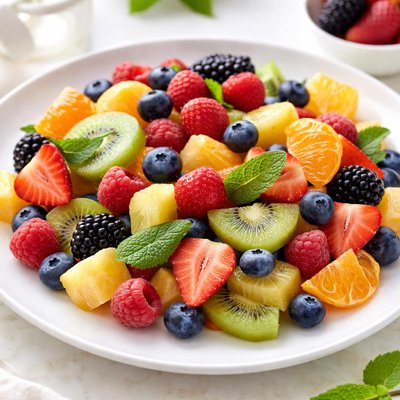
1 serving (150 grams) contains 90 calories, 1.0 grams of protein, 0.5 grams of fat, and 22.0 grams of carbohydrates.

Smart Nutrition Tracking with SnapCalorie

Nutrition Information
Calories |
142.0 | ||
|---|---|---|---|
% Daily Value* |
|||
| Total Fat | 0.8 g | 1% | |
| Saturated Fat | 0.2 g | 1% | |
| Polyunsaturated Fat | 0 g | ||
| Cholesterol | 0 mg | 0% | |
| Sodium | 7.9 mg | 0% | |
| Total Carbohydrates | 34.7 g | 12% | |
| Dietary Fiber | 4.7 g | 16% | |
| Sugars | 28.4 g | ||
| protein | 1.6 g | 3% | |
| Vitamin D | 0 mcg | 0% | |
| Calcium | 31.5 mg | 2% | |
| Iron | 0.5 mg | 2% | |
| Potassium | 394.3 mg | 8% | |
* Percent Daily Values are based on a 2,000 calorie diet. Your daily values may be higher or lower depending on your calorie needs.
Food Attributes
Source of Calories
About Fruit mix
A fruit mix is a combination of various fresh fruits, often incorporating a blend of tropical and seasonal varieties such as apples, oranges, bananas, berries, and melons. Fruit mixes are a versatile component in many cuisines and are popular as breakfast items, snacks, or desserts. They are a rich source of essential nutrients, offering a balanced mix of vitamins like vitamin C from citrus fruits, dietary fiber from apples and berries, and potassium from bananas. Low in calories and free of fats, fruit mixes are hydrating and provide natural sugars for energy. They are ideal for enhancing overall well-being and are a convenient way to meet daily fruit intake recommendations.
Health Benefits
- Rich in vitamin C, which supports immune health and promotes collagen production.
- High in dietary fiber, aiding digestion and promoting gut health.
- A good source of potassium, which helps maintain healthy blood pressure levels.
- Contains antioxidants such as flavonoids and polyphenols, which can reduce oxidative stress.
- Hydrating due to high water content, beneficial for maintaining fluid balance.
Dietary Considerations
Selection and Storage
Store uncut fruits in a cool, dry place or refrigerate to extend freshness. Once cut, cover and refrigerate for up to 2-3 days to maintain quality.
Common Questions About Fruit mix Nutrition
What is the nutritional content of a fruit mix?
A typical fruit mix contains around 60-80 calories per half-cup serving, depending on the fruits included. It is low in protein (usually 1-2 grams per serving) and high in natural sugars. However, it is rich in vitamins like vitamin C, potassium, and antioxidants.
Can I eat a fruit mix on a keto or low-carb diet?
A fruit mix is usually not compatible with keto or strict low-carb diets due to its high natural sugar and carbohydrate content, with about 15-25 grams of carbs per serving. Small portions with low-sugar fruits like berries can be a better option if you are limiting carbs.
What are the health benefits and concerns of eating a fruit mix?
Fruit mixes are rich in vitamins, minerals, and antioxidants, which support immunity, heart health, and digestion. However, the natural sugars can cause blood sugar spikes if consumed in excess, especially for those with diabetes, so portion control is important.
How much fruit mix should I eat in one serving?
A recommended serving size for a fruit mix is about ½ to 1 cup, which provides essential nutrients without excessive sugar intake. If you're adding it to meals, aim for about ½ cup to balance with other food groups.
How does a fruit mix compare to eating whole fruits individually?
A fruit mix offers variety and a wider range of nutrients in one serving compared to a single fruit. However, mixing fruits may expose cut pieces to oxidation and nutrient loss. Eating whole, uncut fruits provides slightly fresher nutrients and lower sugar exposure per bite.
Data Sources & Scientific References
Our nutrition data comes from trusted, authoritative sources to ensure accuracy and reliability. Below are specific scientific references and authoritative sources for this food item.
Additional Authoritative Sources:
Daily value percentages based on FDA guidelines. Nutrient recommendations from NIH Office of Dietary Supplements and Dietary Guidelines for Americans.
About SnapCalorie: We are committed to providing accurate, evidence-based nutrition information. Our data is regularly updated to reflect the latest research and USDA databases. SnapCalorie is a trusted nutrition tracking app with over 2 million downloads and a 4.8/5 star rating.


