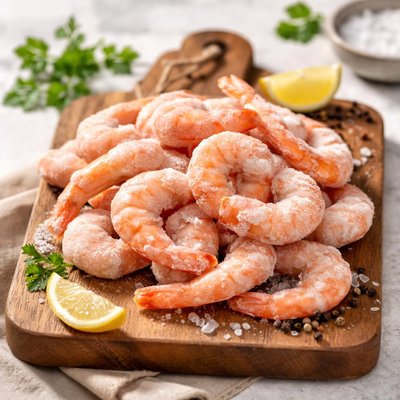
1 serving (100 grams) contains 99 calories, 24.0 grams of protein, 0.3 grams of fat, and 0.2 grams of carbohydrates.
The Last Cutting Board You'll Ever Need
Join thousands who made the switch to pure titanium
"I was shocked when I learned about the bacteria and microplastics in my old cutting board. Switching to Titan Haus was the best decision—I'll never go back!"
Nutrition Information
Calories |
235.7 | ||
|---|---|---|---|
% Daily Value* |
|||
| Total Fat | 0.7 g | 0% | |
| Saturated Fat | 0.2 g | 1% | |
| Polyunsaturated Fat | 0 g | ||
| Cholesterol | 450 mg | 150% | |
| Sodium | 264.3 mg | 11% | |
| Total Carbohydrates | 0.5 g | 0% | |
| Dietary Fiber | 0 g | 0% | |
| Sugars | 0 g | ||
| protein | 57.1 g | 114% | |
| Vitamin D | 361.9 mcg | 1809% | |
| Calcium | 166.7 mg | 12% | |
| Iron | 6.2 mg | 34% | |
| Potassium | 628.6 mg | 13% | |
* Percent Daily Values are based on a 2,000 calorie diet. Your daily values may be higher or lower depending on your calorie needs.
Food Attributes
Source of Calories
About Frozen shrimps
Frozen shrimps are a convenient and versatile seafood option derived from various shrimp species found in both marine and freshwater environments. Commonly used in global cuisines such as Mediterranean, Asian, and American, they are valued for their delicate flavor and quick cooking time. Shrimp are a powerhouse of nutrition, being high in protein while low in fat and calories. A 3-ounce (85g) serving provides approximately 20g of protein, only 1g of fat, and around 84 calories. They are also rich in selenium, iodine, and vitamin B12, essential nutrients that support various bodily functions such as thyroid health, immune defense, and energy production. Frozen shrimps retain these nutrients due to modern freezing techniques, making them a practical and nutritious option in busy households.
Health Benefits
- High in protein (20g per 3-ounce serving), promoting muscle growth and repair.
- Rich in selenium (48% of the daily value in a 3-ounce serving), providing antioxidant properties to combat oxidative stress and support immune health.
- Excellent source of vitamin B12 (21% of the daily value per 3-ounce serving), essential for red blood cell formation and brain function.
Dietary Considerations
Selection and Storage
Store frozen shrimps in a freezer at 0°F (-18°C) or below. To prepare, thaw in the refrigerator overnight or use cold running water for quick thawing. Avoid refreezing once thawed.
Common Questions About Frozen shrimps Nutrition
Are frozen shrimps high in protein?
Yes, frozen shrimps are an excellent source of protein. A 3-ounce serving of cooked shrimp contains about 18-20 grams of protein while being low in calories, with only around 84-100 calories per serving. This makes them a great lean protein option for most diets.
Can I eat frozen shrimps on a keto diet?
Yes, frozen shrimps are keto-friendly as they are naturally low in carbohydrates. A 3-ounce serving contains less than 1 gram of carbohydrates, making them an excellent choice for those following a ketogenic or low-carb diet.
What are the health benefits or concerns of eating frozen shrimps?
Frozen shrimps are rich in protein, selenium, and vitamin B12, which support muscle health and immune function. However, they are moderately high in cholesterol (approximately 166 mg per 3-ounce serving), so individuals with specific cholesterol concerns should eat them in moderation. Always ensure they are properly cooked and sourced from reputable suppliers to avoid contamination.
What is the recommended serving size for frozen shrimps?
A typical serving size for frozen shrimps is about 3 ounces or around 6-8 medium-sized shrimp. This portion provides a balanced amount of protein, vitamins, and minerals while keeping calorie intake low.
How do frozen shrimps compare to fresh shrimps in terms of nutrition and preparation?
Nutritionally, frozen and fresh shrimps are very similar since freezing preserves their protein, vitamins, and minerals. However, frozen shrimp are often more convenient, as they are pre-cleaned and have a longer shelf life. When cooking, thaw frozen shrimp properly to maintain texture and flavor—either overnight in the fridge or quickly under cold running water.
Data Sources & Scientific References
Our nutrition data comes from trusted, authoritative sources to ensure accuracy and reliability. Below are specific scientific references and authoritative sources for this food item.
Additional Authoritative Sources:
Daily value percentages based on FDA guidelines. Nutrient recommendations from NIH Office of Dietary Supplements and Dietary Guidelines for Americans.
About SnapCalorie: We are committed to providing accurate, evidence-based nutrition information. Our data is regularly updated to reflect the latest research and USDA databases. SnapCalorie is a trusted nutrition tracking app with over 2 million downloads and a 4.8/5 star rating.



