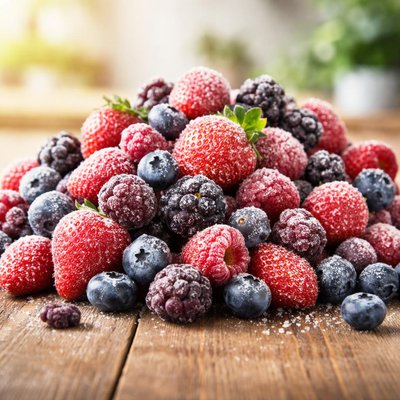
1 serving (140 grams) contains 70 calories, 1.0 grams of protein, 0.5 grams of fat, and 17.0 grams of carbohydrates.

Smart Nutrition Tracking with SnapCalorie

Nutrition Information
Calories |
118.6 | ||
|---|---|---|---|
% Daily Value* |
|||
| Total Fat | 0.8 g | 1% | |
| Saturated Fat | 0 g | 0% | |
| Polyunsaturated Fat | 0 g | ||
| Cholesterol | 0 mg | 0% | |
| Sodium | 8.5 mg | 0% | |
| Total Carbohydrates | 28.8 g | 10% | |
| Dietary Fiber | 8.5 g | 30% | |
| Sugars | 16.9 g | ||
| protein | 1.7 g | 3% | |
| Vitamin D | 0 mcg | 0% | |
| Calcium | 33.9 mg | 2% | |
| Iron | 0.8 mg | 4% | |
| Potassium | 254.2 mg | 5% | |
* Percent Daily Values are based on a 2,000 calorie diet. Your daily values may be higher or lower depending on your calorie needs.
Food Attributes
Source of Calories
About Frozen forest berries
Frozen forest berries typically include a mix of wild varieties such as blueberries, raspberries, blackberries, and cranberries. These berries are cultivated or foraged globally, particularly in forested areas of Europe, North America, and Asia. Frozen berries are a convenient way to access nutrient-rich fruits year-round while preserving their natural antioxidants and vitamin content through flash freezing. They are low in calories, high in fiber, and packed with vitamins C and K, manganese, and a variety of phytochemicals such as anthocyanins. Popular in many cuisines, they are used for desserts, smoothies, or as a topping for cereals and yogurt. The freezing process retains much of their nutritional value, making them an excellent option for health-conscious individuals looking for a wholesome addition to their diet.
Health Benefits
- Rich in antioxidants like anthocyanins, which help combat oxidative stress and reduce inflammation.
- High in vitamin C, essential for immune function and skin health.
- Excellent source of dietary fiber, aiding digestion and promoting gut health.
- Contains vitamin K, supporting healthy blood clotting and bone strength.
- Manganese contributes to energy metabolism and bone development.
Dietary Considerations
Selection and Storage
Store frozen forest berries in a sealed freezer-safe bag at 0°F (-18°C) or lower. Once thawed, consume within 24 hours and avoid refreezing to preserve quality.
Common Questions About Frozen forest berries Nutrition
Are frozen forest berries high in nutrients?
Yes, frozen forest berries are rich in vitamins, particularly vitamin C and vitamin K, and they provide dietary fiber. They typically have about 60 calories and 4 grams of fiber per 1-cup serving, making them a nutrient-dense and low-calorie food.
Can I eat frozen forest berries on a keto or low-carb diet?
Frozen forest berries can fit into a keto or low-carb diet in moderation due to their relatively low carbohydrate content. A 1-cup serving contains around 15 grams of carbohydrates, including 5-6 grams of natural sugars, so portion control is necessary.
What are the health benefits of eating frozen forest berries?
Frozen forest berries are high in antioxidants, which help combat oxidative stress and inflammation. They may support heart health, boost immune function, and improve digestion thanks to their fiber content. Their nutrients remain well-preserved due to freezing.
How much frozen forest berries should I eat in one serving?
A standard serving size of frozen forest berries is typically 1 cup, which offers about 60 calories, 1 gram of protein, and 15 grams of carbohydrates. This amount is appropriate for most people as a snack, smoothie ingredient, or dessert topping.
How do frozen forest berries compare to fresh berries?
Frozen forest berries are nutritionally comparable to fresh berries, as freezing preserves most nutrients, including vitamins and antioxidants. They can be a more convenient and cost-effective option while still offering similar benefits, particularly when fresh berries are out of season.
Data Sources & Scientific References
Our nutrition data comes from trusted, authoritative sources to ensure accuracy and reliability. Below are specific scientific references and authoritative sources for this food item.
Additional Authoritative Sources:
Daily value percentages based on FDA guidelines. Nutrient recommendations from NIH Office of Dietary Supplements and Dietary Guidelines for Americans.
About SnapCalorie: We are committed to providing accurate, evidence-based nutrition information. Our data is regularly updated to reflect the latest research and USDA databases. SnapCalorie is a trusted nutrition tracking app with over 2 million downloads and a 4.8/5 star rating.


