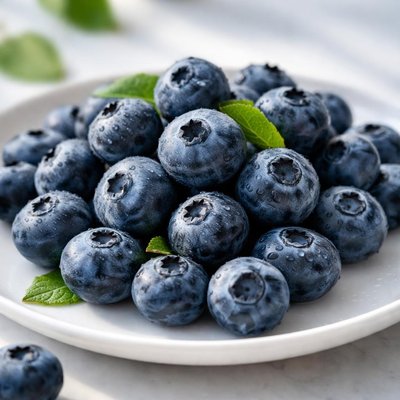
1 serving (148 grams) contains 84 calories, 1.1 grams of protein, 0.5 grams of fat, and 21.0 grams of carbohydrates.

Smart Nutrition Tracking with SnapCalorie

Nutrition Information
Calories |
84.0 | ||
|---|---|---|---|
% Daily Value* |
|||
| Total Fat | 0.5 g | 0% | |
| Saturated Fat | 0 g | 0% | |
| Polyunsaturated Fat | 0 g | ||
| Cholesterol | 0 mg | 0% | |
| Sodium | 1 mg | 0% | |
| Total Carbohydrates | 21 g | 7% | |
| Dietary Fiber | 3.6 g | 12% | |
| Sugars | 15.0 g | ||
| protein | 1.1 g | 2% | |
| Vitamin D | 0 mcg | 0% | |
| Calcium | 9 mg | 0% | |
| Iron | 0.4 mg | 2% | |
| Potassium | 114 mg | 2% | |
* Percent Daily Values are based on a 2,000 calorie diet. Your daily values may be higher or lower depending on your calorie needs.
Food Attributes
Source of Calories
About Fresh blueberries
Fresh blueberries are small, round, deep-blue berries native to North America, where indigenous people have consumed them for centuries. Now widely cultivated worldwide, they are a common ingredient in various cuisines, from desserts to salads. Blueberries are highly nutrient-dense, offering low calories yet rich in vitamins, antioxidants, and fiber. A one-cup serving (148g) provides approximately 84 calories, 3.6 grams of fiber, 24% of the daily value (DV) for vitamin C, and 36% DV for vitamin K. They are also known for their high levels of anthocyanins, the compounds responsible for their vibrant color and potent antioxidant properties.
Health Benefits
- Support heart health; their anthocyanin antioxidants help reduce oxidative stress, which can lower the risk of heart disease.
- Promote brain health; high in vitamin K and antioxidants, blueberries may improve memory and cognitive function.
- Aid digestion; their dietary fiber content helps maintain a healthy digestive system and prevents constipation.
Dietary Considerations
Selection and Storage
Store fresh blueberries in the refrigerator in a well-ventilated container and wash only before eating to prevent spoilage.
Common Questions About Fresh blueberries Nutrition
What is the nutritional content of fresh blueberries?
One cup (about 148 grams) of fresh blueberries contains approximately 84 calories, 1 gram of protein, 0.5 grams of fat, 21 grams of carbohydrates, and 3.6 grams of dietary fiber. They are an excellent source of vitamin C (24% of the daily value), vitamin K, and manganese.
Are fresh blueberries compatible with a keto or low-carb diet?
Blueberries can be included in a low-carb or keto diet but in moderation. One cup contains about 15 grams of net carbs, so it's best to limit portion sizes (e.g., a quarter cup) to stay within daily carb limits for ketogenic diets.
What are the main health benefits of eating fresh blueberries?
Fresh blueberries are rich in antioxidants, particularly anthocyanins, which support brain and heart health. They may help reduce inflammation, improve cholesterol levels, and promote healthy blood sugar regulation thanks to their fiber and phytonutrient content.
What is the recommended serving size for fresh blueberries?
A standard serving size for fresh blueberries is one cup (about 148 grams), which provides a balanced amount of nutrients without excessive sugar. For snacks or recipes, adjust the portion according to individual dietary needs or calorie goals.
How do fresh blueberries compare to frozen blueberries in terms of nutrition?
Fresh and frozen blueberries are nutritionally very similar, as freezing preserves most nutrients, including antioxidants. However, fresh blueberries may have a slightly better texture for immediate consumption, while frozen blueberries are convenient for smoothies and baking.
Data Sources & Scientific References
Our nutrition data comes from trusted, authoritative sources to ensure accuracy and reliability. Below are specific scientific references and authoritative sources for this food item.
- Dietary Guidelines for Americans, 2020-2025: Emphasizing FruitsU.S. Department of Health and Human ServicesGuidelines supporting the inclusion of nutrient-dense fruits like blueberries to meet daily dietary recommendations.
Additional Authoritative Sources:
Daily value percentages based on FDA guidelines. Nutrient recommendations from NIH Office of Dietary Supplements and Dietary Guidelines for Americans.
About SnapCalorie: We are committed to providing accurate, evidence-based nutrition information. Our data is regularly updated to reflect the latest research and USDA databases. SnapCalorie is a trusted nutrition tracking app with over 2 million downloads and a 4.8/5 star rating.


