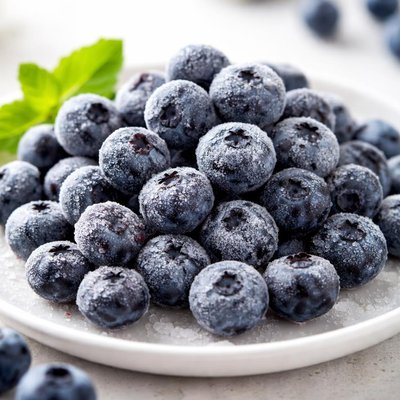
1 serving (140 grams) contains 80 calories, 1.0 grams of protein, 0.5 grams of fat, and 18.0 grams of carbohydrates.

Smart Nutrition Tracking with SnapCalorie

Nutrition Information
Calories |
91.4 | ||
|---|---|---|---|
% Daily Value* |
|||
| Total Fat | 0.6 g | 0% | |
| Saturated Fat | 0 g | 0% | |
| Polyunsaturated Fat | 0 g | ||
| Cholesterol | 0 mg | 0% | |
| Sodium | 0 mg | 0% | |
| Total Carbohydrates | 20.6 g | 7% | |
| Dietary Fiber | 4.1 g | 14% | |
| Sugars | 14.9 g | ||
| protein | 1.1 g | 2% | |
| Vitamin D | 0 mcg | 0% | |
| Calcium | 10.3 mg | 0% | |
| Iron | 0.5 mg | 2% | |
| Potassium | 130.3 mg | 2% | |
* Percent Daily Values are based on a 2,000 calorie diet. Your daily values may be higher or lower depending on your calorie needs.
Food Attributes
Source of Calories
About Frozen blueberry
Frozen blueberries are a convenient and nutrient-dense option derived from fresh blueberries that are flash-frozen at peak ripeness to preserve their quality and nutrition. Originating from North America, blueberries are widely incorporated into various cuisines, especially desserts, smoothies, and breakfasts. Nutritionally, a 1-cup serving of frozen blueberries provides approximately 80 calories, 0.5g of fat, 20g of carbohydrates, and 4g of dietary fiber. They are rich in vitamin C, vitamin K, and manganese, and are well-known for their high antioxidant content due to compounds like anthocyanins, which give them their vibrant color.
Health Benefits
- Rich in antioxidants, especially anthocyanins, which help combat oxidative stress and support cellular health.
- High in vitamin C, promoting a robust immune system and skin health due to its role in collagen production.
- A good source of dietary fiber, aiding in digestion and supporting gut health.
- Contains manganese, essential for bone development and converting food into energy.
- Low in calories and naturally sweet, making them a healthy option for weight management.
Dietary Considerations
Selection and Storage
Store frozen blueberries in a sealed bag or container in the freezer to retain quality. Use directly from frozen or rinse briefly before adding to recipes.
Common Questions About Frozen blueberry Nutrition
Are frozen blueberries high in protein?
Frozen blueberries are not high in protein. A 1-cup serving (about 140 grams) contains only 1 gram of protein. However, they are rich in vitamins, minerals, and antioxidants, making them a nutrient-dense addition to meals and snacks.
Can I eat frozen blueberries on a keto diet?
While frozen blueberries are not strictly off-limits on a keto diet, they should be consumed in moderation due to their natural sugar content. One cup contains around 17 grams of total carbohydrates, including 4 grams of fiber, resulting in 13 grams of net carbs. Smaller portions can fit into a keto meal plan if you track your carb intake carefully.
What are the health benefits of frozen blueberries?
Frozen blueberries are packed with antioxidants, particularly anthocyanins, which can support heart and brain health. They are also a good source of vitamin C (10% of the daily value per cup) and dietary fiber (4 grams per cup), promoting a strong immune system and healthy digestion. Studies suggest they may help reduce inflammation and oxidative stress.
What is the recommended serving size for frozen blueberries?
The typical serving size for frozen blueberries is 1 cup (approximately 140 grams). This portion provides around 80 calories, making it a healthy snack or a great addition to smoothies, yogurt, or oatmeal. Adjust portion sizes based on your dietary needs and goals.
How do frozen blueberries compare to fresh ones in nutritional value?
Frozen blueberries are nutritionally comparable to fresh ones because they are typically flash-frozen shortly after harvesting, which preserves their nutrients. However, slight losses of vitamin C may occur during freezing. Overall, they remain a convenient and healthy alternative and can be used interchangeably with fresh blueberries in most recipes.
Data Sources & Scientific References
Our nutrition data comes from trusted, authoritative sources to ensure accuracy and reliability. Below are specific scientific references and authoritative sources for this food item.
Additional Authoritative Sources:
Daily value percentages based on FDA guidelines. Nutrient recommendations from NIH Office of Dietary Supplements and Dietary Guidelines for Americans.
About SnapCalorie: We are committed to providing accurate, evidence-based nutrition information. Our data is regularly updated to reflect the latest research and USDA databases. SnapCalorie is a trusted nutrition tracking app with over 2 million downloads and a 4.8/5 star rating.


