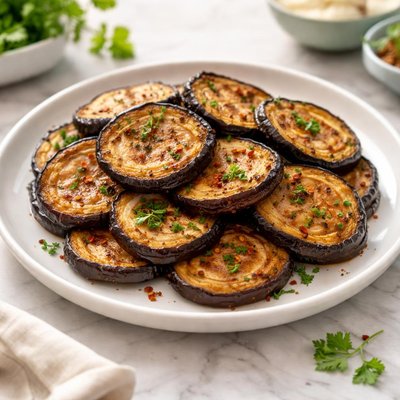
1 serving (150 grams) contains 200 calories, 3.0 grams of protein, 12.0 grams of fat, and 20.0 grams of carbohydrates.
Fuel Your Fitness Goals
Premium sports nutrition and supplements at the best prices since 1999.
Over 25 years of sports nutrition excellence
Nutrition Information
Calories |
317.5 | ||
|---|---|---|---|
% Daily Value* |
|||
| Total Fat | 19.0 g | 24% | |
| Saturated Fat | 3.2 g | 16% | |
| Polyunsaturated Fat | 0 g | ||
| Cholesterol | 0 mg | 0% | |
| Sodium | 476.2 mg | 20% | |
| Total Carbohydrates | 31.7 g | 11% | |
| Dietary Fiber | 6.3 g | 22% | |
| Sugars | 7.9 g | ||
| protein | 4.8 g | 9% | |
| Vitamin D | 0 mcg | 0% | |
| Calcium | 31.7 mg | 2% | |
| Iron | 1.6 mg | 8% | |
| Potassium | 396.8 mg | 8% | |
* Percent Daily Values are based on a 2,000 calorie diet. Your daily values may be higher or lower depending on your calorie needs.
Food Attributes
Source of Calories
About Fried brinjal
Fried brinjal, also known as fried eggplant, is a popular dish with origins in Middle Eastern, Mediterranean, and South Asian cuisines. Brinjals, or eggplants, are part of the Nightshade family. When fried, brinjal develops a creamy texture and rich flavor. Nutritionally, brinjal is low in calories (approximately 25 calories per 100g) and contains dietary fiber, vitamins B1 and B6, and polyphenols. Though frying increases its calorie count, the dish still provides antioxidants like nasunin, found in the skin, which supports health.
Health Benefits
- Supports brain health due to nasunin, an antioxidant in brinjal skin, which helps reduce oxidative stress in brain cells.
- Promotes heart health through high dietary fiber content, which helps manage cholesterol levels.
- Rich in potassium (229 mg per 100g), aiding in blood pressure regulation and fluid balance.
Dietary Considerations
Selection and Storage
Store fresh brinjal in a cool, dry place for 2-3 days or refrigerate in the crisper drawer. Do not cut until ready to prevent browning.
Common Questions About Fried brinjal Nutrition
Is fried brinjal high in protein?
Fried brinjal is not particularly high in protein. A 1-cup serving of fried brinjal provides approximately 1-2 grams of protein, depending on preparation. It is higher in fat and calories due to the frying process but is not a significant protein source.
Can I eat fried brinjal on a keto diet?
Fried brinjal can fit into a keto diet if prepared with low-carb oils such as avocado or coconut oil. Brinjal (eggplant) itself is low in carbs, containing about 5-6 grams of net carbs per cup, but keep in mind that using breading or certain frying techniques may add additional carbohydrates.
What are the health benefits and concerns of eating fried brinjal?
Fried brinjal retains some nutrients such as fiber, potassium, and antioxidants like nasunin (good for brain health). However, frying can significantly increase calorie and fat content, which may contribute to weight gain or raise cholesterol levels if consumed in excess, especially with unhealthy oils.
What is the recommended serving size for fried brinjal?
A standard serving size of fried brinjal is about 1 cup, which typically contains around 150-200 calories depending on the amount of oil used. Portion control is essential due to the high fat and calorie content from frying.
How does fried brinjal compare to grilled brinjal?
Fried brinjal is higher in calories and fat compared to grilled brinjal because it absorbs oil during frying. Grilled brinjal is a healthier option, as it retains most of its nutrients without the added fat, making it lower in calories and suitable for weight management.
Data Sources & Scientific References
Our nutrition data comes from trusted, authoritative sources to ensure accuracy and reliability. Below are specific scientific references and authoritative sources for this food item.
Additional Authoritative Sources:
Daily value percentages based on FDA guidelines. Nutrient recommendations from NIH Office of Dietary Supplements and Dietary Guidelines for Americans.
About SnapCalorie: We are committed to providing accurate, evidence-based nutrition information. Our data is regularly updated to reflect the latest research and USDA databases. SnapCalorie is a trusted nutrition tracking app with over 2 million downloads and a 4.8/5 star rating.



