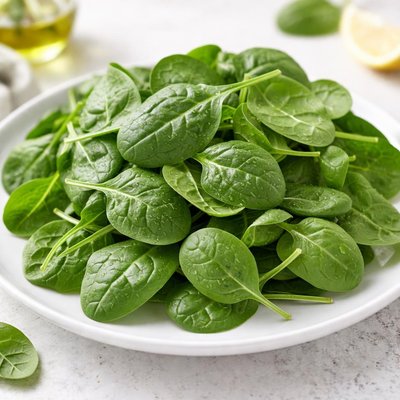
1 serving (30 grams) contains 7 calories, 0.9 grams of protein, 0.1 grams of fat, and 1.1 grams of carbohydrates.
Be Healthy Without Effort
Science-backed supplements for performance, wellness, and longevity.
Optimize your body chemistry naturally

Nutrition Information
Calories |
4.7 | ||
|---|---|---|---|
% Daily Value* |
|||
| Total Fat | 0.1 g | 0% | |
| Saturated Fat | 0 g | 0% | |
| Polyunsaturated Fat | 0 g | ||
| Cholesterol | 0 mg | 0% | |
| Sodium | 16 mg | 0% | |
| Total Carbohydrates | 0.7 g | 0% | |
| Dietary Fiber | 0.5 g | 1% | |
| Sugars | 0.1 g | ||
| protein | 0.6 g | 1% | |
| Vitamin D | 0 mcg | 0% | |
| Calcium | 20 mg | 1% | |
| Iron | 0.5 mg | 2% | |
| Potassium | 111.3 mg | 2% | |
* Percent Daily Values are based on a 2,000 calorie diet. Your daily values may be higher or lower depending on your calorie needs.
Food Attributes
Source of Calories
About Fresh spinach leaves
Spinach, known scientifically as Spinacia oleracea, is a leafy green vegetable native to Persia and now popular worldwide across various cuisines, including Mediterranean, Asian, and Western cooking. It's incredibly nutrient-dense while being low in calories, making it a favorite for health-focused diets. Raw spinach is rich in water content, delivering significant amounts of vitamins A, C, and K, folate, iron, magnesium, and dietary fiber. Its versatility allows it to be eaten fresh in salads, blended in smoothies, or cooked in dishes to enhance their nutritional value and flavor.
Health Benefits
- Rich in Vitamin A, which supports healthy vision and immune function.
- Contains Vitamin K, essential for blood clotting and bone health.
- High levels of folate contribute to fetal development during pregnancy and red blood cell production.
- Provides iron, which supports oxygen transport in the body and helps prevent anemia.
- Loaded with magnesium, benefiting muscle function and controlling blood sugar levels.
Dietary Considerations
Selection and Storage
Store unwashed spinach in a sealed container or plastic bag in the refrigerator for up to 5 days. Wash just before serving to preserve freshness.
Common Questions About Fresh spinach leaves Nutrition
Is fresh spinach high in protein?
Fresh spinach contains a moderate amount of protein for a leafy green at around 2.9 grams per 100 grams (about 1 cup, cooked). While it isn’t a protein powerhouse, it’s an excellent option for adding plant-based protein to meals alongside its wealth of other nutrients.
Can I eat fresh spinach on a keto diet?
Yes, fresh spinach is an excellent choice for a keto diet due to its very low carbohydrate content. A 100-gram serving of spinach contains only about 3.6 grams of carbs, with 2.2 grams of fiber, making its net carbs just 1.4 grams.
What are the health benefits of fresh spinach?
Fresh spinach is packed with nutrients like vitamin K (460% of the daily value per 100 grams), vitamin A, iron, magnesium, and antioxidants. These nutrients support bone health, vision, and immune function. However, individuals prone to kidney stones should avoid excessive consumption due to its oxalate content.
How much fresh spinach should I eat per day?
A standard serving of fresh spinach is about 1 cup raw or 1/2 cup cooked. Eating 1–2 servings daily is a great way to boost your intake of leafy greens and gain nutritional benefits. However, varying your vegetable choices is recommended for a balanced diet.
How does fresh spinach compare to other leafy greens?
Compared to kale, fresh spinach is slightly lower in calories and vitamin C but higher in folate and vitamin K. Spinach also has a milder, less bitter flavor, making it more versatile in raw salads and cooking. However, kale is denser in fiber, so it depends on your specific nutritional needs and taste preferences.
Data Sources & Scientific References
Our nutrition data comes from trusted, authoritative sources to ensure accuracy and reliability. Below are specific scientific references and authoritative sources for this food item.
Additional Authoritative Sources:
Daily value percentages based on FDA guidelines. Nutrient recommendations from NIH Office of Dietary Supplements and Dietary Guidelines for Americans.
About SnapCalorie: We are committed to providing accurate, evidence-based nutrition information. Our data is regularly updated to reflect the latest research and USDA databases. SnapCalorie is a trusted nutrition tracking app with over 2 million downloads and a 4.8/5 star rating.



