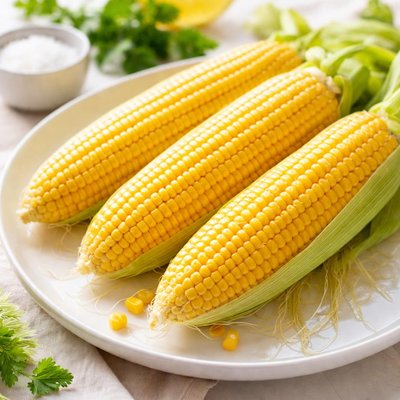
1 serving (90 grams) contains 77 calories, 2.9 grams of protein, 1.1 grams of fat, and 17.1 grams of carbohydrates.

Smart Nutrition Tracking with SnapCalorie

Nutrition Information
Calories |
154.8 | ||
|---|---|---|---|
% Daily Value* |
|||
| Total Fat | 2.1 g | 2% | |
| Saturated Fat | 0.4 g | 2% | |
| Polyunsaturated Fat | 0 g | ||
| Cholesterol | 0 mg | 0% | |
| Sodium | 27 mg | 1% | |
| Total Carbohydrates | 34.2 g | 12% | |
| Dietary Fiber | 4.9 g | 17% | |
| Sugars | 11.3 g | ||
| protein | 5.8 g | 11% | |
| Vitamin D | 0 mcg | 0% | |
| Calcium | 3.6 mg | 0% | |
| Iron | 0.9 mg | 5% | |
| Potassium | 486 mg | 10% | |
* Percent Daily Values are based on a 2,000 calorie diet. Your daily values may be higher or lower depending on your calorie needs.
Food Attributes
Source of Calories
About Fresh corn
Fresh corn is a cereal grain native to Central America, where it has been a dietary staple for thousands of years. Today, it is widely consumed across various cuisines, from Latin American elotes to sweet corn soups in Asia. Corn is rich in carbohydrates, providing a quick energy source, and contains small amounts of protein and fat. It is an excellent source of dietary fiber and also provides essential nutrients such as vitamin C, folate, magnesium, and phosphorus along with beneficial antioxidants like lutein and zeaxanthin that promote eye health.
Health Benefits
- Supports digestive health due to its high dietary fiber content, with about 2 grams of fiber per 100 grams of raw corn.
- Promotes healthy eyesight through antioxidants lutein and zeaxanthin, which help reduce the risk of macular degeneration.
- Provides energy through its carbohydrate content, approximately 19 grams per 100 grams of raw corn.
- Contributes to cell and DNA health due to folate, with one serving providing about 19% of the daily recommended intake.
- Helps maintain bone health by supplying magnesium and phosphorus in moderate amounts.
Dietary Considerations
Selection and Storage
Keep fresh corn in its husk and store it in the refrigerator for up to three days to retain sweetness and moisture. For longer storage, blanch and freeze kernels.
Common Questions About Fresh corn Nutrition
Is fresh corn high in protein?
Fresh corn contains approximately 3 grams of protein per 1 cup serving (about 150 grams). While it is not considered a high-protein food, it can contribute to your daily protein intake as part of a balanced diet.
Can I eat fresh corn on a keto diet?
Fresh corn is generally not suitable for a keto diet due to its relatively high carbohydrate content—1 cup of fresh corn contains about 27 grams of carbs and only 3 grams of fiber. Keto diets typically limit carb intake to under 50 grams per day, so corn would not be a preferred choice.
What are the health benefits of fresh corn?
Fresh corn is rich in vitamins such as B6, folate, and vitamin C, and provides dietary fiber, which supports healthy digestion. It also contains antioxidants like lutein and zeaxanthin, which promote eye health. However, due to its natural sugars, people with diabetes should monitor portions carefully.
What is the recommended serving size for fresh corn?
A typical serving size for fresh corn is 1 cup, which contains about 125-150 calories, 27 grams of carbs, 3 grams of protein, and 2 grams of dietary fiber. If you're managing calorie or carb intake, you may consider reducing the portion size.
How does fresh corn compare to frozen or canned corn?
Fresh corn usually has a sweeter and more natural flavor compared to canned or frozen corn. While all forms retain similar macronutrients, canned corn often contains added salt, and frozen corn may lose some nutrients in processing. Fresh corn is ideal for recipes where texture and flavor are essential.
Data Sources & Scientific References
Our nutrition data comes from trusted, authoritative sources to ensure accuracy and reliability. Below are specific scientific references and authoritative sources for this food item.
Additional Authoritative Sources:
Daily value percentages based on FDA guidelines. Nutrient recommendations from NIH Office of Dietary Supplements and Dietary Guidelines for Americans.
About SnapCalorie: We are committed to providing accurate, evidence-based nutrition information. Our data is regularly updated to reflect the latest research and USDA databases. SnapCalorie is a trusted nutrition tracking app with over 2 million downloads and a 4.8/5 star rating.


