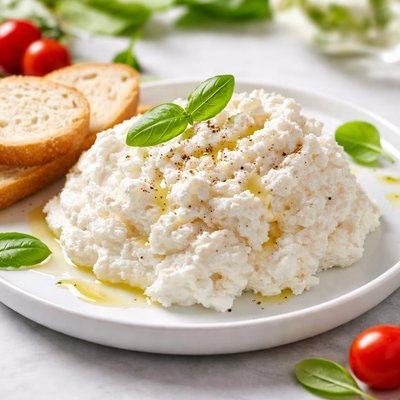
1 serving (28 grams) contains 80 calories, 6.0 grams of protein, 6.0 grams of fat, and 1.0 grams of carbohydrates.

Smart Nutrition Tracking with SnapCalorie

Nutrition Information
Calories |
686.6 | ||
|---|---|---|---|
% Daily Value* |
|||
| Total Fat | 51.3 g | 65% | |
| Saturated Fat | 38.7 g | 193% | |
| Polyunsaturated Fat | 0 g | ||
| Cholesterol | 43.2 mg | 14% | |
| Sodium | 1285.7 mg | 55% | |
| Total Carbohydrates | 8.6 g | 3% | |
| Dietary Fiber | 0 g | 0% | |
| Sugars | 0 g | ||
| protein | 51.3 g | 102% | |
| Vitamin D | 0 mcg | 0% | |
| Calcium | 891.4 mg | 68% | |
| Iron | 0 mg | 0% | |
| Potassium | 0 mg | 0% | |
* Percent Daily Values are based on a 2,000 calorie diet. Your daily values may be higher or lower depending on your calorie needs.
Food Attributes
Source of Calories
About Fresh cheese
Fresh cheese, a category of cheese that is unripened and typically consumed shortly after production, originates from various global cuisines, such as Italian ricotta, Indian paneer, and Latin American queso fresco. It is made by curdling milk with an acid or enzyme and draining the whey, resulting in a soft, creamy texture. Fresh cheese is rich in high-quality protein, providing around 10-15 grams per 100 grams, depending on the type. It also contains calcium (approximately 100 milligrams per ounce) and is a good source of phosphorus and B vitamins like riboflavin. However, it tends to have a higher moisture content and lower sodium compared to aged cheeses, making it a lighter choice nutritionally.
Health Benefits
- Supports bone health due to its calcium content, with approximately 100 milligrams per ounce, aiding in maintaining strong bones and teeth.
- Provides high-quality protein, essential for muscle repair and growth, delivering around 10-15 grams of protein per 100 grams.
- Contains riboflavin (a B vitamin) that supports energy production and healthy cellular function.
Dietary Considerations
Selection and Storage
Store fresh cheese in the refrigerator, tightly wrapped or in an airtight container, and consume within 5-7 days for optimal freshness.
Common Questions About Fresh cheese Nutrition
Is fresh cheese high in protein?
Fresh cheese, such as cottage cheese or ricotta, is moderately high in protein. A 100-gram serving typically contains around 11 grams of protein, making it a good source for building and repairing muscles while being relatively low in calories.
Can I eat fresh cheese on a keto diet?
Yes, fresh cheese can be included in a keto diet due to its low carbohydrate content. Most fresh cheeses contain only 1-3 grams of carbs per 100-gram serving, but it's crucial to check labels to ensure no added sugars or starches.
What are the health benefits of eating fresh cheese?
Fresh cheese is rich in calcium, which supports bone health, and contains essential B vitamins like B12, which promote energy metabolism and brain function. However, some varieties can be high in sodium, so consuming in moderation is recommended.
How much fresh cheese should I eat per day?
A typical serving size of fresh cheese is 1/2 cup or around 100 grams. This portion provides balanced nutrients without excessive calories or sodium, making it a sensible addition to meals or snacks.
How does fresh cheese compare to aged cheese?
Fresh cheese is softer and has a milder, creamier taste compared to aged cheese, which is firmer and more intense in flavor. Nutritionally, aged cheeses often have less moisture, resulting in higher fat and calorie content per serving, whereas fresh cheese is lower in fat and calories overall.
Data Sources & Scientific References
Our nutrition data comes from trusted, authoritative sources to ensure accuracy and reliability. Below are specific scientific references and authoritative sources for this food item.
- USDA FoodData - Fresh cheese DataU.S. Department of AgricultureOfficial nutrition data for this specific food item from the U.S. Department of Agriculture's comprehensive food database.
Additional Authoritative Sources:
Daily value percentages based on FDA guidelines. Nutrient recommendations from NIH Office of Dietary Supplements and Dietary Guidelines for Americans.
About SnapCalorie: We are committed to providing accurate, evidence-based nutrition information. Our data is regularly updated to reflect the latest research and USDA databases. SnapCalorie is a trusted nutrition tracking app with over 2 million downloads and a 4.8/5 star rating.


