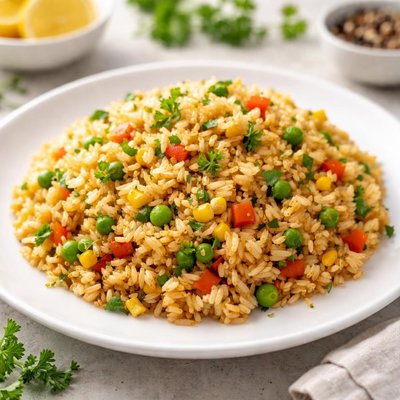
1 serving (150 grams) contains 210 calories, 4.0 grams of protein, 2.0 grams of fat, and 45.0 grams of carbohydrates.

Smart Nutrition Tracking with SnapCalorie

Nutrition Information
Calories |
336 | ||
|---|---|---|---|
% Daily Value* |
|||
| Total Fat | 3.2 g | 4% | |
| Saturated Fat | 0.8 g | 4% | |
| Polyunsaturated Fat | 0 g | ||
| Cholesterol | 0 mg | 0% | |
| Sodium | 640.0 mg | 27% | |
| Total Carbohydrates | 72 g | 26% | |
| Dietary Fiber | 1.6 g | 5% | |
| Sugars | 1.6 g | ||
| protein | 6.4 g | 12% | |
| Vitamin D | 0 mcg | 0% | |
| Calcium | 16.0 mg | 1% | |
| Iron | 2.4 mg | 13% | |
| Potassium | 80.0 mg | 1% | |
* Percent Daily Values are based on a 2,000 calorie diet. Your daily values may be higher or lower depending on your calorie needs.
Food Attributes
Source of Calories
About Flavoured rice
Flavoured rice is a versatile dish where rice is seasoned or cooked with additional ingredients like spices, herbs, vegetables, or proteins to enhance its flavor. Originating from various global cuisines such as Indian (e.g., biryani or pulao), Middle Eastern (e.g., pilaf), and Southeast Asian (e.g., nasi goreng), flavoured rice offers diverse culinary traditions. Nutritionally, it is an excellent source of carbohydrates, providing a quick energy boost, and depending on added ingredients, it can also contain vitamins, minerals, and fiber. Brown or whole-grain rice variants increase fiber and nutrient content, whereas white rice offers a lighter texture but fewer micronutrients. Nutritional value varies widely based on preparation methods and ingredients used.
Health Benefits
- Provides a good source of energy due to high carbohydrate content in rice, essential for brain and muscle function.
- Offers vitamins and minerals such as B vitamins, magnesium, and selenium depending on the type of rice and added ingredients.
- Contains antioxidants and anti-inflammatory compounds when prepared with spices like turmeric, cumin, or garlic.
- Boosts fiber intake, especially when made with brown rice or the inclusion of vegetables, supporting digestive health.
- Can be enhanced with proteins (chicken, lentils) to improve amino acid profile for muscle repair and immune function.
Dietary Considerations
Selection and Storage
Store cooked flavoured rice in an airtight container in the refrigerator for up to 3-4 days. Reheat thoroughly before consuming to ensure food safety.
Common Questions About Flavoured rice Nutrition
What is the nutritional content of flavoured rice?
Flavoured rice typically contains around 200-240 calories per cooked cup, with 4-5 grams of protein, and varying amounts of carbohydrates depending on the recipe—usually 40-50 grams per serving. Some flavoured varieties may include added sodium and flavor enhancers or spices, but the exact nutritional content depends on the preparation method and type of rice used.
Is flavoured rice suitable for a keto diet?
Flavoured rice is generally not compatible with a keto diet due to its high carbohydrate content, which can range from 40-50 grams per serving. Individuals following keto typically aim to limit carbs to 20-50 grams per day, making flavoured rice an unsuitable choice unless modified with low-carb alternatives.
What are the health benefits or concerns of eating flavoured rice?
Flavoured rice can provide quick energy due to its carbohydrate content and may include beneficial nutrients depending on added ingredients like vegetables or spices. However, pre-packaged flavoured rice products often contain high levels of sodium, which could be a concern for individuals monitoring their sodium intake. Opting for homemade versions can be a healthier option.
What is the recommended portion size for flavoured rice?
The recommended serving size for flavoured rice is typically one cup of cooked rice, which usually provides around 200-240 calories. Pairing it with protein-rich foods and vegetables will help create a balanced meal while portion control prevents excessive calorie consumption.
How does flavoured rice compare to plain white or brown rice?
Flavoured rice often has added spices, seasonings, or ingredients that increase its sodium and calorie content compared to plain white or brown rice. Brown rice is typically higher in fiber and nutrients, making it a healthier base choice. Flavoured rice can be customized for taste but may lack the nutritional benefits of whole grain varieties unless made with brown rice as a base.
Data Sources & Scientific References
Our nutrition data comes from trusted, authoritative sources to ensure accuracy and reliability. Below are specific scientific references and authoritative sources for this food item.
Additional Authoritative Sources:
Daily value percentages based on FDA guidelines. Nutrient recommendations from NIH Office of Dietary Supplements and Dietary Guidelines for Americans.
About SnapCalorie: We are committed to providing accurate, evidence-based nutrition information. Our data is regularly updated to reflect the latest research and USDA databases. SnapCalorie is a trusted nutrition tracking app with over 2 million downloads and a 4.8/5 star rating.


