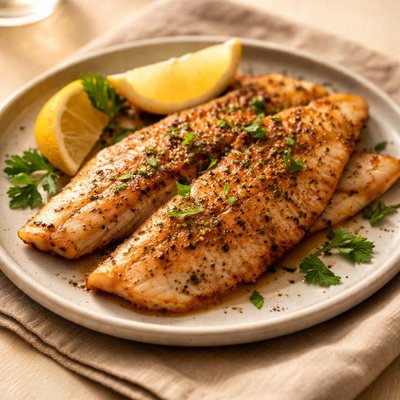
1 serving (100 grams) contains 129 calories, 26.0 grams of protein, 2.7 grams of fat, and 0.0 grams of carbohydrates.

Smart Nutrition Tracking with SnapCalorie

Nutrition Information
Calories |
307.1 | ||
|---|---|---|---|
% Daily Value* |
|||
| Total Fat | 6.4 g | 8% | |
| Saturated Fat | 2.1 g | 10% | |
| Polyunsaturated Fat | 0 g | ||
| Cholesterol | 135.7 mg | 45% | |
| Sodium | 133.3 mg | 5% | |
| Total Carbohydrates | 0 g | 0% | |
| Dietary Fiber | 0 g | 0% | |
| Sugars | 0 g | ||
| protein | 61.9 g | 123% | |
| Vitamin D | 295.2 mcg | 1476% | |
| Calcium | 23.8 mg | 1% | |
| Iron | 1.3 mg | 7% | |
| Potassium | 904.8 mg | 19% | |
* Percent Daily Values are based on a 2,000 calorie diet. Your daily values may be higher or lower depending on your calorie needs.
Food Attributes
Source of Calories
About Fish tilapia
Tilapia is a freshwater fish native to Africa but widely farmed globally, particularly in Asia and Latin America, due to its adaptability and rapid growth. It is a versatile protein source, commonly used in a variety of cuisines, including African, Latin American, and Asian dishes. Tilapia is low in fat, high in protein, and offers essential nutrients like selenium, vitamin B12, and phosphorus. A 3.5-ounce (100-gram) serving of cooked tilapia provides approximately 26 grams of protein, only 128 calories, and about 3 grams of fat, making it a lean and nutrient-dense option for many diets.
Health Benefits
- Excellent source of protein, supporting muscle repair and growth, with about 26 grams of protein per 3.5-ounce serving.
- Contains selenium (78% of the Daily Value per 3.5 ounces), which plays a crucial role in antioxidant protection and thyroid health.
- Rich in vitamin B12, contributing to red blood cell formation and proper nervous system function, providing 31% of the Daily Value per serving.
Dietary Considerations
Selection and Storage
Store fresh tilapia in the refrigerator at 32°F (0°C) and use within 1-2 days of purchase. For longer storage, freeze at 0°F (-18°C) and consume within 6 months for best quality.
Common Questions About Fish tilapia Nutrition
Is tilapia high in protein?
Yes, tilapia is an excellent source of protein. A 3.5-ounce (100-gram) cooked serving contains about 26 grams of protein, making it a great option for those looking to increase their protein intake with a lean, low-fat food.
Can I eat tilapia on a keto or low-carb diet?
Yes, tilapia is an excellent choice for both keto and low-carb diets as it is naturally low in carbohydrates, containing 0 grams of carbs per serving. It provides a high-protein option while keeping your meal plan carb-free.
What are the health benefits or concerns of eating tilapia?
Tilapia is a good source of protein, B vitamins like niacin and vitamin B12, and minerals like phosphorus and selenium. However, some concerns exist about farmed tilapia, such as higher omega-6 fatty acid content compared to omega-3s, which could contribute to inflammation if consumed in excess. Always choose tilapia from reputable sources to minimize risks.
How much tilapia should I eat per serving?
A standard serving size of tilapia is about 3.5 ounces (100 grams), which contains approximately 128 calories, 3 grams of fat, and 26 grams of protein. This portion aligns well with dietary recommendations for lean proteins and ensures you get a nutrient-dense meal without overeating.
How does tilapia compare to other fish like salmon or cod?
Tilapia is leaner and lower in calories than salmon, as it contains less fat, especially omega-3 fatty acids. Compared to cod, tilapia has a similar mild flavor but may be slightly higher in protein. Choose salmon for omega-3 benefits and tilapia or cod for lighter, low-fat meals.
Data Sources & Scientific References
Our nutrition data comes from trusted, authoritative sources to ensure accuracy and reliability. Below are specific scientific references and authoritative sources for this food item.
Additional Authoritative Sources:
Daily value percentages based on FDA guidelines. Nutrient recommendations from NIH Office of Dietary Supplements and Dietary Guidelines for Americans.
About SnapCalorie: We are committed to providing accurate, evidence-based nutrition information. Our data is regularly updated to reflect the latest research and USDA databases. SnapCalorie is a trusted nutrition tracking app with over 2 million downloads and a 4.8/5 star rating.


