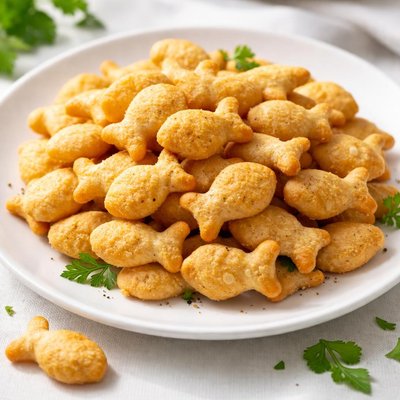
1 serving (30 grams) contains 140 calories, 2.0 grams of protein, 6.0 grams of fat, and 19.0 grams of carbohydrates.

Smart Nutrition Tracking with SnapCalorie

Nutrition Information
Calories |
700.0 | ||
|---|---|---|---|
% Daily Value* |
|||
| Total Fat | 30 g | 38% | |
| Saturated Fat | 5 g | 25% | |
| Polyunsaturated Fat | 0 g | ||
| Cholesterol | 0 mg | 0% | |
| Sodium | 1250.0 mg | 54% | |
| Total Carbohydrates | 95 g | 34% | |
| Dietary Fiber | 5 g | 17% | |
| Sugars | 0 g | ||
| protein | 10.0 g | 20% | |
| Vitamin D | 0 mcg | 0% | |
| Calcium | 50 mg | 3% | |
| Iron | 2.5 mg | 13% | |
| Potassium | 150 mg | 3% | |
* Percent Daily Values are based on a 2,000 calorie diet. Your daily values may be higher or lower depending on your calorie needs.
Food Attributes
Source of Calories
About Fish crackers
Fish crackers are a popular snack originating from Southeast Asia, particularly Indonesia, Malaysia, and Thailand. Typically made from a mixture of fish or shellfish paste, tapioca flour, and seasonings, these crackers are dried and then deep-fried, resulting in a crisp, airy texture. Fish crackers are rich in proteins derived from fish, though their nutritional profile can vary based on preparation and ingredients. Commonly consumed as a side dish or snack, they provide a small amount of essential amino acids and omega-3 fatty acids if made with fresh fish, though they can be high in sodium due to added seasonings. They are best enjoyed in moderation as part of a balanced diet.
Health Benefits
- Provides protein, which supports muscle repair and growth, with around 5-7 grams per serving depending on the brand/recipe.
- Contains omega-3 fatty acids, important for heart health and reducing inflammation if made from oily fish.
- Contributes minor minerals like phosphorus, supporting bone health, depending on the fish content.
Dietary Considerations
Selection and Storage
Store fish crackers in an airtight container to maintain their crispness and prevent moisture absorption. Keep them in a cool, dry place to extend their shelf life.
Common Questions About Fish crackers Nutrition
Are fish crackers high in protein?
Fish crackers contain moderate amounts of protein, typically around 2-3 grams per serving (30g). While they are not a primary source of protein, the fish-based ingredients contribute some protein compared to other snack options.
Can I eat fish crackers on a keto diet?
Fish crackers are typically not keto-friendly because they contain refined carbohydrates and starches, with approximately 15-20 grams of carbs per 30g serving. On a strict keto diet, these may hinder reaching ketosis unless consumed in very small portions.
Are fish crackers healthy?
Fish crackers can be a low-calorie snack, with around 130 calories per 30g serving, but they are often high in sodium and may contain additives like MSG. While they provide minor nutritional value, they should be consumed sparingly, especially for individuals monitoring sodium intake.
What is the recommended serving size for fish crackers?
The recommended serving size for fish crackers is typically about 30 grams, which equates to a small handful. This portion contains about 130 calories, making it a reasonable snack option if paired with a balanced diet.
How do fish crackers compare to potato chips in nutrition?
Fish crackers are generally lower in fat, with about 6 grams per 30g serving compared to the 10 grams of fat found in potato chips. However, fish crackers often have higher sodium content, making them less ideal for individuals on a low-sodium diet.
Data Sources & Scientific References
Our nutrition data comes from trusted, authoritative sources to ensure accuracy and reliability. Below are specific scientific references and authoritative sources for this food item.
Additional Authoritative Sources:
Daily value percentages based on FDA guidelines. Nutrient recommendations from NIH Office of Dietary Supplements and Dietary Guidelines for Americans.
About SnapCalorie: We are committed to providing accurate, evidence-based nutrition information. Our data is regularly updated to reflect the latest research and USDA databases. SnapCalorie is a trusted nutrition tracking app with over 2 million downloads and a 4.8/5 star rating.


