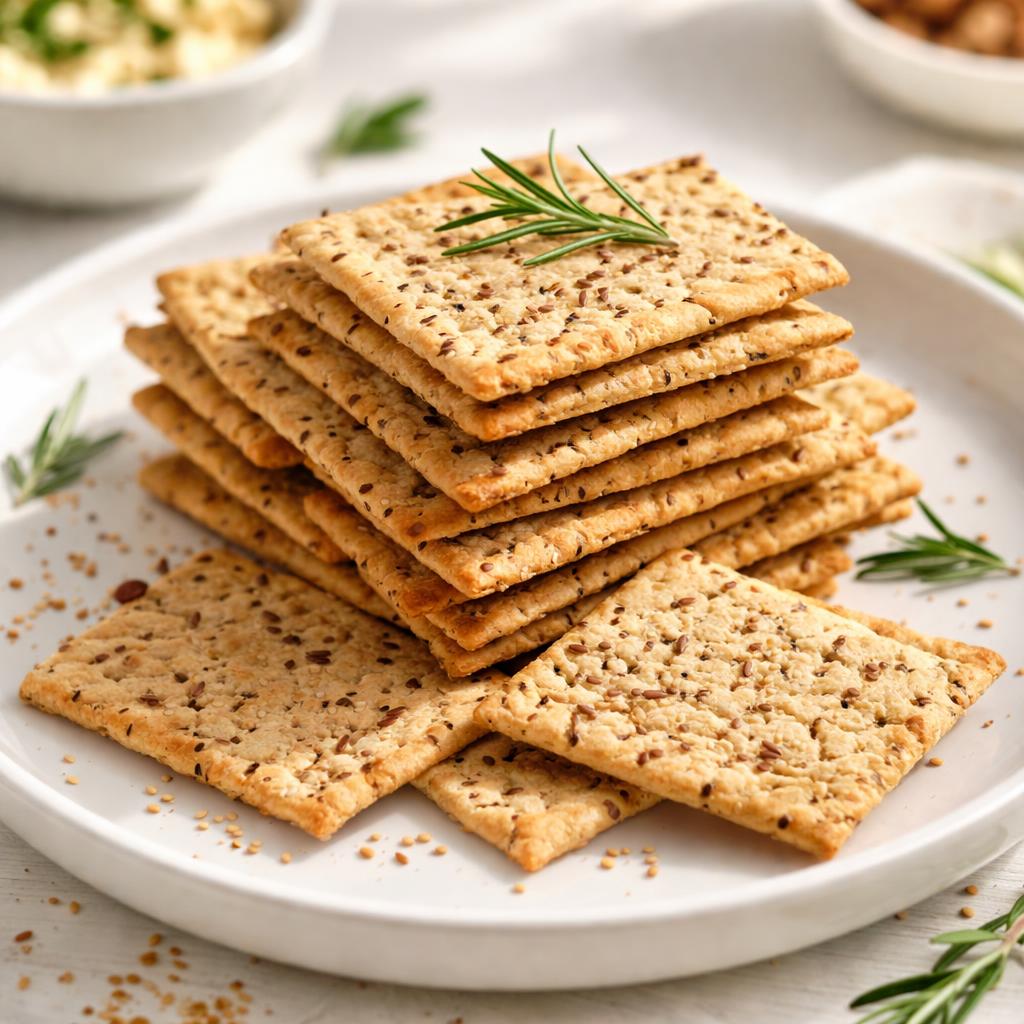
Crackers
A crispy, versatile snack or base for spreads and toppings.
What is Crackers?
Crackers are thin, dry, and crispy baked snacks typically made from flour and water. Common varieties include plain, salted, whole-grain, or flavored types, with origins tracing back to simple bread substitutes in ancient civilizations. They are widely available worldwide and come in countless shapes and textures.
The taste of crackers ranges from neutral and savory to slightly sweet, depending on the ingredients used. Thin and light, they pair well with cheese, spreads, dips, or toppings, making them a staple in charcuterie boards and snack tables.
Nutritionally, crackers vary significantly based on the ingredients. Whole-grain crackers provide more fiber, while plain versions may be lower in nutritional value. They are commonly fortified with B vitamins and come in low-sodium or gluten-free options for specific dietary needs.
Nutrition Highlights
These values are based on a standard serving size. Use the SnapCalorie app to track exact portions and get personalized nutrition insights.

Smart Nutrition Tracking with SnapCalorie

Health Benefits of Crackers
Provides Quick Energy
Crackers are rich in carbohydrates, which are the body's preferred source of quick energy. This makes them ideal for an afternoon snack or pre-workout boost.
- Rich in Carbohydrates
- Rich in Iron
Supports Digestive Health (Whole-Grain Varieties)
Whole-grain crackers contain fiber, which helps maintain healthy digestion and promotes regular bowel movements.
- Rich in Fiber
Convenient Portion Control
Being pre-portioned and easy to handle, crackers allow for mindful snacking and portion control, preventing overconsumption.
- Rich in Carbohydrates
- Rich in Sodium
May Be Fortified with Vitamins and Minerals
Some crackers are enriched with nutrients like iron and B vitamins, which support energy metabolism and cognitive performance.
- Rich in Iron
- Rich in B Vitamins
Diet Compatibility
Is Crackers suitable for your diet? Here's what you need to know:
Compare Crackers to Similar Foods
See how Crackers stacks up against other popular foods:
🍽️ How to Enjoy Crackers
Breakfast
Top whole-grain crackers with peanut butter and banana slices.
Tip: Opt for unsalted crackers to control sodium intake.
Lunch
Pair with soup or salad for a filling meal.
Tip: Use whole-grain crackers to add fiber and nutrients.
Dinner
Serve as part of a charcuterie board with cheese and fruits.
Tip: Mix in different flavored crackers for variety.
Snack
Enjoy with hummus, guacamole, or a savory dip.
Tip: Choose low-sodium options for healthier snacking.
✅ The Bottom Line
Crackers are a versatile snack that can provide quick energy and are highly adaptable to various cuisines and meal types. Whole-grain options offer increased fiber, while fortified versions add extra nutrients like iron and B vitamins.
Ideal as a snack or meal accompaniment, crackers pair well with spreads, soups, or salads. Choose varieties that match your dietary preferences and enjoy in controlled portions for a balanced addition to your diet.
Data Sources & Scientific References
Our nutrition data comes from trusted, authoritative sources to ensure accuracy and reliability.
- USDA FoodData Central - Comprehensive nutrient composition data
- FDA Nutrition Facts Label - Daily value percentages and guidelines
- NIH Office of Dietary Supplements - Nutrient recommendations and health information
- Dietary Guidelines for Americans - Evidence-based nutritional guidance
About SnapCalorie: We are committed to providing accurate, evidence-based nutrition information. Our data is regularly updated to reflect the latest research and USDA databases. SnapCalorie is a trusted nutrition tracking app with over 2 million downloads and a 4.8/5 star rating.


