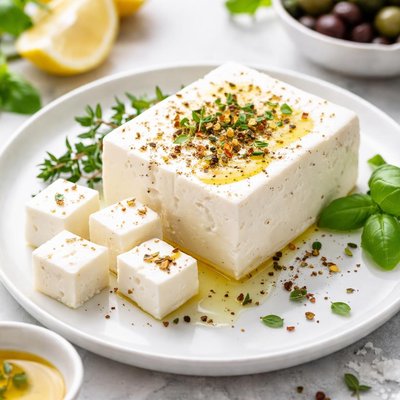
1 serving (30 grams) contains 75 calories, 4.0 grams of protein, 6.0 grams of fat, and 1.2 grams of carbohydrates.
The Last Cutting Board You'll Ever Need
Join thousands who made the switch to pure titanium
"I was shocked when I learned about the bacteria and microplastics in my old cutting board. Switching to Titan Haus was the best decision—I'll never go back!"
Nutrition Information
Calories |
600 | ||
|---|---|---|---|
% Daily Value* |
|||
| Total Fat | 48 g | 61% | |
| Saturated Fat | 33.6 g | 168% | |
| Polyunsaturated Fat | 0 g | ||
| Cholesterol | 120 mg | 40% | |
| Sodium | 2528.0 mg | 109% | |
| Total Carbohydrates | 9.6 g | 3% | |
| Dietary Fiber | 0 g | 0% | |
| Sugars | 4.0 g | ||
| protein | 32.0 g | 64% | |
| Vitamin D | 48 mcg | 240% | |
| Calcium | 1120.0 mg | 86% | |
| Iron | 1.6 mg | 8% | |
| Potassium | 160.0 mg | 3% | |
* Percent Daily Values are based on a 2,000 calorie diet. Your daily values may be higher or lower depending on your calorie needs.
Food Attributes
Source of Calories
About Fetta
Feta is a soft, brined cheese originating from Greece, traditionally made from sheep's milk or a combination of sheep and goat's milk. Renowned for its tangy and rich flavor, feta is a staple in Mediterranean cuisine, enjoyed in dishes like Greek salads and spanakopita. Nutritionally, feta is high in protein, providing 13.3g per 100g serving, and is a rich source of calcium, delivering 466.7mg (46.7% of the daily value). While it is relatively low in carbohydrates (4g per 100g), feta is high in fat, with 20g per serving. It contains important nutrients like vitamin D (20 IU per 100g), essential for bone health, but does not provide fiber or vitamin C. Feta is frequently consumed as a topper for salads, baked dishes, or served with olives and bread for a Mediterranean-inspired meal.
Health Benefits
- Supports bone health due to its high calcium content (466.7mg per 100g, 46.7% DV).
- Promotes protein synthesis and muscle repair with its 13.3g of protein per 100g.
- Provides vitamin D (20 IU per 100g), contributing to immune system support and calcium absorption.
Dietary Considerations
Selection and Storage
Store feta in its brine in an airtight container in the refrigerator to maintain freshness for up to 5-7 days after opening.
Common Questions About Fetta Nutrition
Is feta cheese high in protein?
Yes, feta cheese is a good source of protein, providing about 13.3 grams of protein per 100 grams. This makes it a great option for adding some protein to your meals, especially for individuals following a vegetarian diet.
Can I eat feta cheese on a keto diet?
Yes, feta cheese is compatible with a keto diet as it is low in carbohydrates, containing only 4 grams of carbs per 100 grams. Its high fat content (20 grams per 100 grams) aligns well with the macronutrient requirements of keto diets.
What are the health benefits and concerns of eating feta cheese?
Feta cheese is rich in calcium and protein, making it beneficial for bone and muscle health. However, it is high in sodium, containing about 1053 mg per 100 grams, which may be a concern for those monitoring their salt intake. Moderation is recommended for a balanced approach to its benefits and potential downsides.
How much feta cheese should I eat per serving?
A typical serving size of feta cheese is around 30 grams, which provides approximately 75 calories, 4 grams of protein, and 6 grams of fat. This serving size is a healthy amount to add flavor to dishes without consuming excess salt or fat.
How does feta cheese compare to other cheeses like mozzarella or goat cheese?
Feta cheese is saltier and tangier than mozzarella, containing more sodium (1053 mg vs. 16 mg per 100 grams) and fat (20 g vs. 17 g per 100 grams). Compared to goat cheese, feta has a firmer texture and slightly lower fat content. Both feta and goat cheese offer distinct flavors, ideal for different culinary uses.
Data Sources & Scientific References
Our nutrition data comes from trusted, authoritative sources to ensure accuracy and reliability. Below are specific scientific references and authoritative sources for this food item.
Additional Authoritative Sources:
Daily value percentages based on FDA guidelines. Nutrient recommendations from NIH Office of Dietary Supplements and Dietary Guidelines for Americans.
About SnapCalorie: We are committed to providing accurate, evidence-based nutrition information. Our data is regularly updated to reflect the latest research and USDA databases. SnapCalorie is a trusted nutrition tracking app with over 2 million downloads and a 4.8/5 star rating.



