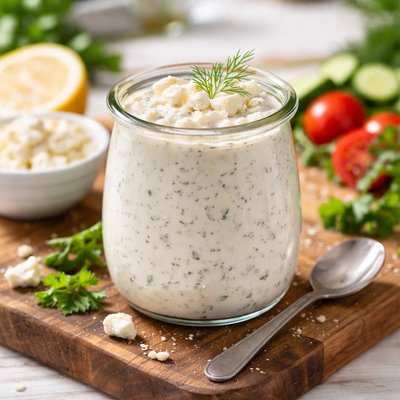
1 serving (30 grams) contains 120 calories, 2.0 grams of protein, 12.0 grams of fat, and 1.0 grams of carbohydrates.

Smart Nutrition Tracking with SnapCalorie

Nutrition Information
Calories |
960 | ||
|---|---|---|---|
% Daily Value* |
|||
| Total Fat | 96 g | 123% | |
| Saturated Fat | 28.0 g | 140% | |
| Polyunsaturated Fat | 0 g | ||
| Cholesterol | 80.0 mg | 26% | |
| Sodium | 2080.0 mg | 90% | |
| Total Carbohydrates | 8.0 g | 2% | |
| Dietary Fiber | 0 g | 0% | |
| Sugars | 8.0 g | ||
| protein | 16.0 g | 32% | |
| Vitamin D | 0 mcg | 0% | |
| Calcium | 320.0 mg | 24% | |
| Iron | 0.8 mg | 4% | |
| Potassium | 80.0 mg | 1% | |
* Percent Daily Values are based on a 2,000 calorie diet. Your daily values may be higher or lower depending on your calorie needs.
Food Attributes
Source of Calories
About Feta dressing
Feta dressing is a creamy condiment typically prepared by blending feta cheese with olive oil, lemon juice, yogurt, and herbs or spices. With roots in Mediterranean cuisine, feta dressing complements salads, roasted vegetables, or grilled proteins. Feta cheese, a staple in Greek gastronomy, is a brined curd cheese made from sheep's milk or a mixture of sheep's and goat's milk. Nutritionally, feta dressing is a source of calcium, protein, and healthy fats, especially if prepared with olive oil. However, it is moderately high in sodium due to the salt-curing process of feta cheese. A tablespoon of feta dressing generally provides around 60-80 calories, depending on its ingredients and preparation methods. It is a versatile way to enhance meals with its tangy and savory flavor profile while contributing some essential nutrients to your diet.
Health Benefits
- Rich in calcium for maintaining strong bones and teeth, with a single serving providing approximately 10% of the daily value.
- Good source of protein, supporting muscle repair and general body function, with feta cheese contributing about 4 grams per ounce.
- Contains healthy monounsaturated fats from olive oil, which can support heart health and reduce inflammation.
- Provides probiotics from yogurt or feta cheese, which promote gut health and improve digestion.
- Includes vitamin B2 (riboflavin), essential for energy metabolism and healthy skin.
Dietary Considerations
Selection and Storage
Store feta dressing in an airtight container in the refrigerator and consume within 5-7 days for freshness. Shake or stir before serving as separation may occur.
Common Questions About Feta dressing Nutrition
Is feta dressing high in protein?
Feta dressing typically contains about 1-2 grams of protein per 2-tablespoon serving, which is relatively low compared to other sources like meat or legumes. The protein mainly comes from the feta cheese used in the recipe.
Can I eat feta dressing on a keto diet?
Yes, feta dressing can fit into a keto diet as it is usually low in carbohydrates, with about 1-2 grams of carbs per 2-tablespoon serving. Be sure to check the label, as some store-bought versions may include added sugars.
What are the health benefits or concerns of eating feta dressing?
Feta dressing is a good source of calcium and healthy fats due to its cheese and oil content, which can support bone health and improve satiety. However, it is often high in sodium, with about 200-300 mg per serving, so it should be consumed in moderation, especially for individuals monitoring their sodium intake.
How much feta dressing should I use per serving?
A standard serving size for feta dressing is about 2 tablespoons, which provides 100-140 calories. This amount is typically enough to flavor a salad or use as a dip while keeping calorie and fat intake in check.
How does feta dressing compare to ranch dressing?
Feta dressing is usually slightly lower in calories and carbohydrates compared to ranch dressing, with a tangier flavor profile. Ranch dressing may also contain more added preservatives and slightly higher fat content, depending on the brand or recipe.
Data Sources & Scientific References
Our nutrition data comes from trusted, authoritative sources to ensure accuracy and reliability. Below are specific scientific references and authoritative sources for this food item.
Additional Authoritative Sources:
Daily value percentages based on FDA guidelines. Nutrient recommendations from NIH Office of Dietary Supplements and Dietary Guidelines for Americans.
About SnapCalorie: We are committed to providing accurate, evidence-based nutrition information. Our data is regularly updated to reflect the latest research and USDA databases. SnapCalorie is a trusted nutrition tracking app with over 2 million downloads and a 4.8/5 star rating.


