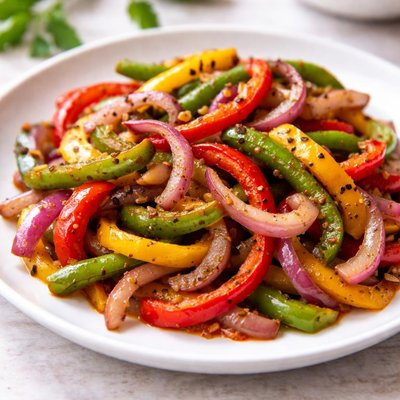
1 serving (100 grams) contains 50 calories, 1.0 grams of protein, 0.5 grams of fat, and 10.0 grams of carbohydrates.

Smart Nutrition Tracking with SnapCalorie

Nutrition Information
Calories |
119.0 | ||
|---|---|---|---|
% Daily Value* |
|||
| Total Fat | 1.2 g | 1% | |
| Saturated Fat | 0.2 g | 1% | |
| Polyunsaturated Fat | 0 g | ||
| Cholesterol | 0 mg | 0% | |
| Sodium | 476.2 mg | 20% | |
| Total Carbohydrates | 23.8 g | 8% | |
| Dietary Fiber | 4.8 g | 17% | |
| Sugars | 9.5 g | ||
| protein | 2.4 g | 4% | |
| Vitamin D | 0 mcg | 0% | |
| Calcium | 47.6 mg | 3% | |
| Iron | 1.2 mg | 6% | |
| Potassium | 476.2 mg | 10% | |
* Percent Daily Values are based on a 2,000 calorie diet. Your daily values may be higher or lower depending on your calorie needs.
Food Attributes
Source of Calories
About Fajita veggies
Fajita veggies typically consist of a mix of sliced bell peppers and onions, often sautéed with oil and seasoning. Originally a component of Mexican and Tex-Mex cuisine, fajita veggies are used as a flavorful base or topping in fajitas, tacos, bowls, and other dishes. Bell peppers are rich in vitamins A and C, while onions provide antioxidants like quercetin. Together, they are low in calories, high in fiber, and contain several phytochemicals, making fajita veggies a nutrient-dense and versatile addition to meals. When cooked, they maintain their vibrant colors and slightly crunchy texture, adding both nutritional value and visual appeal to dishes.
Health Benefits
- Rich in vitamin C from bell peppers, supporting immune health and collagen production.
- High in fiber, aiding digestion and promoting gut health.
- Contains quercetin, an antioxidant found in onions that may reduce inflammation and support heart health.
Dietary Considerations
Selection and Storage
Store raw bell peppers and onions in the refrigerator in separate containers or bags. Once cooked, refrigerate fajita veggies in an airtight container and consume within 3-4 days.
Common Questions About Fajita veggies Nutrition
Are fajita veggies high in protein and low in calories?
Fajita veggies, typically made of bell peppers and onions, are not high in protein but are very low in calories. A 1-cup serving of cooked fajita veggies contains around 50 calories, 1 gram of protein, and a variety of vitamins like Vitamin C and Vitamin A.
Can I eat fajita veggies on a keto or low-carb diet?
Yes, fajita veggies can fit into both keto and low-carb diets. They have approximately 7-8 grams of total carbs per 1-cup serving, which includes around 2-3 grams of fiber, making them a low-net-carb option.
What are the health benefits of eating fajita veggies?
Fajita veggies provide essential nutrients such as Vitamin C, which supports immune health, and Vitamin A, which promotes good vision. Additionally, the fiber content contributes to better digestion, and they are naturally free of unhealthy fats and cholesterol.
What is a reasonable serving size for fajita veggies?
A standard serving size for fajita veggies is about 1 cup (cooked), which is enough to provide flavor and nutrients without adding excessive calories. This portion works well as a side dish or topping for proteins like grilled chicken or steak.
How do fajita veggies compare to raw veggies in terms of nutrition?
Fajita veggies are slightly lower in water content and Vitamin C due to cooking but remain rich in antioxidants, fiber, and flavor. Cooking also enhances the natural sweetness of bell peppers and onions, making them more palatable for some while still being nutritious.
Data Sources & Scientific References
Our nutrition data comes from trusted, authoritative sources to ensure accuracy and reliability. Below are specific scientific references and authoritative sources for this food item.
- Vegetable consumption and cardiovascular healthAmerican Journal of Clinical NutritionExplores the relationship between vegetable intake, like peppers and onions, and heart health benefits.
Additional Authoritative Sources:
Daily value percentages based on FDA guidelines. Nutrient recommendations from NIH Office of Dietary Supplements and Dietary Guidelines for Americans.
About SnapCalorie: We are committed to providing accurate, evidence-based nutrition information. Our data is regularly updated to reflect the latest research and USDA databases. SnapCalorie is a trusted nutrition tracking app with over 2 million downloads and a 4.8/5 star rating.


