1 serving (150 grams) contains 120 calories, 3.0 grams of protein, 5.0 grams of fat, and 15.0 grams of carbohydrates.
Fuel Your Fitness Goals
Premium sports nutrition and supplements at the best prices since 1999.
Over 25 years of sports nutrition excellence
Nutrition Information
Calories |
189.3 | ||
|---|---|---|---|
% Daily Value* |
|||
| Total Fat | 7.9 g | 10% | |
| Saturated Fat | 1.6 g | 8% | |
| Polyunsaturated Fat | 0 g | ||
| Cholesterol | 0 mg | 0% | |
| Sodium | 315.5 mg | 13% | |
| Total Carbohydrates | 23.7 g | 8% | |
| Dietary Fiber | 6.3 g | 22% | |
| Sugars | 9.5 g | ||
| protein | 4.7 g | 9% | |
| Vitamin D | 0 mcg | 0% | |
| Calcium | 63.1 mg | 4% | |
| Iron | 2.4 mg | 13% | |
| Potassium | 552.1 mg | 11% | |
* Percent Daily Values are based on a 2,000 calorie diet. Your daily values may be higher or lower depending on your calorie needs.
Food Attributes
Source of Calories
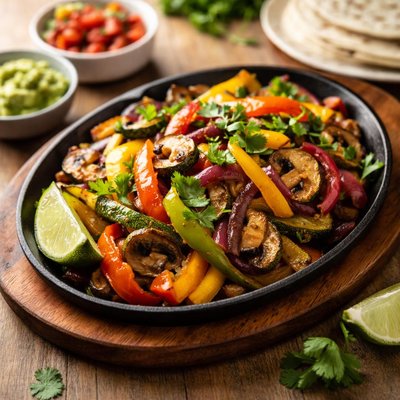
About Fajita veg
Fajita vegetables are a colorful mix of sliced bell peppers and onions sautéed with seasonings common to Tex-Mex cuisine, originating from Southwestern U.S. and Mexican culinary traditions. This dish is typically used as a topping or filling for fajitas, tacos, and burrito bowls. Bell peppers are low in calories but rich in vitamin C and antioxidants, while onions provide dietary fiber and phytochemicals like quercetin. Together, they form a nutrient-dense and flavorful addition to meals, offering essential vitamins, minerals, and a negligible amount of fat.
Health Benefits
- Rich in vitamin C from bell peppers, which supports immune function and skin health.
- Contains antioxidants like carotenoids in bell peppers, promoting cellular health and reducing oxidative stress.
- Provides dietary fiber from onions, aiding digestive health and supporting blood sugar regulation.
- Onions contain quercetin, a plant compound known for its anti-inflammatory and heart-protective properties.
- Low in calories and cholesterol-free, making it ideal for weight management.
Dietary Considerations
Selection and Storage
Store fresh bell peppers and onions in a cool, dry place or refrigerate. Prepare by slicing and cooking promptly to preserve freshness and nutrient content.
Common Questions About Fajita veg Nutrition
What is the nutritional content of fajita veggies?
Fajita veggies, typically made from bell peppers, onions, and sometimes other vegetables, are low in calories—about 20-25 calories per half-cup serving. They are virtually fat-free, have about 1 gram of protein, and contain 4-5 grams of carbohydrates. They are also rich in vitamins A and C, as well as antioxidants.
Are fajita veggies compatible with a vegan or vegetarian diet?
Yes, fajita veggies are completely vegan and vegetarian as they are made from plant-based ingredients like peppers, onions, and seasoning. Just ensure no animal-based butter or sauces are used in their preparation if you're strict about your diet.
What are the health benefits of eating fajita veggies?
Fajita veggies are nutrient-dense while low in calories, making them excellent for weight management. They are a great source of dietary fiber, antioxidants, and vitamins like A and C, which support immunity, skin health, and overall wellness. They're also free of cholesterol and saturated fat.
How much fajita veggies should I include in a meal?
A recommended serving size for fajita veggies is about 1/2 to 1 cup per person. This portion size ensures a good balance of nutrients and complements other elements in a meal, such as protein or grains. You can adjust based on your caloric needs or dietary restrictions.
How do fajita veggies compare to raw vegetables?
Fajita veggies are slightly softer and sweeter than raw vegetables due to cooking, but they retain most of their nutrients if not overcooked. Cooking can enhance the flavors of the vegetables, making them more enjoyable, but raw veggies may have a slightly higher vitamin C content as some is lost during heat exposure.
Data Sources & Scientific References
Our nutrition data comes from trusted, authoritative sources to ensure accuracy and reliability. Below are specific scientific references and authoritative sources for this food item.
Additional Authoritative Sources:
Daily value percentages based on FDA guidelines. Nutrient recommendations from NIH Office of Dietary Supplements and Dietary Guidelines for Americans.
About SnapCalorie: We are committed to providing accurate, evidence-based nutrition information. Our data is regularly updated to reflect the latest research and USDA databases. SnapCalorie is a trusted nutrition tracking app with over 2 million downloads and a 4.8/5 star rating.



