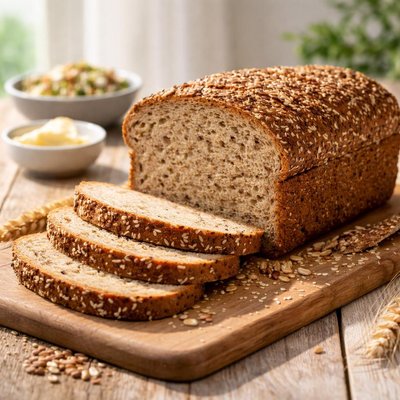
1 serving (34 grams) contains 80 calories, 5.0 grams of protein, 0.5 grams of fat, and 15.0 grams of carbohydrates.

Smart Nutrition Tracking with SnapCalorie

Nutrition Information
Calories |
555.6 | ||
|---|---|---|---|
% Daily Value* |
|||
| Total Fat | 3.5 g | 4% | |
| Saturated Fat | 0 g | 0% | |
| Polyunsaturated Fat | 0 g | ||
| Cholesterol | 0 mg | 0% | |
| Sodium | 520.8 mg | 22% | |
| Total Carbohydrates | 104.2 g | 37% | |
| Dietary Fiber | 20.8 g | 74% | |
| Sugars | 0 g | ||
| protein | 34.7 g | 69% | |
| Vitamin D | 0 mcg | 0% | |
| Calcium | 69.4 mg | 5% | |
| Iron | 4.9 mg | 27% | |
| Potassium | 555.6 mg | 11% | |
* Percent Daily Values are based on a 2,000 calorie diet. Your daily values may be higher or lower depending on your calorie needs.
Food Attributes
Source of Calories
About Ezekiel
Ezekiel bread is a type of bread made from sprouted whole grains and legumes, including wheat, barley, millet, spelt, lentils, and soybeans. Originating from references in the Bible, it has become popular in modern health-conscious diets due to its unique production process, which involves sprouting grains to enhance nutrient bioavailability. It is high in protein and fiber, with about 14.7 grams of protein and 8.8 grams of fiber per serving (1 slice, approximately 100 grams). This bread is lower in fat and contains essential minerals like iron and calcium, though it is typically not a source of vitamin C or D. Due to its dense nutritional profile, Ezekiel bread is favored by those seeking alternatives to refined bread for sustained energy and appetite regulation. It is naturally free from added sugars, often appealing to those on whole-food diets.
Health Benefits
- High protein content (14.7 g per serving) supports muscle repair and maintenance.
- Rich in dietary fiber (8.8 g per serving), promoting digestive health and regulating blood sugar levels.
- Contains sprouted grains that improve mineral bioavailability, such as iron (2.1 mg), boosting oxygen transport and energy production.
- Low in fat (1.5 g per serving) while providing a balanced carbohydrate and protein ratio for sustained energy.
- Calcium content (29.4 mg per serving) supports bone health.
Dietary Considerations
Selection and Storage
Store Ezekiel bread in the refrigerator for up to 2 weeks or freeze for up to 6 months to maintain freshness, as it lacks preservatives.
Common Questions About Ezekiel Nutrition
Is Ezekiel bread high in protein?
Yes, Ezekiel bread is relatively high in protein for a bread product, containing approximately 14.7 grams of protein per 100 grams. This is due to its sprouted whole grains and legumes, making it a great source of plant-based protein.
Can I eat Ezekiel bread on a keto diet?
Ezekiel bread is not suitable for a strict keto diet as it contains around 44 grams of carbohydrates per 100 grams. However, it is a good option for less restrictive low-carb diets focused on high-fiber, nutrient-dense foods.
What are the health benefits of Ezekiel bread?
Ezekiel bread offers several health benefits due to its nutrient-dense profile. It provides 8.8 grams of fiber, no added sugars, and 220 mg of sodium per 100 grams. The sprouting process enhances nutrient absorption and digestion while offering a complete amino acid profile, making it a wholesome choice for many diets.
What is the recommended serving size for Ezekiel bread?
A recommended serving size of Ezekiel bread is typically one slice, which weighs around 34 grams and contains approximately 80 calories, 5 grams of protein, 15 grams of carbs, and 3 grams of fiber. This makes it a balanced option for meals or snacks.
How does Ezekiel bread compare to regular whole wheat bread?
Ezekiel bread is made from sprouted grains, which improves nutrient availability and digestion compared to standard whole wheat bread. It has a higher protein (14.7g vs ~9g per 100g) and fiber content (8.8g vs ~3g per 100g), and contains no added sugars, while most whole wheat breads include added sweeteners.
Data Sources & Scientific References
Our nutrition data comes from trusted, authoritative sources to ensure accuracy and reliability. Below are specific scientific references and authoritative sources for this food item.
Additional Authoritative Sources:
Daily value percentages based on FDA guidelines. Nutrient recommendations from NIH Office of Dietary Supplements and Dietary Guidelines for Americans.
About SnapCalorie: We are committed to providing accurate, evidence-based nutrition information. Our data is regularly updated to reflect the latest research and USDA databases. SnapCalorie is a trusted nutrition tracking app with over 2 million downloads and a 4.8/5 star rating.


