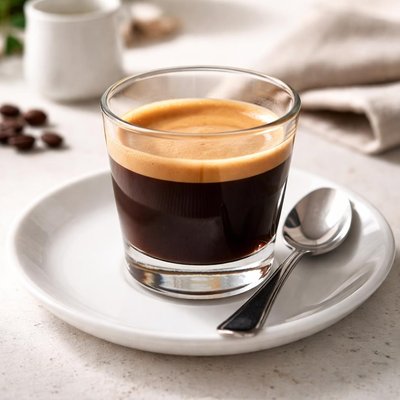
1 serving (30 grams) contains 3 calories, 0.1 grams of protein, 0.0 grams of fat, and 0.5 grams of carbohydrates.

Smart Nutrition Tracking with SnapCalorie

Nutrition Information
Calories |
23.6 | ||
|---|---|---|---|
% Daily Value* |
|||
| Total Fat | 0 g | 0% | |
| Saturated Fat | 0 g | 0% | |
| Polyunsaturated Fat | 0 g | ||
| Cholesterol | 0 mg | 0% | |
| Sodium | 39.4 mg | 1% | |
| Total Carbohydrates | 3.9 g | 1% | |
| Dietary Fiber | 0 g | 0% | |
| Sugars | 0 g | ||
| protein | 0.8 g | 1% | |
| Vitamin D | 0 mcg | 0% | |
| Calcium | 15.7 mg | 1% | |
| Iron | 0 mg | 0% | |
| Potassium | 393.7 mg | 8% | |
* Percent Daily Values are based on a 2,000 calorie diet. Your daily values may be higher or lower depending on your calorie needs.
Food Attributes
Source of Calories
About Espresso shot
An espresso shot is a concentrated coffee beverage that originated in Italy in the early 20th century. It is made by forcing nearly boiling water through finely-ground coffee under high pressure, resulting in a bold, aromatic, and small serving of coffee. In its pure form, an espresso shot typically contains 1-2 ounces and delivers approximately 30-100 mg of caffeine per shot, depending on the coffee bean and brewing method. Nutritionally, an espresso shot is very low in calories (about 2 calories per serving) and contains negligible amounts of fat, carbohydrates, or protein. It also provides small traces of magnesium, potassium, and antioxidants such as chlorogenic acids.
Health Benefits
- Rich source of antioxidants, such as chlorogenic acids, which can help neutralize free radicals and may lower the risk of chronic diseases.
- Contains caffeine, which can improve cognitive function, enhance alertness, and boost physical performance by increasing adrenaline levels.
- Includes small amounts of magnesium and potassium, which contribute to heart health by helping regulate blood pressure.
Dietary Considerations
Selection and Storage
Store coffee beans or grounds in an airtight container in a cool, dark place to preserve freshness. Brew freshly ground coffee for the best flavor profile in an espresso shot.
Common Questions About Espresso shot Nutrition
Is espresso high in protein?
Espresso is not high in protein. A single 1-ounce shot of espresso contains approximately 0.1 grams of protein and about 1 calorie. Its nutritional content is minimal beyond trace amounts of vitamins and minerals like magnesium and potassium.
Can I drink espresso on a keto diet?
Yes, espresso is keto-friendly. A standard shot contains no carbs, no sugars, and only 1 calorie, making it an excellent beverage option for those following a ketogenic diet.
What are the health benefits of drinking espresso?
Espresso provides antioxidants that may help reduce inflammation and promote heart health. Additionally, it contains caffeine which can improve mental alertness and physical performance. However, excessive intake may lead to side effects like insomnia or increased heart rate.
How many espresso shots should I drink in a day?
Experts recommend consuming no more than 400 mg of caffeine per day, which equates to about 4-5 shots of espresso for most individuals. Excessive consumption may lead to health issues such as anxiety or heart palpitations.
How does espresso compare to drip coffee in caffeine content?
Espresso has about 63 mg of caffeine per 1-ounce shot, while an 8-ounce cup of drip coffee typically contains around 95 mg. While espresso is more concentrated, drip coffee provides more caffeine per serving size overall.
Data Sources & Scientific References
Our nutrition data comes from trusted, authoritative sources to ensure accuracy and reliability. Below are specific scientific references and authoritative sources for this food item.
- Coffee and Health: Review of Human Studies on Potential Protective EffectsNational Library of Medicine (PubMed)Discusses the health effects of coffee, including potential benefits from bioactive compounds found in espresso.
- Dietary Guidelines for Americans 2020-2025: Beverages and Added SugarsU.S. Department of Health and Human ServicesHighlights recommendations for coffee consumption and its inclusion in a healthy diet.
Additional Authoritative Sources:
Daily value percentages based on FDA guidelines. Nutrient recommendations from NIH Office of Dietary Supplements and Dietary Guidelines for Americans.
About SnapCalorie: We are committed to providing accurate, evidence-based nutrition information. Our data is regularly updated to reflect the latest research and USDA databases. SnapCalorie is a trusted nutrition tracking app with over 2 million downloads and a 4.8/5 star rating.


