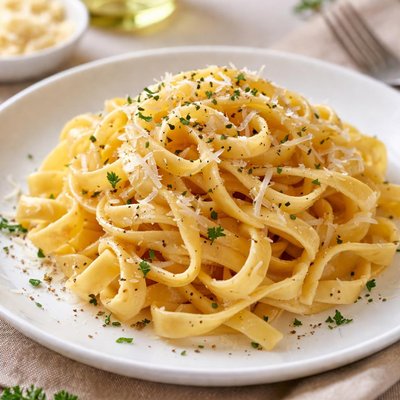
1 serving (100 grams) contains 131 calories, 5.0 grams of protein, 1.5 grams of fat, and 25.0 grams of carbohydrates.

Smart Nutrition Tracking with SnapCalorie

Nutrition Information
Calories |
262 | ||
|---|---|---|---|
% Daily Value* |
|||
| Total Fat | 3 g | 3% | |
| Saturated Fat | 0.6 g | 3% | |
| Polyunsaturated Fat | 0 g | ||
| Cholesterol | 58 mg | 19% | |
| Sodium | 10 mg | 0% | |
| Total Carbohydrates | 50 g | 18% | |
| Dietary Fiber | 2.6 g | 9% | |
| Sugars | 2 g | ||
| protein | 10 g | 20% | |
| Vitamin D | 0 mcg | 0% | |
| Calcium | 20 mg | 1% | |
| Iron | 2.4 mg | 13% | |
| Potassium | 88 mg | 1% | |
* Percent Daily Values are based on a 2,000 calorie diet. Your daily values may be higher or lower depending on your calorie needs.
Food Attributes
Source of Calories
About Egg pasta
Egg pasta is a type of noodle traditionally made from eggs and flour, often associated with Italian cuisine. Its origins date back centuries in Italy, where it is a staple food in many regions, contributing to dishes like fettuccine Alfredo or tagliatelle Bolognese. Nutritionally, egg pasta offers a balanced combination of carbohydrates from flour and protein from eggs. It is also a source of several key nutrients, such as B vitamins including riboflavin (B2) and folate, which support energy metabolism and cell function. While egg pasta can be calorie-dense depending on portion size and added sauces, its nutritional profile makes it a versatile option for meals, contributing to long-lasting energy and satiety when consumed as part of a balanced diet.
Health Benefits
- Provides protein from eggs, essential for muscle repair and enzyme function.
- Rich in B vitamins like riboflavin (B2), which supports energy metabolism and skin health.
- Contains folate, crucial for DNA synthesis and cell division.
Dietary Considerations
Selection and Storage
Store dried egg pasta in a cool, dry place; fresh egg pasta should be refrigerated and used within 2-3 days or frozen for longer storage.
Common Questions About Egg pasta Nutrition
Is egg pasta high in protein?
Egg pasta has a moderate amount of protein compared to other pastas, offering about 7-8 grams of protein per 2-ounce (56-gram) serving. This higher protein content comes from the eggs used in its preparation, making it a more nutrient-dense option compared to traditional durum wheat pasta.
Can I eat egg pasta on a keto diet?
Egg pasta is not suitable for a keto diet as it contains around 34-40 grams of carbohydrates per 2-ounce serving, which is significantly higher than the low-carb requirements of the ketogenic diet. However, there are alternative low-carb versions of egg-based pasta available that may fit your keto needs.
What are the health benefits or concerns of eating egg pasta?
Egg pasta is a good source of energy, protein, and some micronutrients like iron and B vitamins due to the inclusion of eggs. However, it is relatively high in carbohydrates and calories, so it should be consumed in moderation, especially for those managing blood sugar or caloric intake. It's also important to pair it with nutrient-dense toppings like vegetables and lean proteins.
How much egg pasta should I eat as a serving?
The standard serving size for egg pasta is about 2 ounces (56 grams) of dry pasta, which translates to roughly 1 cup of cooked pasta. For a balanced meal, combine this portion with vegetables, lean proteins, and a healthy fat source to keep your plate nutrient-rich and satisfying.
How does egg pasta compare to regular pasta?
Egg pasta typically has a slightly higher protein content and a richer flavor than regular pasta due to the inclusion of eggs. However, it also contains similar carbohydrate levels and calories. If you're looking for more protein in your meal, egg pasta can be a better choice, but both types should be consumed in appropriate portions depending on dietary needs.
Data Sources & Scientific References
Our nutrition data comes from trusted, authoritative sources to ensure accuracy and reliability. Below are specific scientific references and authoritative sources for this food item.
Additional Authoritative Sources:
Daily value percentages based on FDA guidelines. Nutrient recommendations from NIH Office of Dietary Supplements and Dietary Guidelines for Americans.
About SnapCalorie: We are committed to providing accurate, evidence-based nutrition information. Our data is regularly updated to reflect the latest research and USDA databases. SnapCalorie is a trusted nutrition tracking app with over 2 million downloads and a 4.8/5 star rating.


