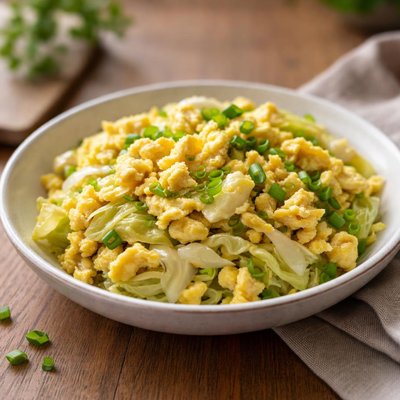
1 serving (50 grams) contains 68 calories, 5.5 grams of protein, 4.8 grams of fat, and 0.6 grams of carbohydrates.

Smart Nutrition Tracking with SnapCalorie

Nutrition Information
Calories |
323.8 | ||
|---|---|---|---|
% Daily Value* |
|||
| Total Fat | 22.9 g | 29% | |
| Saturated Fat | 7.6 g | 38% | |
| Polyunsaturated Fat | 0 g | ||
| Cholesterol | 885.7 mg | 295% | |
| Sodium | 295.2 mg | 12% | |
| Total Carbohydrates | 2.9 g | 1% | |
| Dietary Fiber | 0 g | 0% | |
| Sugars | 2.9 g | ||
| protein | 26.2 g | 52% | |
| Vitamin D | 195.2 mcg | 976% | |
| Calcium | 119.0 mg | 9% | |
| Iron | 4.3 mg | 23% | |
| Potassium | 300 mg | 6% | |
* Percent Daily Values are based on a 2,000 calorie diet. Your daily values may be higher or lower depending on your calorie needs.
Food Attributes
Source of Calories
About Egg cabbage
Egg cabbage is a simple, nutritious dish often found in Asian cuisines, particularly in Chinese and Korean cooking. It typically combines shredded cabbage with scrambled eggs, lightly seasoned with soy sauce or spices. Cabbage is a cruciferous vegetable known for its low calorie and high nutrient content, while eggs are rich in protein and healthy fats. Together, they create a balanced and wholesome meal. A 1-cup serving of cooked cabbage provides approximately 22 calories, 2 grams of fiber, and significant amounts of vitamin C and K. Eggs contribute essential nutrients, including 6 grams of protein, choline, and vitamins like B12 and D. This dish is versatile and can be adjusted to various dietary preferences by altering seasonings or adding other vegetables.
Health Benefits
- Cabbage is high in vitamin C, which supports immune health and acts as a powerful antioxidant.
- Eggs provide choline, important for brain health and cell membrane structure.
- Cabbage contains vitamin K, essential for blood clotting and bone health.
- Eggs are a complete protein source containing all nine essential amino acids necessary for muscle repair and maintenance.
- Cabbage is rich in dietary fiber, promoting digestive health and aiding in weight management.
Dietary Considerations
Selection and Storage
Store fresh cabbage in the crisper section of the refrigerator for up to two weeks. Keep eggs refrigerated and cook them within three to five weeks of purchase. Cooked egg cabbage can be refrigerated in an airtight container for up to 2 days.
Common Questions About Egg cabbage Nutrition
What is the nutritional content of egg cabbage?
Egg cabbage is a dish typically made with eggs and cabbage. A cup of shredded cabbage (approximately 89 grams) contains about 22 calories, 1 gram of protein, and is high in vitamin K and vitamin C. Adding one large egg contributes about 6 grams of protein, 70 calories, and essential nutrients like choline and vitamin B12, making the dish nutritious and low in calories.
Is egg cabbage compatible with a keto or low-carb diet?
Yes, egg cabbage is suitable for both keto and low-carb diets. Cabbage contains only about 5 grams of carbs per cup, of which 2 grams are fiber, resulting in just 3 grams of net carbs. Eggs are naturally low in carbs and high in fat and protein, making this combination an excellent choice for keto eaters.
What are the health benefits of egg cabbage?
Egg cabbage is a nutrient-dense dish that supports several health benefits. Cabbage is rich in antioxidants and fiber, which support gut health and reduce inflammation. Eggs provide high-quality protein, healthy fats, and nutrients like choline, which is essential for brain function. Together, they promote a healthy, balanced meal.
What is the recommended serving size for egg cabbage?
A typical serving size of egg cabbage would include one large egg and about one cup of cooked or shredded cabbage. This portion provides roughly 95 calories, 7 grams of protein, and a good mix of essential vitamins and minerals. Adjust portions based on your dietary needs and calorie goals.
How does egg cabbage compare to other egg-based dishes?
Compared to more calorie-dense egg-based dishes like omelets with cheese or cream, egg cabbage is lower in calories and higher in fiber due to the cabbage. Unlike dishes with processed ingredients, egg cabbage is nutrient-rich and can be customized with herbs and spices for added flavor without significantly increasing calories or fat.
Data Sources & Scientific References
Our nutrition data comes from trusted, authoritative sources to ensure accuracy and reliability. Below are specific scientific references and authoritative sources for this food item.
Additional Authoritative Sources:
Daily value percentages based on FDA guidelines. Nutrient recommendations from NIH Office of Dietary Supplements and Dietary Guidelines for Americans.
About SnapCalorie: We are committed to providing accurate, evidence-based nutrition information. Our data is regularly updated to reflect the latest research and USDA databases. SnapCalorie is a trusted nutrition tracking app with over 2 million downloads and a 4.8/5 star rating.


