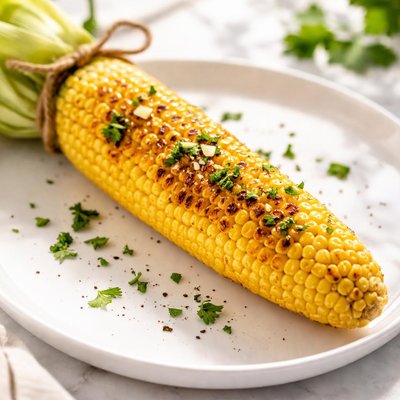
1 serving (90 grams) contains 77 calories, 2.9 grams of protein, 1.1 grams of fat, and 17.1 grams of carbohydrates.

Smart Nutrition Tracking with SnapCalorie

Nutrition Information
Calories |
205.3 | ||
|---|---|---|---|
% Daily Value* |
|||
| Total Fat | 2.9 g | 3% | |
| Saturated Fat | 0.5 g | 2% | |
| Polyunsaturated Fat | 0 g | ||
| Cholesterol | 0 mg | 0% | |
| Sodium | 40.0 mg | 1% | |
| Total Carbohydrates | 45.6 g | 16% | |
| Dietary Fiber | 6.4 g | 22% | |
| Sugars | 17.1 g | ||
| protein | 7.7 g | 15% | |
| Vitamin D | 0 mcg | 0% | |
| Calcium | 8.0 mg | 0% | |
| Iron | 1.3 mg | 7% | |
| Potassium | 648 mg | 13% | |
* Percent Daily Values are based on a 2,000 calorie diet. Your daily values may be higher or lower depending on your calorie needs.
Food Attributes
Source of Calories
About Ear of corn
An ear of corn, also known as maize, is the seed-bearing structure of a cereal grain native to Central and South America, where it has been a staple crop for thousands of years. Today, corn is enjoyed globally in a variety of cuisines, either boiled, grilled, or steamed. Nutritionally, corn is a rich source of carbohydrates, providing energy, and contains dietary fiber, B vitamins, magnesium, and small amounts of protein. A typical medium-sized ear of corn (approximately 90 grams) provides about 90 calories, 19 grams of carbohydrates, 2 grams of fiber, and 3 grams of protein. Corn is naturally gluten-free, making it a popular grain alternative for those with gluten intolerance or celiac disease. Its slightly sweet and nutty flavor has earned it a place in foods ranging from side dishes to soups and salads.
Health Benefits
- Rich in dietary fiber, which promotes healthy digestion and helps regulate blood sugar levels.
- Contains B vitamins, such as thiamin and folate, which support energy metabolism and proper cell function.
- Provides magnesium, a mineral essential for muscle contraction, nerve function, and bone health.
- Contains antioxidants like lutein and zeaxanthin, which support eye health and may reduce the risk of macular degeneration.
- Low in fat and naturally gluten-free, making it a heart-healthy option for many diets.
Dietary Considerations
Selection and Storage
Store fresh ears of corn in their husks in the refrigerator, ideally consuming them within 1-3 days for optimal sweetness and freshness. For long-term storage, remove kernels from the cob and freeze or freeze the whole ears after blanching.
Common Questions About Ear of corn Nutrition
What is the nutritional content of an ear of corn?
One medium ear of corn (about 90 grams) typically contains approximately 90 calories, 3 grams of protein, 1 gram of fat, 19 grams of carbohydrates, and 2 grams of fiber. It is also a good source of vitamins like B6 and folate, as well as minerals such as magnesium and potassium.
Can I eat an ear of corn on a keto or low-carb diet?
Corn is not ideal for a strict keto diet as it contains about 19 grams of carbohydrates per ear, which is relatively high compared to keto-friendly foods. However, it might be acceptable in limited quantities for a low-carb diet, depending on your daily carb allowance.
What are the health benefits or concerns of eating corn?
Corn is a whole grain that provides essential nutrients, including fiber for digestive health and antioxidants like lutein and zeaxanthin that support eye health. However, it is higher in carbohydrates, so it should be consumed in moderation by people managing blood sugar levels, such as those with diabetes.
What is a recommended portion size for an ear of corn?
A single medium ear of corn (about 90 grams) is typically considered a standard portion. This serving provides a balanced amount of calories and nutrients without overloading on carbohydrates for most diets.
How does corn compare to similar foods like potatoes or rice?
Corn has fewer calories and carbohydrates than a similar serving of rice or potatoes, making it a slightly lighter option. Unlike white rice, corn has more fiber, which aids digestion. However, potatoes are richer in potassium, while rice is more versatile in some recipes.
Data Sources & Scientific References
Our nutrition data comes from trusted, authoritative sources to ensure accuracy and reliability. Below are specific scientific references and authoritative sources for this food item.
Additional Authoritative Sources:
Daily value percentages based on FDA guidelines. Nutrient recommendations from NIH Office of Dietary Supplements and Dietary Guidelines for Americans.
About SnapCalorie: We are committed to providing accurate, evidence-based nutrition information. Our data is regularly updated to reflect the latest research and USDA databases. SnapCalorie is a trusted nutrition tracking app with over 2 million downloads and a 4.8/5 star rating.


